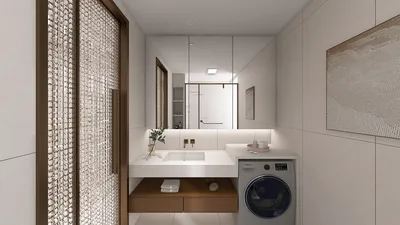


For years, I have incorporated LED strip lighting into homes, studios, and hospitality environments, and the impact is instantly recognizable: streamlined sightlines, multi-layered illumination, and an enhanced atmosphere. The secret lies in using strip lights both as functional aids and visual markers—hidden, dimmed, and colored specifically to suit the intended purpose of each room. With tools like Homestyler, creating these effective lighting designs can be even simpler.
Effective lighting should never be left to chance. The Illuminating Engineering Society (IES) suggests a brightness level of 200–500 lux for living spaces, with kitchens and home offices requiring up to 300–500 lux for tasks that demand precision. The WELL Building Standard emphasizes the importance of glare management, flicker reduction, and adjustable lighting for comfort and circadian rhythm support. These guidelines ensure that LED strip lights serve their purpose far beyond mere aesthetics; they’re crucial for achieving optimal brightness and minimizing eye strain.
User behavior is also a critical factor. According to research from Steelcase, different work modes—such as focus, collaboration, and relaxation—thrive in adaptable environments. Implementing this concept at home means utilizing dimmable, zoned LED strips for seamless transitions: bright, neutral white for concentration; warm light for unwinding; and vibrant colors for social gatherings. I utilize designing with lighting scenes built into my layout, allowing spaces to transition effortlessly, a practice that can be greatly enhanced using design tools like Homestyler.
Layering Your Living Room with Intention
Begin with smart architectural design: conceal strips in coves, beneath floating shelves, and around media walls to create a soft glow that eliminates the visible light source. Use a primary ambient layer of 2700–3000K for evening relaxation, then supplement it with a neutral 3500–4000K strip positioned behind the TV for bias lighting, which helps prevent eye fatigue. Strive for a baseline of 200–300 lux, and enhance it with table lamps or wall washers to achieve the required brightness when reading.
Refined Kitchen Lighting Without Harshness
Under-cabinet LED strip lighting transforms countertops into bright, shadow-free workspaces. Position them at the cabinet’s front edge to minimize glare and ensure even light distribution. Opt for high CRI (90+) lights in the 3500–4000K range to accurately render colors of ingredients. I often include toe-kick strips on a separate circuit for nighttime visibility, maintaining brightness below 100 lux to avoid disrupting sleep.
Bedroom Ambiance with Circadian Consideration
Employ warm strips (2700K or lower) for cove lighting around headboards and under-bed fixtures. Keep the bedroom’s ambient lighting subtle—between 50–150 lux—and allow for independent control of bedside and wardrobe lights. An indirect strip placed above curtain pockets can offer a hotel-like comfort while avoiding glare on pillows. When using RGB lighting, dial back the saturation; soft pastel tones are more conducive to rest than vivid colors.
Home Office: Prioritize Focus, Then Mood
Glare control and visual contrast are vital in a home office setting. A diffused LED strip positioned behind monitors can produce a balanced glow, mitigating eye strain by countering screen brightness. Maintain a neutral color temperature (3500–4000K) and aim for 300–500 lux across the workspace. For video calls, a soft frontal strip diffused through a panel creates flattering illumination without hotspots.
Hallways and Stairs: Merging Safety with Style
Low-profile strips on handrails or beneath stair treads provide safe navigation and a sleek, modern appearance at night. Incorporating motion sensors can further enhance energy efficiency. I prefer a color temperature of 3000K here, with dimming options set to 10–20% after bedtime. Ensure wiring is accessible along the stringer or rail for easy maintenance.
Bathe Your Bathroom in Soft Light
Install LED strips behind mirrors or in medicine cabinets for even, shadow-free facial illumination. Avoid positioning strips at extreme angles to prevent under-eye shadows. A CRI of 90+ with a 3500K output is ideal for grooming tasks. For a spa-like ambiance, consider low-output strips placed under floating vanities or in recessed niches. Always verify that the strips align with the appropriate IP ratings for damp areas and utilize suitable drivers.
Creating Eye-Catching Ceiling Features: Coves, Clouds, and Floating Planes
Employ cove lighting along dropped ceilings to soften the overall room aesthetic, while a central ceiling cloud with inward-facing strips creates a soft, luminous effect. Ensure high-quality diffusers are utilized; low-quality lenses can lead to unsightly hot spots. As rooms evolve, consider using interior layout planners like Homestyler to effectively test sightlines and brightness distributions.
Understanding Color Psychology: The Message Behind Your LED Selection
Warm white (2700–3000K) fosters a cozy environment; neutral white (3500–4000K) aids in maintaining focus and balanced contrast; cool white (5000K+) comes off as clinical and is best reserved for garages or utility areas. When using RGB, opt for low saturation and choose colors that reflect the space's purpose: soft amber for relaxation, muted blues for tranquility, and gentle greens for freshness. High CRI is crucial, especially in kitchens and for art displays, ensuring materials appear genuine.
Balancing Acoustics and Materials: Lighting That Sounds as Good as It Looks
Lighting can enhance or absorb sound by accentuating textures. Strips that graze acoustic panels or ribbed wood contribute to pleasant visual diffusion while absorbing sound. Matte finishes minimize glare, while microprismatic diffusers help soften harsh lines. In living areas, I frequently combine felt baffles with linear illumination to create a harmonious balance between sound and visual aesthetics.
Effortless Control and Scenes
Dimmable drivers, multi-channel controllers, and simple scene presets make LED strip lighting versatile. Create distinct scenes such as “Focus,” “Social,” and “Night,” each with specific brightness settings and color temperatures. Ensure flicker-free performance and consider circadian-friendly profiles that cool down in the evenings. While smart technology is beneficial, physical dimmers remain vital for quick adjustments.
Prioritizing Safety, Wiring, and Longevity
Ensure drivers match total wattage with a 20–30% buffer, maintain consistent voltage with appropriately gauged wires, and always choose UL-listed components. Aluminum channels can serve as heat sinks, extending LED lifespan and enhancing light quality through diffusers. In damp areas, confirm IP ratings and correctly isolate low-voltage runs to prevent hazards.
Balancing Budget and Impact: Smart Investments
Focus on investing in high-CRI LED strips, strong aluminum channels, and dependable drivers. Consider saving on RGB features if the primary purpose of the room is calmness and functionality. A thoughtfully designed lighting layout, such as a stylish cove or under-cabinet installation, can offer more value than a larger but poorly executed lighting arrangement.
Referencing Standards for Consistency and Safety
I consistently rely on established guidelines for illumination to ensure safety and consistency. For specific illuminance levels, refer to IES standards, and for lighting strategies centered on well-being, the WELL Building Standard provides comprehensive criteria regarding glare, flicker, and tunable lighting options.
IES Guidelines | WELL v2
Frequently Asked Questions
Aim for approximately 200–300 lux in ambient lighting, while task areas can reach brightness levels of 500 lux. Utilize dimmers to adjust the light according to activities such as reading or movie nights.
Utilize 3500–4000K with CRI 90+ for true color rendering, creating a clean, neutral atmosphere supportive of food preparation.
Yes, but maintain low saturation and prioritize warm whites (2700K or below) for evening settings to promote relaxation.
Recess strips in channels, apply diffusers, and direct light indirectly at surfaces. Bias lighting positioned behind screens balances the brightness and lessens eye strain.
Mount strips near the front lip of the cabinets and direct them downward toward the counters. This positioning diminishes shadows and avoids reflections off the backsplash.
In spaces where color accuracy is crucial—such as kitchens, wardrobes, and art displays—implement a CRI of 90+ to ensure materials appear as intended.
Use a neutral white color temperature (3500–4000K), ensure 300–500 lux on work surfaces, and include bias lighting behind screens to alleviate visual fatigue.
Certainly! Pair low-level LED strips with motion sensors for safe nighttime navigation while saving energy.
Properly size drivers with a 20–30% buffer, employ appropriately gauged wires to manage voltage drops, and ensure all components are UL-listed. Aluminum channels can effectively act as heat sinks to prolong LED life.
Indirect grazing emphasizes textured surfaces that absorb sound, contributing to a quieter atmosphere while enhancing visual depth.
Establish scene presets such as “Focus,” “Social,” and “Night” with unique brightness and color temperature settings. Ensure smooth dimming without flicker by using quality drivers.
Use LED strips with suitable ratings for damp locations, typically IP44 or better near sinks and showers, and comply with local electrical regulations.


Homestyler is an amazing online home design platform that empowers you to create stunning spaces effortlessly. With its user-friendly design tool, breathtaking 3D rendering, diverse design projects, and helpful DIY video tutorials, you can easily transform your home into a masterpiece. Explore your creativity today!
Design Now for FREE
































