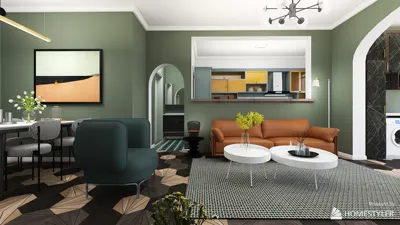


In my experience at a Draper UT showroom, I wired an accent light incorrectly and witnessed a client being amused by a chandelier that resembled a UFO. This incident taught me a valuable lesson: lighting has the power to either conceal or humorously expose errors. This little mishap fueled my passion for understanding how the right lighting fixtures and designs can transform a small showroom into a spacious, well-curated environment. Compact areas can ignite significant creativity, and in this article, I'll share five enlightening design inspirations I applied in my projects at the Draper UT showroom, particularly using the Homestyler platform.
1. Employing layered lighting for enhanced depth
To create an inviting atmosphere, I always implement three layers of lighting: ambient, task, and accent. In a narrow Draper UT showroom, I used recessed ambient lights along with track task lights for product displays, supplemented by adjustable spotlights to highlight focal pieces. This approach gave the space a sense of depth while maintaining a clean ceiling design. The flexibility is a key advantage, but be cautious of glare on shiny surfaces; using dimmers can help manage light intensity effectively.
save pin
2. Utilizing warm accent lighting to navigate customers
A client once wanted to create a dramatic path through the store, which I achieved by installing warm LED strips under shelves and toe-kicks to subtly guide foot traffic. This design made the space feel welcoming and intuitive to navigate. The only downside was that budget LED strips could change hues over time, so investing in high-quality LEDs and testing samples before final approvals is wise.
save pin
3. Implementing statement pendants as scale enhancers
In a limited showroom space, an oversized pendant can become a key focal point that tricks the eye into perceiving higher ceilings. I positioned a striking fixture over the main demonstration table at the Draper UT showroom, which effectively anchored the room and sparked engaging conversations around it. However, consider potential headroom issues and ensure precise hanging heights; I advise conducting mock-ups before proceeding with the final installation.
save pin
4. Smart control systems for versatile displays
Incorporating smart dimming scenes allows staff to effortlessly shift the mood from product demonstrations to evening events in mere seconds. I integrated scene-control technology in a Draper UT retail fit-out so that lighting presets synchronized with merchandising strategies. This provides operational ease, although the initial learning curve for staff and programming time should be taken into account.
save pin
5. Thoughtful integration of natural daylight
Whenever there's access to natural light, I strike a balance by pairing controllable fixtures with it. In one storefront, I combined motorized shades with tunable white fixtures, allowing daylight and artificial lighting to work harmoniously together. The result is a space where natural light variations feel deliberate. However, this setup could introduce system complexity and potentially higher costs. Still, customers typically favor the inviting, consistent look this creates.
save pin
Tip 1:
A practical suggestion is to always construct a mock-up area to evaluate colors and shadows in practical settings. If you're looking to plan layouts or test lighting arrangements virtually, platforms like Homestyler can greatly expedite your decision-making process and minimize unexpected outcomes.
save pin
FAQ
Q1: What color temperature is ideal for showrooms?
A1: I typically prefer using color temperatures between 3000K and 3500K for a warm yet accurate color presentation; for product showcases, slightly cooler tones can be more effective in highlighting details.
Q2: How many layers of lighting should a compact showroom contain?
A2: Three distinct layers — ambient, task, and accent — generally meet most requirements; their combination offers flexibility for merchandise displays and events.
Q3: Are LED strips reliable for long-term use in retail shelving?
A3: Absolutely! High-quality LED strips are both efficient and long-lasting; opt for brands known for their color stability and proper IP ratings suitable for the environment.
Q4: What are effective strategies to avoid glare on product surfaces?
A4: Employing diffusers, selecting indirect fixtures, and properly angling spotlights can help significantly; be sure to test with actual products and finishes to catch any reflections early on.
Q5: Is investing in smart lighting beneficial for small showrooms?
A5: In many cases, yes — the capability to quickly switch scenes enhances merchandising adaptability and can result in increased sales during special events.
Q6: Where can I digitally plan and visualize showroom layouts?
A6: I frequently suggest using a dependable room planning solution for testing fixture placements and sightlines prior to installation; consider trying the free floor plan creator for discovering new ideas.
Q7: What standards should I follow for showroom lighting to ensure accurate color rendering?
A7: Aim for a CRI of 90 or more in product-critical areas; this aligns with guidelines set by organizations like the IES (Illuminating Engineering Society).
Q8: How can I effectively balance daylight with artificial lighting?
A8: Utilizing motorized shades or adjustable fixtures, as well as considering tunable white LEDs, can help synchronize with natural light fluctuations; harmonious blending prevents washout and harsh contrasts.
save pin


Homestyler is your go-to online design platform for transforming home ideas into reality. With an easy-to-use design tool and stunning 3D rendering, you can explore countless styles. Plus, enjoy inspiring DIY video tutorials and diverse design projects to guide your renovation journey effortlessly!
Design jetzt kostenlos
































