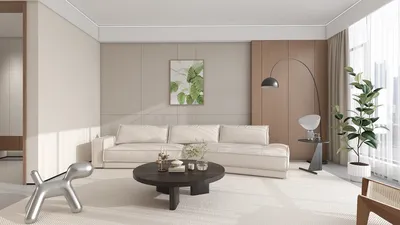


Once, I adorned a tiny studio with a hue described as "almost blue, almost gray" due to a client's desire for a foggy seaside cottage vibe. However, they were puzzled when their plants appeared lackluster. This experience underscored the importance of considering more than just paint swatches; factors like furniture arrangement, light reflection, and textural layers can significantly alter the ambiance. When planning a snug layout for a compact space, it’s essential to start with how paint interacts with light and to factor in the furniture pieces you already possess. This approach can lead to a beautifully crafted cozy layout.
Small spaces ignite vast creativity — this has been my guiding philosophy through a decade spent infusing both drama and tranquility into areas less than 60 square meters. Below are five actionable design ideas for utilizing light grey blue wall paint, inspired by actual projects, budget experiments, and those late-night painting sessions.
1. Pale Coastal Essence: Complement with warm wood
I adore applying a gentle light grey blue on all walls and accentuating it with honey oak or walnut shelving. This combination softens the blue, creating an airy yet lived-in feel rather than a sterile one. The advantage is an instant sense of calm and seamless continuity, though you may need warmer lighting during the winter months to maintain coziness.
save pin
2. Fresh Contrast: Bright white trims and brass details
In a compact kitchen or bathroom, pairing light grey blue walls with radiant white trims enhances the edges, creating a cleaner look in photographs. I once replaced chrome with aged brass hooks, adding character to the room for under $50—proving that small budgets can yield significant impacts. Just be cautious of yellow-hued whites, which can shift the blue towards a greenish tint.
save pin
3. Subtle Gradient: Make the ceiling slightly lighter than the walls
Applying a shade or two lighter on the ceiling compared to the walls creates the illusion of increased height without structural alterations. It’s a subtle yet impactful change; one client remarked that their living room felt like it could "breathe" post-transformation. To visualize how this gradient responds to different lighting, I frequently utilize a quick 3D render of the space, ensuring clients avoid the regrets of late-night repainting.
save pin
4. Textured Accent: Highlight one wall with texture
Choose to paint three walls light grey blue while transforming the fourth into a textured focal point—options include plaster, vertical timber slats, or even patterned wallpaper. This strategy alleviates monotony and establishes a cozy nook for reading or display purposes. However, be mindful of keeping proportions balanced; excessive texture in a small space can feel overwhelming, so testing samples on the wall first is advisable.
save pin
5. Clever Pairing: Merge storage solutions with lighting
Given that light grey blue imparts a calm and slightly cool feeling, I often incorporate warm LED under-cabinet lighting in kitchens along with reflective cabinet fronts in entryways to bounce light within the space. If you’re remodeling a compact kitchen, it’s wise to combine decisions regarding paint choices with kitchen layout strategies early on to ensure cabinetry and color synchrony—this can prevent costly demo work later on.
save pin
FAQ
Q1: Is light grey blue a good choice for small spaces?
I frequently select this color for compact rooms as it visually enlarges the space when paired with appropriate trim and lighting. Maintain gentle contrasts and limit glossy surfaces to minimize glare.
Q2: What undertones should I be aware of?
Seek out cool undertones with an even mix of blue and grey; too much green tends to appear muddy, while overly intense blue can feel overly chilly. Testing large swatches at various times throughout the day is recommended.
Q3: Does it work with both modern and traditional aesthetics?
Absolutely—this hue is quite versatile. Modern designs thrive with minimal trims and metallic elements, whereas traditional styles tend to favor moldings and warm woods. My designs demonstrate its adaptability, especially when accessory temperatures are well managed.
Q4: Which flooring works best with this color?
Light oak or mid-tone warm wood generally complements the paint beautifully, without overpowering it. Cool greys or light concrete can also be effective; however, incorporating warm textiles helps to avoid a sterile appearance.
Q5: How does lighting impact the color?
North-facing natural light tends to cool the color, whereas south-facing light can warm it significantly. I always recommend clients review paint samples during sunrise and sunset to make a fully informed decision.
Q6: What is the best finish to use?
Eggshell or satin finishes are my first choice for living areas as they conceal imperfections while reflecting some light. Reserve semi-gloss for trim and areas prone to moisture for added durability.
Q7: How can I gauge the color before committing to paint?
Create sample panels measuring 1m x 1m in various locations and observe them over a 48-hour period with different lighting. For technical clarity, Sherwin-Williams provides insights on light reflectance and sample testing through their color resources (https://www.sherwin-williams.com).
Q8: Can accessories easily match this color?
Certainly—opt for linens in warm neutrals, fixtures in brass or black metal, and incorporate plants to enhance the hue’s vibrancy. Begin with one statement piece and build a cohesive palette around it.
save pin
Homestyler is your go-to online home design platform! With its easy-to-use design tool, stunning 3D renderings, and a wealth of design projects and DIY video tutorials, you can effortlessly create and visualize your dream space. Transform your home design experience today!
Progetta ora GRATIS
































