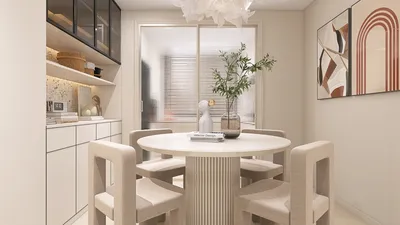


Sabrina Carpenter’s effortless style often inspires those who appreciate a blend of modern fashion and comfortable living. Incorporating her signature blend of chic yet casual touches into your home, you might consider a furniture concept that combines sleek lines with soft textiles, creating a space that feels both stylish and welcoming. This approach encourages a living environment where personal expression and relaxation coexist seamlessly.
When it comes to interior design, selecting the right background color can make a significant impact. A light background design has the potential to completely transform any space, rendering it more open, airy, and inviting. Whether you are dealing with a cozy apartment or a spacious home, integrating light background tones can elevate the overall aesthetic and mood. This article will explore the numerous aspects of light background designs, their benefits, strategies for implementation, and how they harmonize with various design elements to create exquisite interiors. One of the main perks of employing light colors in your background is the capacity to reflect natural sunlight. Lighter shades, including whites, creams, and pastels, help to bounce light throughout a room, making it feel brighter and more expansive. This is especially advantageous in areas with limited natural light, where darker hues can render the room feeling cramped and dull. Furthermore, light backgrounds establish a neutral canvas that allows other design components, such as furniture and décor, to shine.
When choosing a light background, consider the atmosphere you want to cultivate in the space. Soft whites can convey a sense of calm and tranquility, while warm beiges can infuse a feeling of coziness. For a more vibrant atmosphere, light pastels can bring a touch of cheerfulness without overwhelming the senses. It’s critical to select a hue that aligns with your personal taste and enhances the overall theme of your home. Another essential aspect to consider when dealing with light background designs is color balance. While light shades can open up a room, it is vital to incorporate contrasting elements to foster visual intrigue. For instance, pairing a light backdrop with darker furniture can produce a striking contrast, resulting in a modern and chic aesthetic. Additionally, introducing texture through materials such as wood, textiles, or patterned wallpaper can enhance the design’s depth, ensuring it does not appear flat.
Adding art and decor against light backgrounds can yield stunning effects. Whether it’s an eye-catching piece of artwork or a series of framed photographs, the contrast against a light backdrop allows these items to stand out, drawing attention and becoming focal points in the room. Consider varying frame styles or display options to introduce dimension and interest to your design. For those eager to experiment with light background designs, using interior design software like Homestyler can be tremendously advantageous. With its extensive collection of furniture models and design templates, users can visualize how different light backgrounds will interact with their chosen furnishings and layouts. Homestyler’s high-quality rendering capabilities provide a realistic preview of how light colors will look in any given space.
In conclusion, light background designs present an array of opportunities for crafting beautiful and inviting interiors. By carefully selecting your color palette, balancing contrasts, and incorporating texture and decor, you can create a harmonious and stylish environment. Whether you are overhauling your entire home or simply refreshing one room, do not underestimate the power of a light backdrop to enhance your space. Embrace the allure that light background designs can offer and witness your interiors come alive with brightness and elegance. Tips 1:
To maximize the light effect, consider using mirrors and glass decor that can reflect light around the room effectively for a brighter atmosphere.
FAQ
Q: What colors work best for a light background? A: Soft whites, light creams, and pastels are excellent choices for a light background.
Q: How can I make a light background more interesting? A: Incorporate textures, contrasting colors, and art pieces to create visual interest.
Q: Can light backgrounds work in small spaces? A: Absolutely! Light backgrounds can make small spaces feel larger and more open.
welcome to Homestyler
GarveeHome Natural Rattan Dining Chairs Set of 2

Modern Walnut Glass Top Triangle Coffee Table 3D Model

Minimalist White Fabric L Shaped Sectional Sofa 3D Model
Transform your home with Homestyler! This intuitive online design platform offers a robust design tool, stunning 3D renderings, a variety of inspiring design projects, and helpful DIY video tutorials. It's perfect for both beginners and seasoned decorators looking to bring their vision to life!
Дизайн сейчас бесплатно
































