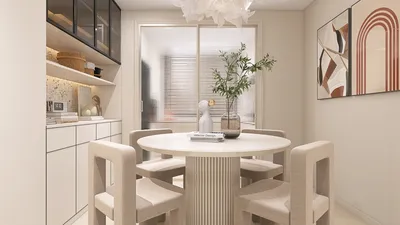


Once, I installed a strip of LED lights above a client’s bookshelf, inadvertently turning their cat into a flashy neon ball — much to the delight of the cat, although the homeowner was less impressed. This amusing incident revealed just how influential wall lighting can be: with a modest investment, you can greatly enhance the atmosphere, dimensions, and functionality of a space. I often find that smaller areas inspire my best concepts, and LED wall lights, particularly through the innovative use of tools like Homestyler, are among my top choices.
1. Utilizing Accent Lines to Expand Narrow Spaces
One effective approach I favor is to install linear LED wall fixtures horizontally along narrow hallways or the walls of a living room, creating an illusion of a more expansive space. The outcome is instant; it fosters a seamless sightline and a contemporary aesthetic. However, challenges like wiring and glare must be addressed — I typically opt for recessed channels and integrate a dimmer to keep the lighting soft at eye level.
save pin
2. Creating Cozy Corners with Layered Wall Sconces
For intimate reading areas or bedside spaces, I combine warm LED sconces with a slender strip behind headboards to add depth. This combination creates a welcoming atmosphere and is energy-efficient, though it's essential to match the color temperatures to avoid clashing. A recent project in a compact apartment utilized this design, doubling the warmth of the sleeping area.
save pin
3. Picture-Washers for Highlighting Art and Textures
LED picture-washers are perfect for illuminating artwork, textured finishes, or wooden panels without occupying floor space. The benefit is a gallery-like experience with low power consumption; however, meticulous placement is crucial to avoid unflattering shadows. I often complement this setup with a slim track dimmer, allowing for flexible lighting options.
save pin
4. Functional Display with Integrated Shelving Lights
Incorporating LEDs into floating shelves enhances visibility and provides task lighting, especially in small kitchens or entryways. This clever solution addresses both aesthetic display and practicality, but one must be cautious of visible wiring and heat affecting delicate items. To mitigate this, I route the power through the shelf supports and use low-heat LEDs.
save pin
5. Versatile Color-Changing Accents for Multifunctional Spaces
RGBW LED panels or strips offer the flexibility to shift a room's ambiance — from warm tones for dinner to cooler shades for work or vibrant colors for celebrations. The fun lies in adaptability, but the challenge is maintaining taste; an overload of colors can feel chaotic. I suggest pre-set scenes and simple remote or app controls to prevent clients from cycling through every color at late hours.
To swiftly visualize these concepts, consider using a room planning tool like Homestyler, which helps you to accurately plan lighting placement and scale before cutting into walls.
save pin
FAQ
Q: What is the optimal color temperature for living rooms?
A: A range of 2700K to 3000K is generally recommended for warm and inviting living rooms, while 3000K to 4000K works best for task-oriented spaces. This spectrum balances atmosphere with usability.
Q: Are LED wall lights energy efficient?
A: Absolutely — LEDs consume considerably less energy than incandescent or halogen bulbs and have a longer lifespan, leading to fewer replacements and lower energy bills.
Q: Can I install LED wall lights myself?
A: While simple plug-in wall sconces are DIY-friendly, it’s advisable to have hardwired or recessed LED channels installed by a licensed electrician to ensure compliance with safety regulations.
Q: How can I conceal visible wiring?
A: You can hide wiring within wall channels, behind moldings, or within shelving structures; alternatively, surface-mounted raceways can be utilized if painted to match the surrounding walls.
Q: Do LED lights harm artwork?
A: LEDs emit significantly less UV light and heat compared to older bulbs; selecting low-heat, high-CRI LEDs while keeping a safe distance will protect sensitive pieces. For accurate preservation advice, refer to the Getty Conservation Institute’s guidelines.
Q: What is the significance of CRI?
A: CRI, or Color Rendering Index, indicates how closely a light source displays colors accurately. For interior spaces, a CRI of 90 or above is ideal for showcasing art and textiles.
Q: Is it possible to mix warm and cool LEDs in one room?
A: Yes, but consistency is key. It's beneficial to divide the room into distinct areas with independent controls to ensure each zone maintains its desired ambiance.
Q: What types of LED fixtures are recommended for small spaces?
A: Slim linear fixtures, recessed channels, and low-profile sconces are excellent choices — they occupy minimal space while providing layered lighting options.
save pin



Homestyler is your go-to platform for all things home design! With its easy-to-use online design tool, stunning 3D renderings, a wealth of design projects, and informative DIY video tutorials, you can effortlessly bring your creative visions to life—perfect for anyone looking to transform their space!
立即免费设计
































