

Lavender is known for its balanced and versatile qualities, offering a soft and serene atmosphere. In interior design, this calming shade, with its cool red-blue undertones, not only brings tranquility but also keeps spaces looking fresh. When used thoughtfully, lavender can effortlessly transition from romantic bedrooms to contemporary living spaces and even functional home offices, making it an ideal choice for any setting.
When utilized as either a dominant color or an accent, lavender enhances well-being and concentration. Research shows that the visual quality of a space—including factors like color harmony and brightness—affects comfort levels and stress perceptions. Notably, studies from Steelcase indicate that effective visual environments can significantly boost cognitive function, particularly with optimal contrast and brightness for reading tasks. This highlights lavender's role as a soothing yet clarity-enhancing foundation.
Establish the Mood: Light, Saturation, and Finish
Lavender's appearance can change dramatically depending on the light it receives. In north-facing rooms that tend to have cooler daylight, opting for warmer lavender shades, perhaps with hints of pink or greige, can prevent an overly chilly feel. Conversely, in sun-soaked south-facing spaces, cooler lavender varieties thrive, especially in matte finishes that reduce glare. The Illuminating Engineering Society advises targeting around 300–500 lux for work surfaces and 150–300 lux for casual living areas, while minimizing glare with diffused lighting solutions.
Enhance the Palette: Lavender with Neutrals and Accents
Create a subtle design scheme with lavender walls, soft white ceilings, and warm sandy or grey floors. Adding elements like charcoal window frames can introduce depth, while a pop of ink-blue can add interest. To bring warmth to the palette, consider brass or aged bronze hardware. For a dynamic look, I suggest using a 70-20-10 ratio: 70% lavender as the base, 20% grounding neutrals (like white or stone), and 10% bright accents (such as saffron or terracotta). This approach ensures visual rhythm without overwhelming the senses.
Serenity in the Bedroom
In bedrooms, lavender excels at creating a calming environment while still maintaining lightness. Opt for low-VOC mid-tone lavender paints for the walls and a much lighter hue on the ceiling to enhance perceived height. A textured oatmeal linen headboard coupled with layered bedding that transitions from lavender to mauve provides visual softness. Use warm bedside lighting around 2700–3000K and ambient light at about 3000–3500K to foster relaxation. Installing dimmer switches can further support a healthy circadian rhythm.
Harmonizing the Living Room
In living areas, lavender works wonderfully with structured furniture such as sleek sofas and well-defined armchairs. It can be applied on an accent wall or through luxurious drapery to soften both acoustics and brightness. Black-and-white photography or minimalist art can create a compelling contrast against the lavender backdrop. Incorporate a rug with subtle patterns to evoke movement without adding visual congestion.
Fostering Focus in Home Offices
In a home office setting, lavender can help maintain focus when paired with neutral desks and high-CRI task lighting. Choose a subdued lavender for the walls with a matte finish to curtail screen reflections. Ergonomic furniture setup—like height-adjustable chairs and proper monitor placements—contributes to comfort, with research indicating that varying posture supports better long-term sitting experiences. Accentuate the space with deep plum storage and a green plant for a touch of biophilic design.
Inviting Warmth in Dining Rooms
Introduce lavender into dining areas through textured finishes or wallpaper to add tactile warmth. Utilize soft white linens alongside smoked glass or brass candleholders to set an inviting table. Layered lighting is key: consider a dimmable chandelier set at 2700K for ambiance combined with recessed lighting for a gentle wash against the walls. The goal should be to create a pleasant dining atmosphere that encourages relaxed conversation.
Kids’ Spaces: A Playful yet Calming Aura
Calm doesn't have to equate to blandness. In children's rooms, pair lavender with playful colors like chalky mint and buttercream to craft a cheerful environment. Select washable, durable paints and materials. A cozy reading nook decorated with a lavender canopy, foam poufs, and adjustable lighting can provide ideal conditions for focused activities while managing glare.
Emphasizing Material and Sustainability
Combine lavender with natural, sustainable materials such as FSC-certified timber, OEKO-TEX textiles, and wool rugs. To anchor the color palette, consider floors with honed limestone or terrazzo that showcases faint lavender flecks. Using sustainably sourced materials minimizes VOCs and promotes healthier indoor air quality, supporting the well-being of inhabitants.
Understanding Color Psychology and Behavior
Lavender's subtle hue minimizes visual distractions, fostering relaxation while keeping interest alive. It particularly excels in spaces designated for unwinding—like entryways, reading corners, and bathrooms. To energize the mood, consider adding small accents of complementary colors (like mustard or coral) that can be easily changed with the seasons.
Selecting Textiles, Patterns, and Textures
Aim to balance smooth and textured surfaces by incorporating linen drapes, bouclé upholstery, natural silk pillows, and matte ceramics. Patterns should be kept understated—such as herringbone or delicate florals—to prevent visual clutter. Sheer lavender curtains can gently diffuse sunlight while preserving the view.
Creating Layouts That Enhance Flow
Thoughtful space planning is essential to ensuring a lavender room feels tranquil. Maintain generous circulation paths (ideally around 900 mm) and anchor larger furniture pieces to establish a sense of order. If you're exploring ways to zone space or create new focal points, using a layout simulation tool, like Homestyler, can be incredibly helpful for visualizing proportions and sightlines before making final decisions.
Optimize Small Rooms with Smart Design
In smaller spaces, lighter shades of lavender can help create the illusion of more volume. Position mirrors across from windows to reflect daylight and opt for a ceiling color that is a half-shade lighter than the walls. Utilize slim lighting fixtures and furniture with raised legs to maintain a light visual presence.
Bringing Wellness to Bathrooms
Using lavender tiles, whether in zellige or satin finishes, harmonizes beautifully with brushed nickel or warm brass fixtures. Position lighting at around 3000–3500K for even face illumination, adjusting with translucent shades to soften the cool daylight. A simple bud vase with real lavender can tie the palette together without crowding the space.
Final Touches to Enhance Aesthetic
Carefully choose accessories like ceramic vases, matte black frames, and books with muted spines. Use scents sparingly—lavender essential oil in a diffuser can be a subtle calming element, but moderation is key. The overall arrangement should convey a sense of layers while remaining airy and open.
Common Questions Answered
Warm to neutral white light (2700–3500K) retains softness while enhancing visibility. Ensure task lighting is closer to 3000–3500K and general living areas stay around 2700–3000K for a balanced ambiance.
Anchor your color scheme with structured furniture, incorporating dark accents and minimalistic graphics. Materials such as bronze or blackened steel can add a sophisticated touch.
Indeed, a muted lavender background can promote sustained focus when paired with the right contrast and effective task lighting. Steelcase's findings support the idea that well-considered visual conditions contribute to enhanced cognitive outcomes.
Soft white, stone, warm grey, and beige tones keep the design calm while providing necessary contrast.
Opt for a matte finish on walls to minimize glare, while using satin for trim to ensure durability, and a lighter ceiling tint to enhance spatial lift.
Choose lighter shades for reduced visual heaviness and maximize light reflection using mirrors. Avoid dense patterns that could constrict the space.
Absolutely. Combining textured wall treatments with warm, dimmable lighting set around 2700K can create an inviting evening ambiance, harmonized with polished brass or glass elements.
Choose sustainable materials like FSC-certified woods, linen, and wool while aiming for low-VOC finishes to ensure healthy indoor conditions.
Employ the 70-20-10 guideline: 70% lavender as the primary base, 20% grounding neutrals, and 10% accent color to achieve balance in space.
Its soft undertone and cool hue foster a calming environment, particularly when layered with warm lighting (2700–3000K) and inviting textures for a restorative effect.
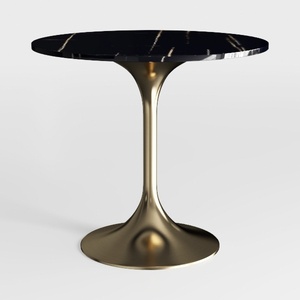
Modern Black Marble Top Gold Metal Side End Table 3D Model

Modern Velvet Tufted L Shaped Sectional Sofa 3D Model

Modern Purple Velvet Tufted L Shaped Sectional Sofa 3D Model
Homestyler is your go-to online home design platform, perfect for both novices and seasoned designers. Its user-friendly design tool and impressive 3D rendering capabilities allow you to visualize your ideas effortlessly. Explore a vast array of design projects and enhance your skills with DIY video tutorials—all in one place!
今すぐ无料でデザイン
































