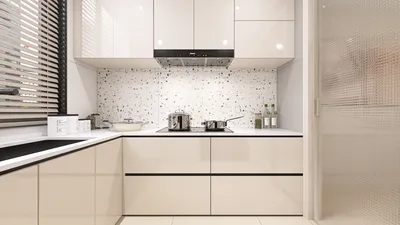


When designing kitchens, my focus revolves around two main objectives: ensuring structural stability and promoting daily convenience. An effectively designed kitchen considers the weight of appliances, the load on countertops, and storage capacity, all without hindering movement or comfort. Thoughtful spatial organization can prevent issues such as sagging cabinets, cracked countertops, and overloaded circuits—problems that often arise years after installation if weight distribution hasn’t been adequately addressed. Utilizing tools like Homestyler can significantly aid in achieving this balance.
The implications of weight extend beyond mere structure; they influence how we behave and our overall health. Patterns of standing, lifting, reach distances, and the quality of lighting all contribute to the kitchen's ambiance over time. Studies indicate that aligning tasks with ergonomic dimensions reduces fatigue and minimizes the risk of musculoskeletal issues; the WELL v2 framework highlights the importance of task lighting that reduces glare and supports prolonged use. Insights from workplace research by Herman Miller emphasize the advantages of ergonomic design and movement, principles that can be effectively implemented in kitchens through tools like Homestyler to optimize layout and functionality.
Recognizing Load Paths and Cabinet Specifications
Every kitchen functions as a complex system of load paths: the floor sustains base cabinets, which in turn support individual drawers and appliances; walls and anchors provide resistance against shearing forces, while countertops evenly spread point loads. Typically, wall studs positioned 16 inches apart provide dependable anchorage when fixtures adhere to the manufacturer’s guidelines. For base cabinets, it's crucial to verify load ratings—drawers often support 75–100 lbs per slide pair, and shelves generally hold 50–75 lbs each, contingent on their construction and span. Stone countertops, including granite and quartz, withstand compression well but are susceptible to unsupported overhangs; most fabricators recommend limiting overhangs to 8-12 inches unless additional support beams are installed.
Appliance Weights and Their Placement
When planning your kitchen, it’s vital to consider the actual weight of appliances and how users will interact with them. For example, standard 30-inch ranges typically weigh 150–220 lbs, while 36-inch professional models can escalate to 300 lbs. Refrigerators exhibit considerable variance—counter-depth models range from 220–350 lbs, while full-depth French door models often weigh between 300–400 lbs. Dishwashers usually fall within the 70–100 lb range. Always ensure heavy appliances are securely fastened to the floor or cabinet framework, and avoid clustering multiple heavy units onto a single short cabinet span.
Countertop Load and Point-Load Management
Natural and engineered stone is effective at managing distributed loads; however, point loads—like a heavy stand mixer or water filter—can concentrate stress on thinner sections near cut-outs. To mitigate this, reinforce sink and cooktop openings with adequate support beams, and refrain from placing excessively heavy appliances directly above weakened spans. In areas where overhang seating exists, consider implementing concealed steel plates or support brackets to reinforce areas where the fabricator’s limits are exceeded.
Storage Density: The Placement of Heavy Items
Store heavy cookware, such as cast iron pots and Dutch ovens, in base drawers close to the range to reduce lifting distances to a manageable level. Additionally, keeping bulky pantry items at lower heights—such as bags of flour or rice—prevents the need to reach above shoulder height. It is advisable to limit tall pantry pull-outs to medium-weight items placed on middle shelves, aligning with ergonomic recommendations to minimize awkward reaching and reduce stress on the lower back.
Creating Ergonomic Heights, Reaches, and Movements
Ensure countertops are at a height that accommodates the primary user—while standard heights of 36 inches cater to many, baking zones might need to drop to 34–35 inches for better leverage during tasks like kneading. Store frequently used, heavier utensils within the primary reach zone: ideally 20–24 inches from the countertop’s front edge and aligned between hip and shoulder height. If multiple users engage in the kitchen, consider creating dedicated zones categorized by task and height whenever feasible, thereby fostering movement and reducing prolonged exertion, principles supported by wellness frameworks like WELL v2.
Effective Lighting for Safety and Precision
Appropriate lighting significantly decreases the chance of accidents while handling and pouring. I aim for lighting levels of 300–500 lux on countertops for preparation tasks, 200–300 lux for general illumination, and 500–750 lux for intricate activities, adhering to widely accepted practices based on IES standards. Pair 2700–3000K warm white ambient lighting with 3000–3500K task illumination under cabinets to maximize contrast while minimizing harsh glare. Ensure that the fixtures provide suitable shielding to avert direct hotspots on glossy surfaces.
Managing Acoustics and Vibration
Heavy appliances can generate noise and vibrations that reverberate through cabinetry. To address this, utilize anti-vibration pads beneath refrigerators and washers, especially in kitchens adjacent to utility areas, and insulate dishwashers with gaskets. Soft auditory-absorbing materials—like rugs and acoustic ceiling panels—can lessen reflected sounds, making extended cooking sessions more enjoyable.
Floor Structure and Subfloor Preparation
Prior to positioning a range or sizable refrigerator, confirm the strength of the subfloor and joists, especially in older residences. Concentrated loads situated near edges or notches necessitate proper blocking. When installing stone or tile, a compatible underlayment should be added and deflection limits should be checked to minimize the risk of cracked grout. Appliances situated on platforms or risers require continuous support rather than relying on point legs prone to damaging softer subfloor materials.
Electrical and Ventilation Considerations: The Hidden Loads
Weight planning is not solely about physical loads. Appliances that draw significant power necessitate dedicated circuits—typically 15–20 amps for microwaves, 20 amps for dishwashers, and hardwired 240V for ranges. Distribute heavy plug-in appliances strategically to avoid overloading circuits. Additionally, venting requirements present another concealed load; high-CFM range hoods often require make-up air in certain areas to balance pressure appropriately.
Workflow and Layout: Ensuring a Balanced Triangle
The traditional work triangle comprised of the sink, cooktop, and refrigerator continues to enhance efficient movement, but incorporating heavy-item placement can refine this concept further. Position the heaviest storage options adjacent to the most frequently performed tasks to limit transportation distances. Utilizing a kitchen layout tool, such as Homestyler, can facilitate testing various zones or planning multiple configurations, allowing you to visualize clearances and appliance footprints before making decisions.
Color, Material Selection, and Durability
Dark stone surfaces can visually contribute to a sense of ‘weight’ in the kitchen; balancing this with lighter cabinetry or reflective backsplashes helps restore visual harmony. The choice of finishes plays a crucial role in durability during heavy usage: quartz is resistant to staining, sintered stone withstands heat effectively, and high-pressure laminates are robust against impacts. Opting for sustainable, low-VOC materials and FSC-certified wood can also enhance indoor air quality and extend the lifecycle impact of your kitchen design.
Future-Proofing and Safety Margins
Kitchens are dynamic spaces—appliances may change hands, families grow, and habits evolve. Always factor in a safety margin of 10–20% above the cabinet shelf load limits and maintain spare capacity on electrical circuits. Install extra blocking behind wall cabinets where heavy dishware might be stored. In multi-cook kitchens, ensure a minimum circulation aisle width of 42 inches, and validate clearances for door swings to prevent loads from becoming hindrances.
Comprehensive Weight Planning Checklist
1) Compile a list of weights for appliances and cookware; 2) Outline load paths to the floor, cabinets, and walls; 3) Confirm cabinet and drawer weight limits; 4) Reinforce cutouts and overhangs as required; 5) Prioritize placing heavy items close to task zones and at lower heights; 6) Adjust lighting levels for specific tasks; 7) Review circuit and ventilation capacities; 8) Utilize a layout tool like Homestyler to visualize the setup; 9) Document safety margins for potential future adaptations.
Frequently Asked Questions
Typically, residential drawer slide pairs are rated for 75–100 lbs when installed as per specifications. Deep drawers meant for cast-iron cookware should utilize heavy-duty slides and reinforced bases.
Aim for lighting levels of 300–500 lux on preparation surfaces and 200–300 lux for general lighting, with 500–750 lux allotted for detailed tasks, aligning with IES guidelines.
Position heavy pots and pans in base drawers near the stove at hip height to reduce lifting distances and minimize strain on the user.
Indeed. Fabricators typically restrict overhangs to 8–12 inches without additional corbels or steel supports. Reinforce seating overhangs and zones adjacent to sink or cooktop cut-outs.
Distribute heavy loads across multiple cabinets, employ quality hardware, introduce additional shelf supports for extended spans, and prevent clustering heavy items in wall cabinets.
Ensure a minimum of 42 inches for shared circulation spaces; increasing this to 48 inches enhances comfort around island seating and open appliance doors.
Microwaves usually necessitate dedicated circuits of 15–20A; dishwashers often require 20A; ranges are typically hardwired for 240V. Always confirm with local codes and manufacturer requirements.
Implement anti-vibration solutions beneath refrigerators, isolate dishwashers using gaskets, and incorporate soft materials (such as rugs and acoustic panels) to absorb sound reflections.
Certainly. Dark, matte finishes can contribute to a feeling of heaviness; introducing lighter, reflective surfaces can visually balance compact kitchens.
Install blocking behind drywall where heavy dishware or appliance garages are anticipated; secure fixtures to studs using appropriate fasteners for support.
Maintain electrical reserves, verify spatial allowances for larger appliances, and incorporate adjustable shelves and modular cabinet inserts to enhance flexibility with varying loads.
Make use of appliance dollies, protect flooring with rigid panels, and refrain from excessive tilting during transport; allow refrigerants to settle based on manufacturer instructions before powering on the devices.
Homestyler is your go-to online home design platform, featuring an easy-to-use design tool and stunning 3D renderings. Explore a plethora of design projects and enhance your skills with DIY video tutorials. Transform your home design dreams into reality, no experience needed!
تصميم الآن مجانا
































