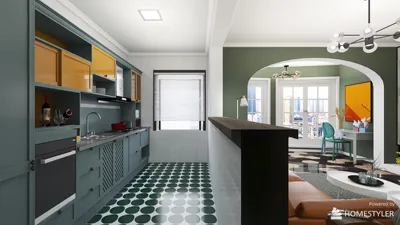


I once had a client who was adamant about placing a fluffy shag rug right in front of their stove — I joke that it was an intervention waiting to happen. This incident highlighted to me that in kitchen settings, rugs prioritize practicality over aesthetics; they play a pivotal role in delineating zones, managing foot traffic, and facilitating cleanup. When you focus on designing your kitchen with the flow of movement in mind, a rug transforms into a strategic asset rather than a potential hazard.
1. The Runner for Slim Kitchens
In galley-style kitchens, a long runner can work wonders: it softens the narrow space, adds warmth to cold flooring, and helps direct movement. Personally, I prefer low-pile, washable runners—they are easy to maintain, create an illusion of length, and show less wear compared to thicker options.
However, there's a drawback: runners may bunch up, so it's advisable to include a non-slip pad and be prepared for occasional adjustments. A budget-friendly tip is to seek out machine-washable rug runners to save on expensive cleaning services.
save pin
2. Layered Rugs to Shape an Open Layout
Kitchens that seamlessly connect to dining or living areas greatly benefit from layered rugs: a sturdy flatweave beneath the table paired with a softer, patterned layer closer to the seating area creates a cozy vibe. I remember using two contrasting textures around an island, which was well-received by guests who loved the inviting feel.
While layering enhances depth, it can make cleaning more challenging. Opt for a removable top layer and materials that withstand regular foot traffic and accidental spills.
save pin
3. Round Rugs for Cozy Breakfast Nooks
Round rugs are ideal for establishing a focal point under smaller tables; they mirror the shape of circular tables and provide an intentional feel to the nook. To visualize the rug in 3D before making a purchase, I often create a mockup based on scale to eliminate surprises.
The downside is that smaller rugs can shift as chairs are pulled out. A simple solution involves using a discreet non-slip backing and selecting a rug with a diameter slightly larger than the chair's width to minimize movement.
save pin
4. Practical Low-Pile Rugs for Family Areas
In households with children, practical choices are a must: low-pile synthetic rugs resist stains and dry quickly. I recommend tight-woven rugs near preparation zones to ensure that dropped crumbs don't settle in, simplifying the cleaning process.
Though they may lack a luxurious feel underfoot, these rugs excel in durability. For a splash of character, consider bold designs that cleverly mask stains while providing a chic look at an affordable price.
save pin
5. Statement Rugs to Anchor Kitchen Islands
A striking rug beneath a kitchen island serves as a decorative element: it clearly defines the workspace and elevates the overall aesthetic of an open layout. I always advise measuring circulation patterns and often encourage clients to visually test various rug sizes—sometimes, a difference of two feet can make a significant impact.
The risk? Detailed patterns may showcase crumbs, and higher-end materials require added maintenance. If you're seeking drama without the fuss, consider indoor-outdoor options that provide a luxurious appearance while being easy to clean.
save pin
Tips 1:
Here are some quick practical tips that I apply in nearly every kitchen project: maintain a clearance of 24–36 inches in work areas, choose low-pile rugs for high-traffic zones, and always use a non-slip pad. If you're on a tight budget, start with a washable rug to gauge compatibility with your routine before investing in more expensive items.
save pin
FAQ
Q1: What size rug is best for my kitchen?
Measure your primary work triangle and aim for a rug that provides at least 24 inches of clear walking space around appliances. For islands, allow an additional 12–18 inches beyond the chair legs to ensure that chairs remain on the rug when pulled out.
Q2: Are kitchen rugs safe?
Definitely, provided you select low-pile rugs with an anti-slip pad and keep them dry. Avoid plush rugs in front of the stove, as they can trap grease and pose a slipping risk.
Q3: How should I clean my kitchen rugs?
Always follow the manufacturer's care instructions—many modern rugs are machine-washable or can be spot cleaned. For tougher stains, a gentle upholstery cleaner or a simple soak followed by air-drying works well for synthetic materials.
Q4: Which rug materials are ideal for kitchens?
Synthetic blends (like polypropylene or nylon) and indoor-outdoor weaves are among the best options for kitchens due to their stain resistance and quick-drying qualities. While cozy, natural fibers like wool require more maintenance around spills.
Q5: Can rugs help protect my kitchen floor?
Yes, rugs can shield floors from scratches and cushion the fall of dropped items. Make sure to use a breathable pad to prevent moisture from accumulating against wooden floors.
Q6: How do I keep my rugs from sliding?
Use a high-quality anti-slip pad that matches the size of the rug; the Consumer Product Safety Commission advises using non-slip mats to minimize trip and fall hazards. Regularly check the edges for curling.
Q7: What patterns effectively conceal stains?
Patterns that are busy and multi-colored do an excellent job of hiding crumbs and spills compared to solid lighter shades. I frequently opt for geometric or floral designs that lend an intentional look, even when well-used.
Q8: Can rugs be utilized in compact kitchens?
Absolutely—both runners and compact cluster rugs can create defined zones without making the space feel cramped. Keep the dimensions in mind and select light-reflecting hues to maintain an open ambiance.
save pin
Homestyler is your go-to platform for transforming your home design dreams into reality. With its easy-to-use online design tool, stunning 3D renderings, and a wealth of DIY video tutorials, you can effortlessly explore and create beautiful spaces—perfect for both novices and seasoned designers alike!
今すぐ无料でデザイン
































