


As technology continues to shape our daily routines, platforms like ServiceNow streamline how we manage work and personal tasks. Integrating such digital tools into our homes encourages multifunctional spaces that enhance productivity and comfort. Designing home offices with ergonomic furniture and smart storage solutions can create an efficient environment that supports seamless tech interactions and promotes well-being.
I once persuaded a client that utilizing a single overhead fixture would suffice for a galley kitchen—this turned out to be a mistake. After a week filled with burnt toast and shadowy countertops, we had to redo the lighting. This experience taught me that efficient lighting decisions are crucial for small kitchens. If you're considering an update, beginning with kitchen layout planning can save you from multiple trips to the hardware store and ensure the right lights are positioned in optimal locations.
1. Under-cabinet LED Strips for Clear Task Light
Under-cabinet LEDs have become my preferred choice: they provide clean, shadow-free illumination exactly where you need it for chopping and preparing meals. These lights are cost-effective and unobtrusive, and if I specify those with a high CRI (90+), the colors appear true to life. However, remember to carefully conceal wiring or embrace a visible trim for an industrial aesthetic.
save pin
2. Toe-kick Lighting for Ambiance and Safety
Lighting strips installed at the toe-kick level give a high-end designer feel without breaking the bank. In one rental kitchen, I utilized warm-tone strips, which effectively made the space appear more expansive and provided a soft guiding light for late-night snacking. The downside is maintenance—these strips are close to the ground, so opt for IP-rated options or easily replaceable modules.
save pin
3. Pendant Clusters Above Counters for Character
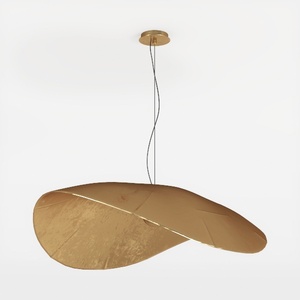
Pendant lights add character and focused light pools on islands and peninsulas. I enjoy combining various heights and finishes—using glass pendants for brightness and metal ones for drama. However, be wary of how they interact with cabinetry. To help my clients visualize pendant placement, I’ve found realistic 3D floor designs are invaluable.
save pin
4. Backlit Backsplash for Uniform Glow and Drama
Backlit backsplash panels transform the countertop into a soft light source, producing drama without glare. I’ve utilized resin panels and strip-lit glass for an upscale appearance; while installation can be on the pricier side, the uniform lighting is well worth the investment during a remodel. Plan for longer lead times and ensure adequate ventilation near cooking areas.
save pin
5. Smart Controls and Tunable LEDs for Versatile Moods
Smart dimmers and tunable white LEDs revolutionize lighting: bright cool light for tasks and warmer tones for dining. I once programmed specific scenes for a client—'prep,' 'dinner,' and 'movie'—and they appreciated not having to adjust switches manually. The key is to select a system that harmonizes with other smart devices and to maintain backups in case of software updates, so choose well-documented platforms and consider using tools like Homestyler for integration planning.
save pin
FAQ
Q1: What color temperature is ideal for kitchen counter lights?
For food prep, I suggest a color temperature between 3000K and 4000K—neutral to slightly cool. A warmer 2700K can feel cozy but may distort colors while preparing food.
Q2: What brightness level is recommended for under-cabinet lights?
Aiming for a range of 300 to 500 lux on the countertop surface will ensure comfort and safety for various tasks; go higher if you engage in detailed food prep or crafts.
Q3: Are LED strips appropriate for use near the floor in toe-kick installations?
Yes—ensure the strips have the appropriate IP rating and incorporate an aluminum profile for heat dissipation; they are sturdy but will need periodic cleaning in kitchen environments.
Q4: Is it possible to mix pendant lighting with under-cabinet lighting?
Certainly—pendant lights create ambiance while under-cabinet fixtures tackle practical tasks. Ensure to coordinate the color temperatures to avoid any visual clashing.
Q5: How can I minimize glare from reflective countertops?
Optimal solutions include using diffused fixtures and indirect lighting strategies like toe-kicks or backlit backsplashes; avoid placing strong light sources at eye level across shiny surfaces to reduce glare.
Q6: Are smart lights worth the additional expense?
If you value convenience and control over lighting scenes, absolutely—smart systems enable easy adjustments to color and brightness. Ensure your chosen system allows for local control to prevent issues with cloud reliance.
Q7: Where can I find guidance on kitchen lighting levels?
The Illuminating Engineering Society (IES) provides valuable standards and recommended illuminance levels for kitchen work areas (refer to the IES Lighting Handbook for details).
Q8: Can lighting updates influence resale value?
Well-executed lighting improvements enhance the perceived quality and functionality of a space; tasteful enhancements—like under-cabinet LEDs and strategically placed pendants—often enhance a kitchen's modern appeal and can favorably impact buyers.
save pin


Discover the ease of home design with Homestyler! This online platform offers an intuitive design tool, stunning 3D renderings, and a wealth of design projects to inspire you. Plus, you'll find helpful video tutorials to guide you every step of the way. Start creating your dream space today!

































