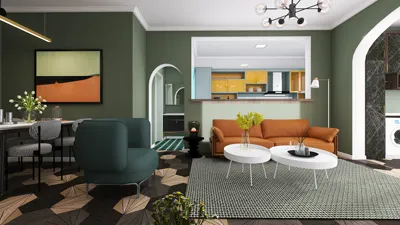


I once guided a client to paint their small galley kitchen a matte black for a more "dramatic" effect — a decision that almost resulted in losing natural light to the decor gods. Fortunately, we replaced that idea with an intelligent warm-cool lighting strategy, which not only saved the project but also imparted a valuable lesson: the correct light color can turn a compact kitchen into a spacious, welcoming center of the home. Indeed, limited spaces can inspire significant creativity. In this article, I will share five lighting color inspirations derived from actual kitchen renovations, incorporating the use of Homestyler as a fantastic tool for visualization.
1. Warm White (2700K–3000K) — Cozy and Timeless
Warm white lighting fosters a cozy, intimate ambiance, particularly suited for kitchens featuring warm wood accents or traditional cabinetry. I've installed 2700K pendant lights above breakfast areas to inspire extended coffee chats; however, it's worth noting that warm white can slightly modify food appearances, so it's advisable to use cooler task lighting if accurate color presentation is crucial.
save pin
2. Neutral White (3500K–4000K) — Versatile Everyday Choice
Neutral white strikes an excellent balance for multifunctional kitchens, providing warmth while maintaining clarity. In open-concept living spaces where the kitchen blends into the living area, I favor 3500K downlights to create a harmonious flow. While it may lack the mood-setting charm of warm white, it excels at ensuring precise cooking and preparation tasks.
save pin
3. Cool White (4000K–5000K) — Crisp and Contemporary
Cool white emits a sharp, modern aesthetic that pairs beautifully with stainless steel and reflective surfaces. In a recent minimalist renovation, I utilized 4000K under-cabinet lighting to accentuate backsplashes and enhance counter shine; caution is advised, however, as excessive use can render the atmosphere too sterile — thus, complementing it with warmer ambient lighting is recommended.
save pin
4. Tunable White (2700K–6500K) — Flexible and Smart
Tunable white fixtures allow for adjustments between warm morning hues and cool lighting for evening meal preparations. In a recent project, I incorporated tunable recessed lighting for clients desiring both morning coziness and clarity late at night. While these fixtures come at a higher cost and require additional controls, they are undoubtedly the most versatile solution for shifting needs and moods.
save pin
5. Accent Colors (RGB or Colored LEDs) — Playful and Dramatic
Colored LED lights are perfect for highlighting islands, toe-kicks, or display shelving. For example, I installed soft amber strips behind glass cabinets to add depth without overwhelming the overall design; caution is advised, as vibrant colors may not be ideal for cooking activities — reserve them for supplementary mood lighting instead.
save pin
Tips 1:
A quick practical suggestion: combine ambient, task, and accent lighting layers — such as warm ambient pendants paired with cooler under-cabinet task lights. When planning and visualizing layouts, I frequently utilize a 3D floor planner like Homestyler to simulate light interactions and fixture placements. This approach helps prevent surprises, such as my initial matte-black blunder.
When selecting light fixtures, consider their CRI (aim for 90+ for culinary tasks) and whether they are dimmable to enhance the atmosphere. For hands-on testing in terms of lighting and layouts, using a kitchen layout planner can save you from numerous late-night revisions.
save pin
FAQ
Q1: What light color is recommended for cooking and food preparation? A1: Neutral to cool white (3500K–4000K) ensures accurate color rendering and visibility; aim for a high CRI (90+) for optimal results.
Q2: Is warm white unsuitable for modern kitchens? A2: Not at all — warm white can soften sleek materials and create an inviting environment, but it's best to pair it with cooler task lights to retain clarity.
Q3: Should I choose fixed or tunable white fixtures? A3: Opt for tunable fixtures if you value flexibility and can invest in smart controls; fixed temperatures work well if your routine and aesthetics are consistent.
Q4: Are colored LEDs practical for kitchen use? A4: They're excellent for accent and mood lighting, but should not substitute proper task lighting due to potential color inaccuracies and visibility concerns.
Q5: What level of CRI should I consider for kitchen lighting? A5: Look for a CRI of 90 or higher to guarantee accurate color representation for food and surfaces (Source: Illuminating Engineering Society).
Q6: How many types of lighting layers does a kitchen require? A6: At least three: ambient lighting for overall brightness, task lighting for preparation areas, and accent lighting for depth and atmosphere.
Q7: Can LED color temperature influence perceived room size? A7: Yes, cooler lighting often makes a space feel larger and more clinical, while warm lighting fosters a cozy, intimate vibe, potentially altering perceived room scale.
Q8: Should I adjust light color based on cabinet hue? A8: Definitely — warm-tone cabinets pair beautifully with warm white, whereas white or gray cabinetry handles cooler temperatures well; neutral white serves as a safe middle ground.
save pin
Homestyler is your go-to online home design platform! With its user-friendly design tool, stunning 3D renderings, and a wealth of DIY video tutorials, you can effortlessly create and visualize your dream space. Unleash your creativity and transform your home today!
立即免费设计
































