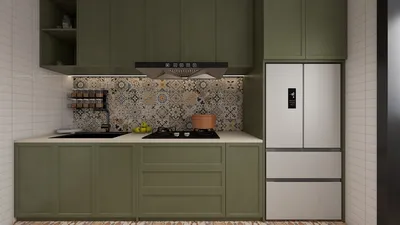


A client once asked me to cleverly conceal a toaster behind a faux-tile mural—an amusing request that highlighted how a simple backsplash could take center stage or deliver a punchline in a kitchen. During a renovation I documented, the transformation of a kitchen was drastically altered by the addition of a striking backsplash, showcasing its role as a miniature stage: bold, functional, and a touch dramatic.
1. Timeless subway tile with dark grout
Subway tile holds a special place in my heart because of its timeless quality and forgiving nature; dark grout cleverly hides stains and introduces an element of drama without overwhelming the space. It is budget-friendly, easy to install for DIY enthusiasts, and complements both contemporary and classic kitchens; however, it’s easy to overdo it unless you experiment with orientation or grout color.
save pin
2. Large-format slabs for a sleek appearance
For those seeking a sleek, easy-to-care-for surface, employing a singular large porcelain or quartz slab offers a seamless look reminiscent of a continuous canvas. I have utilized this approach in compact apartments, effectively expanding the visual space—fewer grout lines mean less opportunity for dirt to accumulate, although the initial costs for material and installation can be higher.
save pin
3. Decorative encaustic or porcelain tiles
Decorative tiles can inject unique personality into a kitchen, especially when the rest of the space is neutrally toned; I enjoy featuring them on a prominent wall behind the stove. While they add visual interest, overly busy patterns can overwhelm a small kitchen, so I often suggest limiting their use to a strip or a single panel, paired with simpler cabinetry. To help clients visualize the ambiance, I frequently present a detailed 3D render through tools like Homestyler, allowing them to assess scale and pattern before making a commitment.
save pin
4. Glass or mirrored backsplashes for increased luminosity
Glass or mirrored backsplashes reflect light and can invigorate darker kitchens; I once installed a smoky glass panel in a basement flat, and it instantly brightened the entire area. These backsplashes are easy to clean but tend to show smudges easily, making them ideal for spaces where frequent cleaning isn’t an issue; delicate edges and professional installation may result in slightly elevated labor costs.
save pin
5. Peel-and-stick or reclaimed wood for quick renovations
For renters or those seeking a quick DIY refresh, peel-and-stick tiles or sealed reclaimed wood can be lifesavers. During one budget-friendly makeover, I utilized peel-and-stick metro tiles that deceived several visitors into thinking they were real; these options are economical and quick to install, although they may not be as durable in the long run, especially behind high-heat cooking areas. If clients express interest in trying different layouts, I sometimes direct them to a small-space case study from my portfolio to explore proportions and visibility before they commit to materials.
save pin
FAQ
Q1: What’s the most cost-effective backsplash choice?
I typically suggest subway tile or peel-and-stick options; both deliver significant visual impact at a low cost and are simple to install as DIY projects.
Q2: How high should a backsplash extend?
Generally, it’s recommended to go from the countertop to the bottom of the upper cabinets, but full-height backsplashes that rise to the ceiling create a striking appearance behind cooking ranges and make a bold statement.
Q3: Are glass backsplashes difficult to maintain?
While they are easy to wipe down, glass backsplashes can show fingerprints; a microfiber cloth along with a gentle cleaner ensures they remain sparkling with minimal effort.
Q4: Is it safe to install wood behind the stove?
Only if it's properly sealed and installed with a heat-resistant barrier; otherwise, it’s best to opt for non-combustible materials in areas exposed to direct heat.
Q5: What tile size is ideal for small kitchens?
Large-format tiles can create the illusion of a more expansive area by reducing grout lines, but achieving a balanced proportion is crucial—oversized tiles can dominate petite walls.
Q6: Is a backsplash truly necessary?
Yes, from a functional standpoint—it protects walls from splashes and grease. A thoughtfully selected backsplash also anchors the kitchen’s aesthetic appeal.
Q7: Where can I find standards for kitchen backsplash designs?
For professional standards and safety recommendations, the National Kitchen & Bath Association provides a comprehensive array of guidelines and resources (see https://nkba.org).
Q8: How do I select a backsplash that increases resale value?
Choose durable, neutral elements with one standout feature—buyers appreciate practicality paired with a dash of personality, so finding a blend of trend and timelessness is key.
save pin
Discover the magic of home design with Homestyler! This user-friendly platform offers an intuitive online design tool, stunning 3D renderings, and a wealth of inspiring design projects and DIY video tutorials. Easily transform your ideas into reality and create your dream space today!
立即免费设计
































