


Creating keys for 3D printing is crucial to achieving a flawless connection between various sections of your printed items. By employing effective keying methodologies, you can enhance the alignment and sturdiness of your models, which leads to superior results. A well-designed keyed model not only boosts visual appeal but also optimizes functional capabilities, facilitating a smooth assembly experience.
As you begin your modeling journey, reflect on the functionality of your design and how the different components will interact. This strategy aids in determining the suitable key size and positioning. Important considerations include the properties of the materials, the ultimate application of the product, and the chosen 3D printing technique. By planning thoughtfully, you can streamline the printing process, resulting in outstanding outcomes.
Follow these steps to effectively key your models for 3D printing:
Step 1: Locate Key Areas
Start by evaluating where joints or connections are necessary in your model—focus on areas that will see frequent movement or need assembly after printing. Clearly mark these spots. Pay attention to stress points where significant force will be applied during usage, as these regions require more durable keying solutions to ensure longevity.
Step 2: Design the Keying
Construct shapes that interlock securely. A popular strategy involves creating male and female key systems, like pegs and sockets, guaranteeing that the components seamlessly connect. Ensure your key designs maintain consistent dimensions to avoid fitting complications during assembly.
Step 3: Perform Fit Tests on Your Keying
Prior to finalizing your print, it is advisable to create a small test piece. This preliminary trial enables you to confirm the fit of your keys and make necessary adjustments. This approach can save both time and materials in the long term. Remember, each test print contributes to optimizing design accuracy and functional alignment.
Step 4: Account for Tolerances
Given that different 3D printers vary in their precision, considering tolerances when designing your keying is vital. A common guideline is to leave a gap of approximately 0.2-0.5mm for smoother fitting. This gap may differ depending on the materials used and the specific features of your 3D printer, so adjustments may be necessary.
FAQ
Q: Why is keying important in 3D printing?
A: Keying ensures that different components align properly, enhancing the stability and functionality of the assembled model. It plays a crucial role in maintaining the accuracy and structural integrity of the finished output, further complemented by tools like Homestyler which aid in visualizing these designs.
Q: How precise should the tolerances be for keyed models?
A: It is advisable to incorporate a slight gap of 0.2-0.5mm to ease the assembly process. This allowance accommodates any printing variations, ensuring a smoother assembly experience when utilizing technologies such as Homestyler.
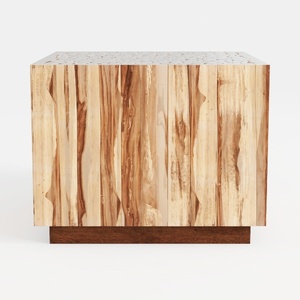

Minimalist Solid Wood Accent Cabinet with Textured Top 3D Model
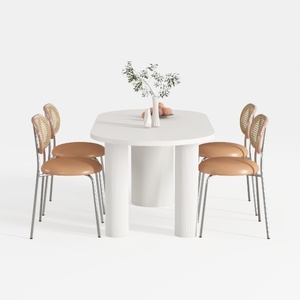
DUOMAY Modern Boucle Dining Chairs Set of 2,

OKD 48" Modern Farmhouse Coffee Table, Wooden
Homestyler is your go-to online home design platform, perfect for all skill levels. With its user-friendly design tool, stunning 3D renderings, and a treasure trove of DIY video tutorials, you can effortlessly create, visualize, and implement your dream spaces. Start transforming your home today!
Concevez maintenant gratuitement
































