

Throughout my experience planning and designing shoe walls and compact entryways, I've realized a key insight: effective shoe storage is less about the sheer number of shoes it can hold and more about aligning with the way we use spaces. Shoes tend to accumulate in areas where we naturally pause—such as by the entrance, beneath benches, or in close proximity to mirrors. Therefore, the most intelligent solutions, like those provided by Homestyler, facilitate this behavior rather than oppose it. Research from Steelcase reveals a correlation between visual clutter and disruptions in focus, with studies indicating that individuals may waste 10 to 15 minutes each day re-centering their attention after distractions. Implementing organized storage systems near these natural pause points can help mitigate such interruptions. Additionally, WELL v2, particularly its Light and Mind concepts, reinforces the connection between orderly spaces and a sense of tranquility, promoting organized visual field arrangements that could lower cognitive stress.
In multifunctional micro spaces, optimizing vertical space becomes crucial. According to Gensler’s studies on workplace environments, enhancing circulation space by merely 10 to 15% can significantly improve perceived spaciousness and ease of mobility. This principle easily applies at home: by keeping the floor clear, even a modest entryway can feel more expansive. Strive to choose racks that elevate off the ground or efficiently utilize wall space while maintaining a depth of 10 to 12 inches to ensure smooth circulation. Ideally, maintain a clear width of 36 inches at entries, which accommodates two-way passage comfortably. For optimal lighting, I adhere to IES guidelines, recommending levels of 300-500 lux for task areas—using a soft 300-400 lux at the entry enables identification of shoe colors and marks without harsh glare.
Key Design Principles for Compact Shoe Storage
Begin by conducting an accurate count of your shoes categorized by daily use, seasonal needs, and special occasions. I focus on the 6 to 10 pairs you use most frequently, while designating separate storage for off-season footwear. Accessibility is another critical factor; ensure that no stack exceeds two layers for easy reach, and utilize slanted shelving at a 30 to 35-degree angle to enhance visibility and facilitate drainage on rainy days. For color choices, I recommend light and warm storage finishes (such as off-white or pale greige) to make the area feel less cluttered; research from Verywell Mind suggests that light neutrals convey an open feel compared to darker shades that may appear heavier in visual perspectives.
Space-Saving Entryway Solutions
Wall-mounted flip-down cabinets are ideal for narrow hallways. Opt for designs with a depth of 5 to 8 inches; stacking two 24-inch wide modules can accommodate 12 to 16 pairs while remaining positioned 6 inches above the ground for easy cleaning. A slim bench with a depth of 10 to 12 inches combined with an underneath shoe cubby provides both an area to sit and concealed storage—just ensure cubby heights are approximately 5 to 6 inches for flats and sneakers, and 8 to 10 inches for boots. When designing a new foyer space, remember to chart the swing arc of the door and leave at least 2 inches of clearance from the door's edge to the rack to avoid any damages. Utilizing an interior layout planner like Homestyler can aid in simulating proportions and circulation patterns before making any purchases.
Effective Strategies for Small Closet Shoe Storage
Maximize vertical storage in closets for shoes. I suggest using pull-out metal trays positioned beneath shelves for daily pairs, reserving upper compartments for less frequently used options in labeled boxes. Slanted shelving with a height of 12 to 14 inches per level can accommodate most sneaker and loafer styles; include one bay with a clearance of 18 to 20 inches specifically for taller boots. Aim for walkways of 42 to 48 inches in reach-in closets; narrower spaces may lead to challenges with hangers. Ensure that lighting at 300 to 400 lux is installed along the vertical plane of the shoe wall—LED strips with a warmth of 2700 to 3000K provide an accurate color view without the harshness of cooler light tones.
Innovative Under-Stair and Niche Conversions
The space beneath stairs offers hidden potential. Custom drawers on full-extension slides (18 to 22 inches deep) can securely store seasonal shoes while keeping them dust-free. I recommend varying the front heights of storage to maintain a visually appealing rhythm—6 inches for flats and 8 to 10 inches for ankle boots. In narrower niches, ladder-style racks with a footprint of 12 to 14 inches create an open feeling, while open racks benefit from nearby acoustic treatments; a wool runner or felt panel can help dampen sounds in echoes-prone areas.
Maximizing Utility in Micro-Apartments
In tight living situations, the best approach is to merge functionalities. An ottoman positioned at the entrance can discreetly store 4 to 6 pairs while serving as additional seating. Media storage units can take on a shoe-storing role by using lower shelves effectively and incorporating perforated backing for proper air circulation. Maintain small gaps of 0.5 to 0.75 inches between shoes on enclosed shelves to promote quicker drying and discourage unpleasant odors.
Efficient Narrow Depth Racks That Perform
For truly limited depths, consider toe-in racks with angled shelves that place shoe heels against the back while lifting toes. This arrangement compresses the overall depth to approximately 7 to 9 inches. Incorporate non-slip ridges or shallow heel stops to avoid spills. If your household features a range of shoe sizes, assign separate bays per shoe length to prevent protruding toes from causing mishaps.
Managing Moisture, Odor, and Maintenance
Treat entryway storage like a wet area. Implement tray liners or slatted shelves to allow water drainage, and keep a concealed boot tray under a bench for slush storage. Store cedar blocks or washable charcoal inserts in enclosed cabinets. Pay attention to material selection: powder-coated steel and high-pressure laminate offer better resistance to marks, while solid wood is aesthetically pleasing but requires appropriate ventilation. Establish a nightly routine—keeping dirty shoes on lower racks and clean ones on upper racks drastically reduces your cleaning efforts.
Color Choices and Visual Serenity
Employ neutral tones on cabinet fronts paired with a single accent hue on handles or upholstery to maintain a calm visual flow. For families, incorporating soft color codes for cubbies—warm shades for adults and cool for children—ensures each person can easily locate their designated space. In confined entryways, placing mirrors above floating racks can reflect light and enhance spatial perception; however, balance luminance to prevent glare with diffused sconces set to 2700 to 3000K, aiding in a seamless transition from daylight to evening ambiance.
Sustainability Considerations in Material Choices
Opt for modular systems that can be reconfigured as your shoe inventory fluctuates, extending longevity. Seek out FSC-certified wood, recycled metals, and low-VOC materials. In high-traffic areas, textured laminates or compact laminate finishes are preferable for disguising scratches compared to glossy surfaces. Utilize felt pads under furniture to protect floors and minimize noise.
Pre-Purchase Planning Checklist
- Assess your current shoe collection and anticipate future increases (seasonal changes and new activities).
- Measure the narrowest passage width and the swing arc of doors.
- Identify what items need easy access versus those suitable for deeper storage.
- Choose a finish palette that harmonizes with wall colors for a streamlined visual appearance.
- Aim for illumination levels of 300 to 400 lux at the shoe area and prioritize warm LED options (CRI 90+ for precise color rendering).
- When planning anew or remodeling, test various configurations using an interior layout planner like Homestyler to ensure clearances are adequate.
Comprehensive Buyer’s Guide: Formats Tailored to Your Needs
- Flip-down cabinets (depth of 5 to 8 inches): Excellent for compact spaces; moderate capacity; minimizes visual confusion.
- Ladder racks (footprint of 12 to 14 inches): Lightweight and airy; easy to reposition; suitable for rental properties.
- Benches with cubby storage: Provides seating; well-suited for families; consider washable materials.
- Pull-out trays: Ideal for closets; optimizes vertical storage; simplifies viewing.
- Custom under-stair drawers: High capacity; designed for seasonal footwear; fully customized options available.
Crucial Details You Might Overlook
- Integrate toe kick lighting beneath floating racks to subtly illuminate nighttime entries without harsh glare.
- An open shelf at ankle height for damp pairs promotes drying and protects enclosed storage.
- Discreet labels placed on the inside edge of shelves can facilitate quick morning exits during the week.
- Keep a compact cleaning kit—brush, wipes, and spare laces—in a concealed drawer for convenience.
Frequently Asked Questions
Design your layout to accommodate your everyday shoe usage—generally 6 to 10 pairs should be easily accessible, while infrequently used or seasonal footwear can be stored deeper.
Maintain a depth of 7 to 9 inches for angled toe-in shelves. For flat shelves, keeping a depth of 10 to 12 inches will avert shoe overhangs into traffic areas.
Ensure sufficient lighting of approximately 300 to 400 lux at the shoe rack to easily discern colors and cleanliness without causing glare. Warm-colored LEDs within 2700 to 3000K are ideal for entryways.
Materials like powder-coated steel, high-pressure laminate, and compact laminate fronts are resistant to both moisture and scratches. Incorporate slatted surfaces or trays to promote drainage and airflow.
Preserve airflow by leaving gaps, rotate charcoal or cedar inserts regularly, and store wet shoes on open shelves until they're completely dry.
For comfortable navigation, strive for a minimum width of 36 inches in entryways, which can be preserved by opting for wall-mounted or shallow-depth racks.
Allocate one taller bay (18 to 20 inches clearance) for boots, utilizing hanging clips for long shafts, and ensure trays are present during wet periods for effective drainage.
Indeed—you can leverage a room design visualization tool like Homestyler to assess dimensions, door swings, and sightlines, ensuring proper clearances before committing to any installations.
Employ light neutral tones for cabinet facades and walls to lessen visual bulk while including an accent color in hardware or cushions to maintain a vibrant personality without overcrowding.
Certainly. A 10 to 12 inch deep bench featuring hidden cubbies combines storage with seating. Be sure to specify materials that are resistant to moisture and easy to clean.
Assign specific bays per individual, subtly color-coding spaces while keeping a limit on daily shoe quantity per person in the entry; overflow can be managed by utilizing bedroom or closet dedicated storage.
Incorporating a dense runner, felt pads beneath furniture, or placing an acoustic panel nearby can significantly reduce noise from heels and create a more tranquil entryway.
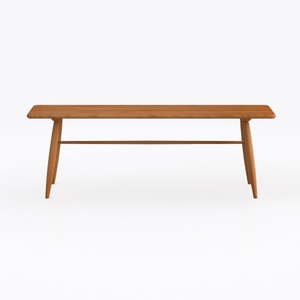
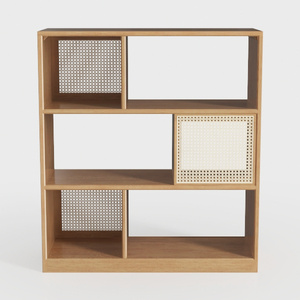
Minimalist Japandi Solid Wood Rattan Bookshelf 3D Model

Minimalist Solid Wood Console Table with Lower Shelf and Drawers 3D Model
Homestyler is your go-to online home design platform, perfect for bringing your ideas to life! With its user-friendly design tool, stunning 3D renderings, and a rich collection of DIY video tutorials, you can easily create and visualize your dream spaces. Transform your home today!
Design Now for FREE
































