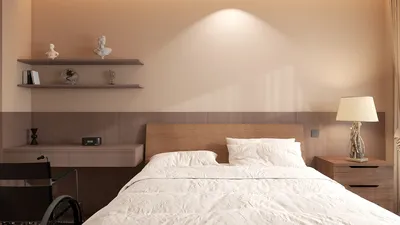


Consultation rooms are designed to handle a significant amount of responsibility. They play a vital role in alleviating anxiety, facilitating meaningful discussions, ensuring privacy, and allowing professionals to operate efficiently. To create these spaces, I focus on harmonizing human factors, acoustic quality, lighting, and spatial arrangement, enabling both clients to feel at ease and practitioners to excel in their roles. Studies consistently indicate that the environment can influence results significantly. For instance, Steelcase reveals that well-designed environments that prioritize focus and privacy can decrease cognitive load and interruptions, leading to enhanced performance and satisfaction among knowledge workers. Furthermore, WELL v2 establishes a connection between environmental factors—such as light, sound, and ergonomics—and improved health and productivity through specific optimizations.
The role of lighting and color in emotional management cannot be overlooked. The Illuminating Engineering Society suggests lighting levels of 300–500 lux for most task areas, with 500 lux recommended for reading and writing tasks, while softer levels should be used in relaxation spaces to minimize glare and eye strain. Research on color psychology indicates that muted greens and gentle blues contribute to a slower heart rate and reduced stress levels, while vibrant reds can increase arousal—best used as accents rather than primary colors. Both WELL v2 (in its Light and Mind concepts) and IES standards emphasize the need for glare reduction, appropriate color temperatures (usually within the 3000–4000 K range for consultation rooms), and ample natural light wherever possible. Explore IES guidelines for illuminance targets and glare management, and learn about WELL v2’s holistic criteria for light and acoustic comfort.
Key Design Principles for Creating Efficient Consultation Rooms
To begin, I establish a behavioral brief to understand who will be utilizing the room, the expected duration of their stay, and the necessary privacy considerations. This helps me determine the room's spatial allocation—entry buffer, seating area, workstation, storage, and additional equipment—ensuring ease of movement and clear boundaries. Typically, I dedicate 60–65% of the space to the conversation area, 20–25% for circulation and buffering, and the remaining space for storage and support. This careful distribution prevents the main seating or table arrangement from becoming imposing.
Lighting: Enhancing Comfort, Clarity, and Control
Light layers should be designed to suit both the task at hand and the desired ambiance. I incorporate an indirect ambient layer providing 300–350 lux, a dimmable task layer for the clinician’s side (up to 500 lux at the work surface), and a low-glare accent light for the client’s side (150–250 lux) to alleviate visual strain. A color temperature of 3000–3500 K is ideal, delivering warmth without altering skin tones. Lighting fixtures should be arranged to ensure faces are evenly illuminated for clear and empathetic eye contact—avoiding harsh downlights directly above seating. I also recommend implementing localized dimming and a scene control system with at least three presets: intake, discussion, and review. For scientifically backed guidance on illuminance and glare (UGR), align with IES recommendations and features from WELL v2.
Ensuring Acoustic Privacy and Speech Clarity
Maintaining confidentiality is essential. I aim for a composite sound transmission class (STC) rating of 45–50 for partitions, constructed full-height to the structure and outfitted with acoustically sealed doors. Inside the room, achieving a noise reduction coefficient (NRC) of 0.70 or higher across at least 25–40% of the surfaces (including ceiling clouds, wall panels, and upholstered furnishings) helps to minimize reverberation. Incorporating sound masking in adjacent corridors can also further safeguard speech confidentiality. This approach successfully enhances speech privacy while fostering a serene acoustic setting that avoids excessive dampening.
Ergonomics and Considerations for Human Comfort
For comfort during extended sessions, chairs should offer a recline of 95–110°, adjustable seat heights (between 16–20 in / 41–51 cm), and lumbar support. A desk, if necessary, should maintain a height of 28–30 in (71–76 cm) to accommodate most adults, complemented by a footrest for shorter users. It's crucial to retain a knee clearance of 18–24 in (46–61 cm) and to allow 30–36 in (76–91 cm) for circulation around furniture. The setup should facilitate an eye-level conversation without creating a dominant 'power seat'—typically, placing two comfortable lounge chairs 42–54 in (107–137 cm) apart around a small table achieves a balanced and approachable atmosphere.
Utilizing Color Psychology and Material Choices
To ease anxiety for clients, using soft neutral tones combined with desaturated blues, greens, or earthy colors can create a calm environment. Research from Verywell Mind illustrates that blue and green tones foster tranquility, while vibrant reds and oranges might increase arousal—these should be used sparingly in sensitive discussions. Materials should convey care and functionality, featuring tactile woven textiles capable of withstanding over 80,000 double rubs, matte finishes to minimize glare, and warm woods or low-VOC laminates for a welcoming ambiance. In high-contact areas, choose wipe-clean, healthcare-grade fabrics and opt for water-based, low-VOC finishes to ensure healthy air quality.
Optimizing Layout Logic and Spatial Flow
The most effective rooms promote open body language and effortless eye contact. Seating should not be positioned directly against walls; a 6–12 in (15–30 cm) offset offers a more inviting, home-like feel rather than a sterile clinical environment. Angle chairs 5–15° inward to provide a less confrontational arrangement. When work surfaces are needed, position them to the side to prevent acting as a physical barrier. For planning arrangements, I often utilize quick iterations with an interior layout planner to visualize sightlines, door swings, and acoustic panel distributions, using innovative tools like Homestyler to enhance room design.
Prioritizing Privacy, Safety, and Accessibility
Ensure there is a clear egress route, placing the clinician’s seat nearest the door when safety protocols necessitate it, while also ensuring clients don’t face away from the entrance, as that can heighten anxiety. Employ door closers with soft seals for quiet operation and install occupied indicators to avert unintentional interruptions. Accessibility features should include a turning radius of 60 in (152 cm) and a minimum clear door width of 32 in (81 cm). Opt for hardware with lever handles requiring operational force of 5 lbf or less to foster universal access.
Integrating Technology Without Overpowering the Space
In the context of telehealth and remote consultations, reliable audiovisual setups are essential but should not overwhelm the room’s aesthetics. Install a discreet camera at eye level and a 43–55 in display screen for collaborative reviews, ideally within a 5–8 ft viewing range, supplemented by acoustic treatments behind and opposite the display to control reflections. Employ effective cable management and utilize wireless peripherals to keep surfaces clutter-free. Each seat should be equipped with two conveniently accessible outlets and a USB-C port, alongside a quiet, fanless mini PC or thin client for minimal noise disruption.
Incorporating Biophilia and Managing Daylight
Natural light contributes to stress reduction but requires management. Implement dual-layer shading solutions: light-filtering options to minimize glare and blackout curtains for sessions where privacy is critical. Introduce real or high-quality preserved plants with diverse textures, as even modest biophilic elements can enhance perceived comfort. For spaces devoid of windows, backlit nature imagery with 3000–3500 K edge lighting can soften the room's ambiance without falling into common cliches.
Storage Solutions and Managing Clutter
Visual clutter can undermine tranquility. I recommend integrating wall cabinets with depths of 12–16 in (30–41 cm) featuring soft-close mechanisms, along with a lockable drawer for sensitive materials. Limit open shelving to a small area to allow for personal decorative elements—like books or artwork—to keep the space feeling personalized yet organized. Cable management solutions or floor grommets should be utilized to avoid both trip hazards and visual clutter.
Focusing on Sustainability and Health
It's vital to prioritize the use of low-emission materials (for flooring, adhesives, and paints), use FSC-certified wood when possible, and employ LED lighting with L90 rated for at least 50,000 hours. If building codes allow, introduce operable windows or a small vent; otherwise, ensure adequate air changes per hour through coordination with facility teams. Durable materials can decrease replacement intervals while reducing embodied carbon over time.
Room Size Recommendations
For one-on-one consultations, a size of 8 x 10 ft (2.4 x 3.0 m) works well with lounge seating and a side table; expanding to 9 x 12 ft (2.7 x 3.7 m) accommodates a small desk as well. For family or team meetings, a room of 10 x 14 ft (3.0 x 4.3 m) is beneficial or even larger. Remember to keep doors clear of furniture and ensure at least 36 in (91 cm) of circulation space.
- Two lounge chairs with a seat height of 18–20 in and supportive arms
- A low table measuring 15–18 in in height, with a diameter of 20–24 in
- A side console set at 28–30 in in height for equipment and note-taking needs
- Install acoustic wall panels (NRC ≥ 0.80) at primary reflection points
- Use an area rug with a dense pile for effective footfall absorption (ensure that transitions comply with ADA standards)
- Incorporate dimmable, indirect pendant lights or wall washers along with a task lamp emitting 3000–3500 K LED light
Commissioning and Fine-Tuning After Occupancy
Post-installation, I assess illuminance levels, examine for veiling reflections on screens, adjust the acoustic balance, and gather user input. Minor tweaks—like adjusting chair angles, optimizing scene settings, or integrating a single wall absorber—can sometimes transition a space from acceptable to outstanding.
Frequently Asked Questions
Q1. What are the ideal lighting levels for consultation rooms?
A1. Aim for an ambient lighting level of 300–350 lux with dimmable task lighting reaching up to 500 lux at the work surfaces. Maintain a color temperature around 3000–3500 K, and control glare through indirect distribution and shading.
Q2. How can I ensure speech privacy is upheld?
A2. Utilize full-height partitions with an STC rating of 45–50, seal entry points, specify acoustic doors, and ensure NRC 0.70+ absorptive finishes are applied on 25–40% of surfaces. Sound masking in corridors adds an extra layer of confidentiality.
Q3. What is the recommended room size for one-on-one consultations?
A3. A space of 8 x 10 ft (2.4 x 3.0 m) comfortably accommodates two lounge chairs and a side table. For added functionality, a 9 x 12 ft (2.7 x 3.7 m) area provides increased flexibility and circulation.
Q4. Which colors are best for reducing anxiety?
A4. Opt for desaturated blues and greens, warm neutrals, and soft earth tones to foster a calming effect. Use high-chroma colors sparingly; intense reds and oranges can heighten arousal and may be confrontational in sensitive discussions.
Q5. What ergonomic details should be prioritized?
A5. Implement chairs with a recline of 95–110°, adjustable heights, and arm support; ensure 30–36 in of space around furniture; and utilize table heights of 28–30 in with adequate knee clearance of 18–24 in.
Q6. What is the best way to integrate technology without overwhelming the room's atmosphere?
A6. Keep displays within the range of 43–55 in and set at appropriate viewing distances, position cameras at eye level, add discreet acoustic treatments around screens, and conceal cables. Each seat should have accessible power sources and USB-C options.
Q7. Which acoustic treatments are the most effective?
A7. Combine ceiling absorbers, wall panels placed at primary reflection points, upholstered seating, and area rugs. Relying solely on small panels is ineffective; comprehensive coverage and NRC ratings are crucial, regardless of decorative intentions.
Q8. How can I efficiently plan the room layout?
A8. Start by defining the conversation area, placing seats slightly angled with a clear path to the door, and position work surfaces off to the side. Use a simulation tool like Homestyler for testing chair spacing, door swings, and panel placements.
Q9. Are there specific sustainability measures for consultation rooms?
A9. Absolutely—utilizing low-VOC finishes, durable upholstery, energy-efficient LED lights, FSC-certified wood, and modular carpet options for easier replacement can all help to lower environmental impact and lifecycle costs.
Q10. How can I minimize glare on screens and eyewear?
A10. Prevent downlights from being directly above seating, employ indirect or wall-wash lighting, specify matte finishes, and orient displays perpendicular to windows. Adjustable shades can also help manage incoming daylight.
Q11. Should a table be placed between the seats?
A11. A small, low table is useful for holding items like water or tissues without creating a visual barrier. If a larger desk is necessary, it should be offset to the side to maintain the openness of the clinician-client connection.
Q12. What post-occupancy assessments should I conduct?
A12. After occupancy, check light levels, listen for sound issues, verify door functionality, confirm technology alignment, and survey users 30 and 90 days post-occupancy regarding scene tuning, seating arrangements, and acoustic coverage.
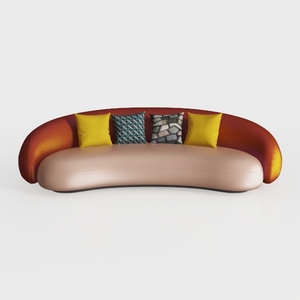
Modern Two Tone Fabric Curved Sofa With Decorative Throw Pillows 3D Model


Rustic Solid Wood Geometric Octagonal Coffee Table 3D Model
Homestyler is your go-to online home design tool, perfect for making your renovation dreams a reality. Featuring stunning 3D renderings, diverse design projects, and easy-to-follow video tutorials, it empowers everyone from novices to pros to create beautiful interiors effortlessly.
지금 무료로 디자인하세요
































