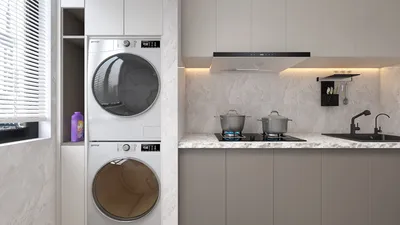


When it comes to designing Kerala kitchens, I prioritize two main aspects: functionality suited for a humid climate and a tranquil aesthetic that resonates with coastal living. The design choices are based on solid research: effective task lighting at the countertops should provide the recommended illuminance levels to prevent eye strain and mistakes; utilizing guidelines from the IES serves as a dependable foundation for these task areas. To enhance ergonomics, the positioning of counters and storage should align with human factors to reduce the risk of repetitive strain; insights gathered from the Herman Miller ergonomics library advocate for creating spaces that promote neutral postures and comfortable reach zones. Incorporating tools like Homestyler can help visualize these aspects effectively.
Kitchen behavior often follows a specific sequence: preparation, cooking, plating, and cleaning. In my renovation projects, while I maintain a compact work triangle, I often adapt this concept into distinct work zones tailored for homes with multiple cooks. The arrangement of these zones correlates directly to productivity; research from Steelcase indicates that clear spatial organization and dedicated task areas help minimize cognitive load, which is crucial in kitchen design: well-defined zones lead to clearer minds. Moreover, lighting plays a significant role in setting the mood and influencing the visual appeal of food, as research on color psychology points to warmer tones enhancing appetite and comfort. Therefore, I choose LED lights in the range of 3000–3500K for food preparation and dining spaces.
Key Design Considerations for Kerala Kitchens
The coastal environment of Kerala, with its high humidity and salt-laden air, necessitates kitchen cabinets that can withstand swelling, corrosion, and mold growth. I recommend using marine-grade plywood with a Boiling Water Proof (BWP) rating for cabinet frames, choosing high-pressure laminates with antifungal cores, and selecting hardware made from SS 304 or SS 316 to cope with coastal conditions. Additionally, incorporating soft-close, sealed hinges will enhance durability in moist climates. Internally, strategic ventilation gaps at plinths and backs are essential for minimizing moisture accumulation and aiding in appliance heat dissipation. Tools like Homestyler assist in planning these details efficiently.
Effortless Space Planning
A thoughtfully designed kitchen optimizes workflows by minimizing unnecessary steps and reaches. My design involves mapping out three zones: daily-use spaces (0–600 mm from the front edge), occasional use (600–900 mm), and long-term storage (above eye level or in deep corners). I prefer a counter height of 750 mm for standard users when accommodating Indian cookware and pressure cookers; for taller clients, heights of 820–860 mm are more suitable. Dish-drying cabinets situated above the sink are practical if they include drip trays and concealed drainage. When evaluating designs for traffic flow, I leverage a digital layout tool like Homestyler to help clients envision spacing around open doors and drawers.
Cabinet Styles: A Blend of Modern Elegance and Local Character
I gravitate towards flat-panel or slim shaker doors, as they offer a tidy appearance that is easy to maintain. The artisanal legacy of Kerala harmonizes beautifully with rattan or wicker inlays for ventilated doors, which are perfect for storing root vegetables and onions. While natural wood veneers add charm, I prefer utilizing UV-cured finishes or reconstituted veneers for added stability. In budget-conscious situations, matte laminates in colors like sand, sage, or off-white can also provide a serene look. To create contrast and depth, I introduce teak-toned accents in open shelving or trims, ensuring they are sealed against moisture.
Materials Built to Withstand Humidity
For kitchen components, I lean towards BWP-grade plywood featuring edge banding, plus silicone-sealed sink cabinets. For doors, high-pressure laminates or acrylic-faced shutters over moisture-resistant cores work best. Countertops made from quartz or dense granites (such as Black Galaxy or Steel Grey) require proper sealing, with kerbs around wet zones to safeguard edges. I use large-format porcelain tiles or quartz slabs for backsplashes to minimize grout lines, while marine-grade stainless steel or powder-coated aluminum handles are optimal choices—I avoid raw brass unless appropriately lacquered. For drawer systems, I select galvanized or stainless materials with a soft-close and anti-rack features.
Lighting: Clarity and Comfort in the Kitchen
It is crucial for prep surfaces to receive consistent, glare-free illumination. I install under-cabinet LED lighting providing 300–500 lux over work areas, adhering to IES standards for task lighting. Maintaining a color temperature of 3000–3500K along with a CRI of 90+ ensures accuracy in food color representation. I incorporate a trio of lighting layers: ambient ceiling lights (downlights or coves), focused task lighting (under-cabinet strips with diffusers), and atmospheric accents (toe-kick lights for safe navigation at night). Managing glare is important—exposed diodes should not be directly visible. Employing dimmers allows the kitchen to transition from a vibrant prep space to a tranquil dining area.
Ergonomics and Efficient Workflow
Effective ergonomic design begins with reach optimization: heavy pots should be stored at knee-to-waist level in full-extension drawers, while oils and spices are ideally placed near the cooktop yet away from direct heat. The dishwasher should be located next to the sink to prevent water spills across the floor. For homes with multiple cooks, I recommend splitting the preparation area: adding a secondary sink or establishing a dedicated prep zone with at least 600 mm of clear landing space next to it. These adjustments will help reduce twisting and reaching, common culprits of discomfort according to ergonomic research.
Storage Solutions Tailored to Indian Cooking Needs
Deep drawers measuring 450–500 mm are ideal for accommodating kadais and tiffins, featuring adjustable pegs for flexibility. Tall pull-out units designed for storing bottles and spices should use narrow 150–250 mm dimensions flanking the cooktop. A ventilated veggie drawer made with cane or perforated metal fronts can help reduce condensation. Corner areas can incorporate LeMans trays or diagonal cabinets; if the budget is limited, I prefer to leave corners unused rather than creating cumbersome mechanisms. For microwaves, I recommend positions between 900–1100 mm to minimize spill risks, with wall ovens centered at a handle height of 900–1200 mm.
Managing Moisture and Enhancing Indoor Air Quality
Pairing the hob with an appropriate hood is vital; select a hood capable of capturing 1000–1200 m³/h for traditional Indian cooking methods and ensure proper ducting is installed, avoiding recirculation where possible. Under-sink cabinets should be equipped with water-leak sensors and lined with aluminum for added protection. Maintaining a 10–15 mm gap behind tall units allows for air circulation. Implementing low-VOC paints and utilizing compliant furniture boards can significantly improve indoor air quality, aligning with the WELL v2 framework's recommendations on emission standards.
Applying Color Psychology to Kerala Kitchen Spaces
The coastal light tends to be soft and diffused; therefore, hues like warm whites, muted greens, and sandy neutrals create a soothing atmosphere. Research in color psychology suggests that the color green can foster tranquility and equilibrium, making it ideal for spaces meant for family gatherings. I introduce a singular deep accent, such as an emerald backsplash or a navy island, balanced with natural textures like cane and honed stone for grounding effects.
Acoustic Considerations for Open Kitchens
Open-concept spaces tend to amplify noise. To counter this, I implement sound-dampening techniques, including cushioned door bumpers, felt pads under decorative items, and soft-close mechanisms. Integrating porous rugs in dining areas, fabric blinds, or acoustic panels near the breakfast nook can reduce echo. In addition, choosing quieter appliances and checking their dB ratings, alongside isolating dishwashers with side gaskets, can help mitigate kitchen noise levels.
Trends to Watch for 2024–2025
- Streamlined storage solutions: pocket doors to conceal small kitchen appliances that can be completely opened during food preparation.
- Stylish metal accents: brushed champagne or black stainless steel against warm laminate backgrounds.
- Dual-purpose islands: designs that serve as both dining and preparation spaces, featuring integrated power outlets and flush cooktops.
- Sustainable materials: a growing trend towards utilizing recycled content in laminates and environmentally friendly finishes.
- Contemporary slim shakers: 6–8 mm rails that harmonize a modern aesthetic with classic elements.
Budget-Conscious Design Strategies
Invest in areas where functionality is crucial, such as carcass components, fixtures, countertops, and lighting systems. To save costs, consider opting for laminate doors instead of acrylic ones, standardizing module widths to minimize waste, and limiting glass only to display zones. If an island feature is part of the plan, testing traffic flow early with an interior layout planning tool like Homestyler is essential to avoid costly modifications during installation.
Preferred Specifications for Kerala Kitchens
- Carcass materials should be BWP plywood with sealed edges and well-ventilated plinths.
- Door finishes in HPL matte or anti-fingerprint-treated UV veneer offer enhanced durability.
- Countertops ideally consist of 20 mm quartz or dense granite, featuring drip edges at sink cutouts for protection against moisture.
- Hardware must include SS 304/316 hinges and slides, with soft-close mechanisms for corrosion resistance.
- Lighting guidelines should follow 3000–3500K with a CRI of 90+, incorporating diffused under-cabinet strips maintaining 300–500 lux for effective task illumination.
- Ventilation should include a ducted hood proportional to the cooking style while incorporating protection against leaks beneath sinks.
- Health considerations include low-VOC finishes guided by WELL v2 standards for safer indoor air quality.
A Smooth Execution Sequence for Successful Projects
1) Finalize the kitchen layout and the list of appliances to be used.
2) Confirm carcass modules and service points such as plumbing and electrical sources.
3) Approve finishes under appropriate lighting samples at the installation site.
4) Fabricate the carcass followed by testing fitting before proceeding to doors and drawers.
5) Countertop measurements must be taken after the carcass has been installed; cutouts need to be validated on-site.
6) Proceed with lighting installation, sealing edges, and calibrating hinges and drawers.
7) Final touches: applying silicone at wet zones, adjusting doors as necessary, and labeling storage areas for efficient move-in.
Frequently Asked Questions
BWP plywood is ideal for carcasses, with moisture-resistant HPL or acrylic-faced shutters, accompanied by SS 304/316 hardware. Edge sealing and ventilated bases are crucial.
Aim for 300–500 lux with a color temperature of 3000–3500K while maintaining a CRI of 90+ for accurate color representation. Using diffused under-cabinet LED lighting minimizes glare and aligns with IES task-lighting recommendations.
Definitely; I typically adapt to create zones for preparation, cooking, and cleaning—particularly for homes with multiple cooks, as zoning alleviates congestion and enhances workflow efficiency.
Quartz and dense granite options like Steel Grey or Black Galaxy are high-performance choices. It is beneficial to have trivets nearby the cooktop while ensuring proper sealing of stone surfaces as recommended.
Utilize antifungal laminates, ensure adequate cross-ventilation through plinth vents or rear gaps, avoid tightly sealing wet items inside, and incorporate a ducted hood to help manage humidity effectively.
For areas with significant sea air exposure, SS 316 is preferable; otherwise, SS 304 suffices. I suggest using soft-close connectors and corrosion-resistant storage systems.
Start at heights of 820–860 mm for taller users; a counter height of 750–800 mm accommodates average heights well. For multiple users, consider a split-height island to cater to different preferences.
Implement soft-close mechanisms, prioritize quieter appliances by reviewing dB ratings, add softer elements within reach, and think about acoustic panels near the dining area.
Matte HPL with anti-fingerprint finishes effectively conceals smudges and resists micro-scratches, while glossy acrylic may require increased upkeep due to salt exposure.
Absolutely—incorporating aluminum base liners, waterproof seals, and small leak sensors are practical strategies. Keeping cleaning supplies organized in ventilated caddies prevents odor build-up.
Maintain clear circulation paths of 1000–1100 mm where two individuals work back-to-back, with a minimum of 900 mm in tighter spaces. Testing clearances using a layout planning tool before installation is advisable.
Warm whites, sandy tones, and muted greens are ideal choices; complementing these with an impactful accent like emerald or navy adds depth while maintaining a grounded aesthetic with natural textures like cane.
Homestyler is your go-to online platform for effortless home design. With its user-friendly design tool, stunning 3D renderings, and a wealth of design projects and DIY video tutorials, you can easily create and visualize your dream space—no prior experience needed!
立即免费设计
































