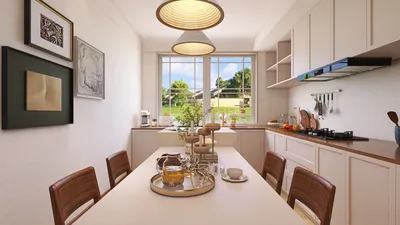


Unlike the multitude of trend-driven articles about Japanese bedroom aesthetics, my perspective revolves around an essential aspect: the influence of behavioral design and spatial circulation on your mood and overall well-being—not solely on appearance. While many designers concentrate on superficial features such as tatami mats and futons, it's evident from my experience that the unseen dynamics of movement and air within the room play a vital role. Did you know that a congested pathway could actually impair your sleep quality, regardless of how stunning the decor is? In this guide, I will delve into the scientific, practical, and emotional justifications for reevaluating your bedroom's spatial organization as the true key to creating a serene, Japanese-inspired sanctuary. A recent report from Statista highlights that the demand for minimalism and biophilic design has doubled globally since 2021—however, most homeowners overlook the importance of layout optimization. For those embarking on a new project or renovating, intentionally designing spatial flow presents an untapped opportunity. To visualize your dream Japanese-inspired room, consider using an AI Interior Design tool like Homestyler to experiment with soothing layouts.
What Does Genuine Japanese Bedroom Design Entail?
Authentic Japanese bedroom design transcends mere aesthetics; it is grounded in meaningful intention—each component aims to bring focus to the mind. Japanese design embodies a philosophy rather than just a style statement. According to ArchDaily, materials such as rice paper, cedar wood, and delicate linen help to merge the outdoors with indoor spaces, while the low bed placement reflects the idea of staying close to nature. In my view, the essence of Japanese authenticity is more significantly defined by spatial symmetry and emphasis on negative space than by any singular decorative item.
How Does Minimalism in Japanese Bedroom Design Enhance Sleep Quality?
While many designers present minimalism as merely a visual trend, research from HGTV suggests that open, uncluttered spaces can effectively reduce cortisol levels and foster better sleep. Unlike Western design trends that focus on standout furniture pieces, the Japanese bedroom is stripped down to essentials, providing a tranquil mind and serene atmosphere. Research indicates that minimizing visible storage—not just concealing clutter—is crucial for achieving a peaceful environment.
Which Natural Materials Enrich a Japanese Bedroom—And Why?
Based on my observations, the touch of materials such as tatami, hinoki wood, and bamboo significantly influences relaxation. Many guides may recommend these materials merely for their aesthetic appeal, but research by the NAHB highlights that they also help regulate indoor humidity and temperature. This unrecognized benefit contributes to a more restorative sleeping environment—often overlooked in standard online tutorials.
Why Is Spatial Planning More Crucial Than Décor in Japanese Design?
In contrast to typical room renovations, the distinguishing factor of Japanese bedroom design lies in the arrangement and flow of space. According to Harvard Health, inadequate bedroom flow (including furniture placement and pathways) can trigger subconscious stress responses. From a designer's standpoint, enhancing negative space between different areas of the room can restore cognitive clarity. To explore your current bedroom's potential, utilize a Room Planner tool for optimizing relaxation and meditation zones.
Can Compact Bedrooms Achieve Japanese Minimalism?
While most online advice tends to overlook small spaces, the principles of Japanese bedroom design are particularly well-suited for compact areas. Data from Dezeen indicates that small bedrooms, when designed with effective lighting and spatial flow, can feel twice as restful compared to larger, cluttered rooms. Micro-interventions—like wall-mounted nightstands, sliding doors, or under-bed storage—embody the ‘less is more’ philosophy with significant impact.
What Lighting Choices Enhance Japanese Zen in the Bedroom?
Contrary to the trend of bright overhead lights, Japanese design prioritizes a thoughtful mixture of layered, gentle lighting. Energy.gov research shows that soft ambient lighting (such as paper lanterns or indirect LEDs) aligns with circadian rhythms and promotes mood stability. Many guides overlook how directed lighting can create calm transitions from sleep to wakefulness—this is an important yet understated element of behavioral design.
How Can You Harmonize Tradition with Modern Comfort?
Unlike strict adherence to traditional tatami mats, I suggest integrating modern mattresses with Japanese-style bedding (like shikibuton covers and linen throws) to satisfy comfort needs. Drawing from my experiences designing compact homes in Los Angeles, blending these elements results in spaces that are practical yet immensely calming. This hybrid design approach opens up Japanese bedroom styles to global lifestyles while preserving its meditative essence.
Where to Begin: Visualization and Room Layout Tools?
In my experience, the most significant challenge is conceptualizing spatial changes before taking the plunge. Homeowners greatly benefit from visualizing digital layouts prior to implementation. To discover the optimal path to a Zen bedroom, start by utilizing a 3D Floor Planner that allows you to test various elements virtually, including features offered by tools like Homestyler.
Answer Box
Ultimately, Japanese bedroom design thrives not through superficial decorations, but through the careful orchestration of space, flow, and tactile materials to promote relaxation. Intentional layout planning—beyond mere aesthetics—provides tangible wellness benefits and deep, restful slumber.
FAQ
Conclusion: The Underrated Strength of Japanese Bedroom Design
In conclusion, the true essence of Japanese bedroom design lies in its focus on subtle aspects: spatial flow, negative space, and sensory experience. Unlike typical guides that regard style as merely a surface feature, my approach appreciates the often-overlooked influence of behavioral design—transforming not only your living space but your overall well-being. Are you ready to take your first actionable step? Start exploring Japanese-inspired designs with visual simulations for a Zen-like atmosphere, discovering how meaningful design can profoundly impact your space.
Discover the magic of home design with Homestyler! This user-friendly platform offers an intuitive online design tool, stunning 3D renderings, and a wealth of design projects, alongside inspiring DIY video tutorials. Transform your space effortlessly and unleash your creativity today!
تصميم الآن مجانا
































