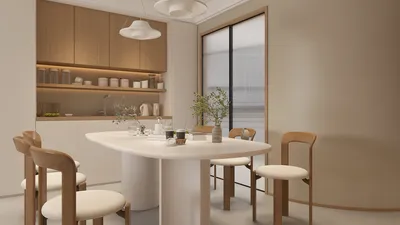


Island kitchen designs are increasingly favored in contemporary residences due to their blend of practicality and aesthetic appeal. An island in your kitchen can fulfill various roles: it can act as a cooking center, a dining spot, or a casual area for guests to congregate while you prepare meals. In this article, we will delve into various island kitchen configurations, their advantages, and some insightful design suggestions to help you craft your ideal space using tools like Homestyler.
Different Types of Island Kitchen Configurations
Island kitchen configurations come in multiple varieties, each catering to unique needs and tastes. The most prevalent types include the U-shaped, L-shaped, and galley designs, all of which can seamlessly incorporate an island. For instance, a U-shaped configuration offers generous workspace and storage, positioning the island as a pivotal element. In comparison, an L-shaped design promotes an open layout, enhancing social interactions during meal preparation. Finally, the galley layout excels in efficiency, enabling straightforward access to all kitchen zones while featuring an island.
Advantages of an Island Kitchen Design
One of the key advantages of adding an island to your kitchen is the extra countertop area it supplies. This feature is particularly useful for cooking enthusiasts and those who enjoy hosting gatherings. Additionally, islands can significantly boost storage capacity, providing room for cabinets and shelving beneath. An island also serves as a natural focal point that encourages interaction among family and friends. Have you ever found yourself crowded in a compact space? An island can define your kitchen's layout and contribute to a more spacious feel.
Design Suggestions for Your Island Kitchen
When planning your island kitchen, it is crucial to consider the dimensions and height of the island to ensure it complements your overall kitchen aesthetic. Employing a gentle, neutral color scheme with touches of blue can give the room an airy and tranquil ambiance. Don't overlook the positioning of appliances and their relationship to the island; it's essential to guarantee sufficient room for movement and a harmonious flow throughout the kitchen. What's your main hurdle when designing a kitchen with an island? We invite you to share your thoughts below!
Frequently Asked Questions
Here are some frequently posed questions related to island kitchen layouts: 1. How much space should I allocate for a kitchen island? Ideally, aim for at least 42 to 48 inches of clearance around the island to allow for easy movement. 2. Can islands be used as cooking stations? Absolutely! Numerous island designs can house a cooktop or sink, creating a functional cooking space. 3. What materials are recommended for kitchen islands? Common choices encompass granite, quartz, and wood, each providing distinct aesthetic qualities and durability.
Discover over 10,000 Free Home Design Inspirations with Homestyler

































