


Direct Answer
The interior design sector is steadily advancing, fueled by growth in housing projects, commercial refurbishments, and innovations in digital design technology. The demand for interior designers remains robust across residential remodeling, hospitality, healthcare, and corporate environments. Although the field can be competitive, professionals who integrate design expertise with digital visualization tools like Homestyler often find more reliable career prospects.
Quick Takeaways
Introduction
After over a decade in residential and commercial interior design, students and career changers frequently ask if the industry is truly expanding or becoming oversaturated.
The reality is that demand for interior design services is genuine but uneven. Certain segments experience rapid growth while others become saturated. Recognizing these patterns distinguishes designers who struggle from those who build sustainable careers.
One notable recent development is how technology and visualization platforms, such as Homestyler, have broadened access to design services. Clients increasingly expect interactive previews before construction starts, prompting many professionals to adopt digital workflows for room layout planning in residential projects.
This article explores where interior design is experiencing growth, which industries are recruiting designers, and how market demand impacts career opportunities and earnings.
save pin
Global Demand for Interior Designers
Key Insight: Worldwide demand for interior designers continues rising due to sustained construction activity and renovation investments globally.
Interior design opportunities closely mirror real estate development and remodeling cycles. When housing markets are thriving, interior designers benefit from increased work across new builds and renovations.
Reports from professional organizations highlight residential renovation as a major contributor to interior design work over the past decade. Even during slower construction phases, remodeling remains steady.
From my experience, three global trends consistently drive demand:
A frequently overlooked point is that interior design demand varies geographically. Major urban centers, tourist destinations, and rapidly growing suburbs generate considerably more jobs than smaller markets.
Residential vs Commercial Design Market Growth
Key Insight: Residential design generates the highest volume of projects, while commercial design commands bigger budgets and extended contracts.
Many assume interior design revolves mostly around homes. However, it splits into two main sectors, each with unique demand characteristics.
Residential Design
Commercial Design
Residential projects tend to occur more frequently, but commercial projects often involve larger fees and recurring agreements.
For example, hotel renovations can span months covering multiple areas, whereas residential assignments often focus on select rooms.
Thus, many seasoned designers choose to specialize in either sector rather than attempting to cover all areas.
save pin
Industries That Hire Interior Designers
Key Insight: Interior designers find employment opportunities in far more industries than commonly perceived.
While many students envision interior design mainly as home decoration, stable employment often lies within niche sectors.
Here are some prominent industries hiring interior designers:
Workplace design has expanded significantly as businesses rethink office layouts post-remote work shifts. Designers frequently collaborate with architects and planners to create adaptable office environments using tools akin to those used in digital office planning platforms like Homestyler.
This synergy among architecture, design, and technology is broadening the number of professionals employed in the field.
Technology and Trends Shaping the Design Market
Key Insight: Technological advances are transforming interior design faster than many education programs can keep pace with.
A decade ago, the norm involved sketches, mood boards, and static layouts. Today, clients expect immersive visualizations prior to breaking ground.
Three major technologies are reshaping designers’ workflows:
A critical yet often underestimated fact is that clients assess designers based on how effectively they visually communicate concepts. Those capable of producing photorealistic previews—using platforms similar to Homestyler for 3D home interior visualization—gain a competitive edge.
This evolution enhances transparency without diminishing creativity and helps avoid costly design miscommunications.
Sustainability is another emerging trend, with clients increasingly seeking eco-friendly materials, energy-efficient lighting, and modular furniture solutions.
save pin
Future Job Outlook for Interior Designers
Key Insight: Interior design careers are poised for stability, increasingly favoring specialized roles.
Government labor statistics and industry bodies forecast steady employment growth for interior designers, though the most promising prospects lie in niche specialties rather than broad general design services.
Fastest-growing specialties include:
A common pitfall for newcomers is attempting to target every client type. Typically, building deep expertise within a single sector fosters stronger reputations and steadier work.
Answer Box
The interior design field continues expanding, driven by renovation activities, real estate projects, and commercial design demands. Career resilience improves when designers specialize and incorporate modern visualization tools like Homestyler.
How Market Demand Affects Designer Income
Key Insight: A designer’s earnings correlate significantly with sector demand and type of project.
Not all projects yield equal financial returns. Based on my experience, income is influenced by three primary factors:
For instance:
Another critical element is efficiency. Designers who optimize digital layout planning, rendering, and revisions can handle higher project volumes annually.
This explains why adopting technology platforms is a growing competitive advantage throughout interior design.
save pin
Final Summary
FAQ
Is interior design a growing industry?
Absolutely. The industry expands due to ongoing housing projects, renovation investments, and rising commercial design needs.
What is the job outlook for interior designers?
Prospects remain stable, notably for those involved with residential remodeling, hospitality, healthcare, and office design.
Where are interior designers most in demand?
Demand peaks in major cities, booming suburbs, tourist hotspots, and regions experiencing robust housing growth.
Which industries hire interior designers?
Frequent employers include real estate developers, hospitality groups, corporate offices, healthcare institutions, and retail brands.
Can interior designers work remotely?
Many now provide remote services thanks to digital layout planning and 3D visualization tools such as Homestyler.
Do interior designers only work on homes?
No. Numerous professionals specialize in office spaces, hotels, healthcare facilities, and retail environments.
Is interior design a stable career?
Stability is achievable, especially for those focusing on expanding sectors and fostering client networks.
Does technology affect the interior design job market?
Definitely. Visualization, rendering, and digital layout tools have become indispensable in today’s interior design landscape.
Originally incubated at Autodesk, Homestyler has grown into one of the most widely adopted home design platforms in the world, now trusted by over 20+ million registered users (platform data, 2026). Whether you're a homeowner exploring ideas or a professional designer delivering client-ready renders, Homestyler brings industry-leading 3D technology to your fingertips — no experience required.

Minimalist Boucle Fabric Sofa Modern Tufted Living Room 3D Model
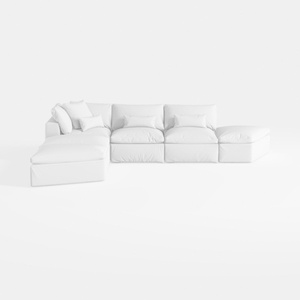

Minimalist White Fabric L Shaped Sectional Sofa 3D Model

Contemporary Brass Glass Acrylic Side Table 3D Model
Homestyler is an easy-to-use online platform that lets you create stunning home designs with powerful 3D rendering. Explore numerous design projects and learn through DIY video tutorials to bring your interior ideas to life effortlessly.
Concevez maintenant gratuitement










![[For my dearest Sabrinik 🧡]](https://hs-designs.homestyler.com/production/design/images/3f463715-5ed6-4c49-9346-16d464510aa6/1714085722568.jpg?x-oss-process=image/resize,w_502,m_mfit/format,webp)