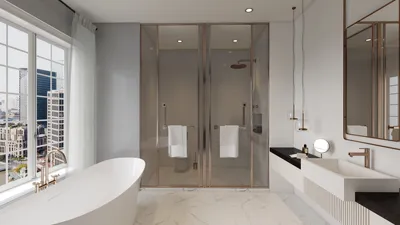


For over ten years, I have been sizing air-conditioning systems for various spaces, including homes, studios, and compact offices. Each summer, a common inquiry arises: does a 1.5 ton AC truly suit your room? The brief answer is that it varies based on factors such as room volume, envelope performance, solar exposure, occupancy levels, and internal heat gain. In many temperate urban apartments, a 1.5 ton unit (approximately 18,000 BTU/h) frequently serves as a practical option for medium-sized rooms. However, making an informed choice requires precise data and an understanding of comfort standards.
Comfort extends beyond merely regulating air temperature; it encompasses the interaction between radiant conditions, humidity, and airflow. WELL v2’s Thermal Comfort guidelines align with ASHRAE 55 standards, aiming to maintain operative temperature bands typically between 20–27°C with relative humidity from 30–60%. Furthermore, it emphasizes the importance of individualized control whenever feasible. Research from Steelcase suggests that thermal discomfort significantly contributes to productivity declines, correlating with decreased focus when individuals experience either excessive warmth or chill. These benchmarks necessitate the sizing of equipment to accommodate both sensible and latent loads, rather than solely relying on nameplate capacity.
I also refer to standards pertaining to lighting and heat gain: IES guidelines stress glare mitigation and vertical illumination, factors which indirectly affect cooling requirements as high-output lighting increases heat. A basic guideline suggests that traditional halogen or incandescent bulbs can contribute an additional 3–5 watts per square foot of internal heat gain, while modern LED lights reduce this figure to less than 1–2 watts per square foot, thereby lessening the cooling capacity needed. The fewer watts converted into heat, the less tonnage required to achieve comfort.
How to Determine if 1.5 Ton AC Is Suitable for Your Area
Begin by evaluating the area, volume, and quality of the envelope. A straightforward calculation generally allocates 20–30 BTU/h per square foot in mixed climates for average insulation and standard ceiling heights. A 1.5 ton unit, at 18,000 BTU/h, can effectively support spaces ranging from 600 to 900 square feet under moderate heat gains. However, this range becomes narrower when additional factors come into play:
When conducting audits in residences, I sometimes simulate layouts and solar trajectories prior to making equipment recommendations. Utilizing a simple room layout tool can facilitate planning for supply registers, return pathways, and necessary furniture clearances—leveraging a room design tool like Homestyler allows you to visualize airflow and avoid obstructing diffusers in your space.
Identifying Room Types and Typical Use Cases for 1.5 Ton Systems
Generally, bedrooms of 250–400 square feet featuring 8–9' ceilings with moderate glazing can effectively function with 1 to 1.5 ton systems, particularly split AC units equipped with inverter drives. Living rooms spanning 350–600 square feet, especially those connected to kitchens or corridors, may also require a 1.5 ton system, but one should monitor combined load scenarios since open designs may see peaks from cooking and occupancy. Small studios or conference areas ranging from 400 to 700 square feet could accommodate a 1.5 ton unit if lighting efficiency is maximized and windows properly shaded. For rooms with higher ceilings, more extensive glazing, or direct sun exposure, it may be beneficial to upgrade capacity or enhance the envelope beforehand.
The Importance of Inverter vs. Fixed-Speed AC Systems
Inverter air-conditioning units are capable of adjusting compressor speeds to align output with current load requirements. This results in more precise control over temperature and humidity, fewer cycling disruptions, and often enhanced comfort during partial loads. The principles of WELL v2 highlight the significance of personal comfort systems and adaptive control, which inverter units naturally facilitate by minimizing temperature overshoot and reducing drafts.
The Role of Humidity and Latent Load
Many clients fail to recognize the impact of humidity. The effectiveness of a 1.5 ton unit in terms of latent performance depends on multiple factors, including coil dimensions, airflow, and runtime. In coastal or areas with monsoon conditions, reducing fan speeds during humid periods can help increase moisture extraction efficiency. It's essential to maintain indoor relative humidity between 40–60% to mitigate musty odors, dust mite growth, and that clammy sensation on the skin. In instances of frequent cooking, showering, or indoor laundry, a dedicated dehumidification strategy can assist in preventing the AC from struggling with humidity control at the cost of thermal stability.
Impact of Glazing, Shades, and Color Choices
Heat gain closely intertwines with visual comfort. West and south-facing facades benefit significantly from exterior shading solutions, low-E window coatings, and multi-layered treatments. Color psychology also plays a role: cooler shades like soft blues and muted greens can lessen the perception of warmth, while bold reds and oranges can amplify the sensation of heat. These adjustments serve as helpful enhancements rather than substitutes for proper equipment sizing, contributing to a more pleasant thermal environment overall.
Distribution, Ductwork, and Diffuser Positioning
Relying solely on capacity won't resolve layout issues. Supply diffusers should direct conditioned air along the ceiling level, utilizing the Coanda effect for uniform mixing throughout the space. Return vents should be positioned away from supplies to prevent air short-circuiting. In renovated apartments, avoid directly blowing air onto seating areas or beds to lessen drafts. If you're rearranging furniture or adding room dividers, employing an interior layout planner can help optimize diffuser alignment and spacing—such a tool can even identify dead zones before any alterations are made to the structure.
Addressing Noise and Acoustic Comfort
Acoustic comfort is as critical as thermal comfort. A well-placed 1.5 ton split AC usually operates at 19–45 dBA indoors; however, portable and window units may exceed this range, especially on higher fan settings. It's advisable to keep indoor units away from reflective corners to reduce echoing effects and place outdoor condensers away from bedroom walls. In working environments, consistent HVAC noise poses a challenge to speech clarity; therefore, tuning fan speeds and considering the installation of acoustic panels can effectively manage reverberation in such cases.
Managing Energy Use with Advanced Controls
Incorporating smart thermostats, occupancy sensors, and shaded schedules not only conserves energy but also maintains comfort levels. Research from Steelcase and Herman Miller consistently highlights the relationship between user control options (like modifying fan speeds and adjusting set points) and perceived productivity, with enhanced controllability often leading to increased satisfaction without altering cooling capacity.
Determining When 1.5 Ton Is Insufficient
Consider upgrading from a 1.5 ton system if you have features such as vaulted ceilings exceeding 11', extensive west-facing glass, substantial equipment loads, or frequent gatherings that typically exceed 6–8 people. Prior to making an upgrade, focus on tightening the building envelope first: sealing any gaps, enhancing window systems, and adding outdoor shading. Reducing peak heat gains frequently proves more effective than simply increasing equipment size, which can result in short cycling and inadequate dehumidification.
Professional Path to Accurate Sizing
To ensure precise evaluations, employing a calculation method like Manual J (or a similar regional alternative) is crucial; this technique considers aspects like orientation, insulation quality, window configurations, and internal load factors. If you prefer guidance through the layout evaluation before contacting an HVAC professional, utilizing a room design visualization tool like Homestyler can be invaluable for assessing supply and return vent placements alongside furniture arrangements.
Discover frameworks for thermal comfort and their effects on workplace environments by consulting WELL v2 Thermal Comfort guidelines at wellcertified.com, as well as accessing Steelcase’s research database at steelcase.com/research for additional insights.
Frequently Asked Questions
Under typical conditions, a 1.5 ton unit can effectively cover areas ranging from 600 to 900 square feet with 8–9' ceilings and moderate glazing. However, this space shrinks if you encounter high solar exposure, increased occupancy, or poor insulation conditions.
Absolutely. Inverter systems seamlessly adapt output to align with load requirements, providing superior temperature and humidity control with reduced cycles and often lower energy consumption.
Expansive west/south-facing windows significantly contribute to solar gains, typically necessitating an additional 2,000–5,000 BTU/h at peak unless mitigated by shade or low-E glazing.
Yes, they do. High-wattage halogen and incandescent lighting increases internal heat gain; transitioning to energy-efficient LED lighting can minimize this heat accumulation, potentially enabling a smaller capacity or improved performance from a 1.5 ton unit.
It's important to maintain relative humidity in the 40–60% range. During humid periods, using lower fan speeds enhances dehumidification effectiveness. In climates with significant humidity, consider supplementary dehumidification strategies.
No, oversizing the unit may lead to short cycling, uneven temperatures, and ineffective dehumidification. Achieving better heat gain reduction and sizing accurately is preferable.
Position supply vents high on the wall or ceiling to facilitate air mixing, directing airflow along the ceiling rather than directly at occupants. Ensure returns are spaced away from supplies and clear of obstructions for optimal efficiency.
Quality split systems typically operate sound levels ranging from 19 to 45 dBA indoors. Opt for quieter fan settings in bedrooms and insulate outdoor units from noise emanating toward sleeping areas.
Indeed. Cool, muted colors can contribute to a calming environment and may lessen heat perception; conversely, vibrant, saturated colors might heighten the sensation of warmth, despite not altering actual thermal load.
Often, yes. Kitchens add additional heat loads from appliances and steam; open corridors may increase volume. You can either enhance shading and insulation or consider higher capacity solutions.
WELL v2 Thermal Comfort standards align with ASHRAE 55 recommendations for both temperature and humidity levels. Aim for operative temperatures within the range of 20–27°C and maintain relative humidity at 30–60% with local control options.
Not always. High fan speeds might hinder latent heat removal, resulting in damp air. Moderate fan settings generally provide a better equilibrium between temperature and humidity levels.
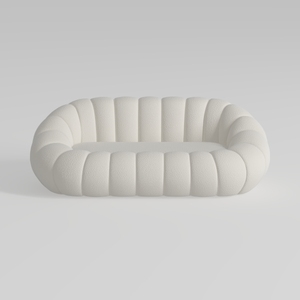
Minimalist Boucle Fabric Curved Sofa 3D Model
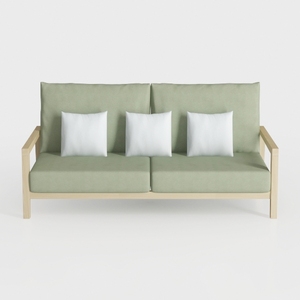

Minimalist Solid Wood Light Green Fabric Loveseat Sofa 3D Model
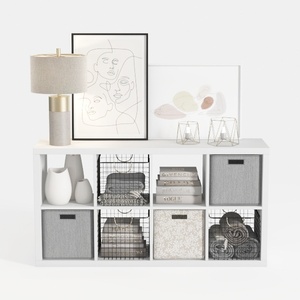
Modern Minimalist White Fabric Metal Storage Cabinet Console Table 3D Model
Transform your home design dreams into reality with Homestyler! This user-friendly online platform offers an intuitive design tool, stunning 3D renderings, a wealth of inspiring design projects, and helpful video tutorials. It's perfect for anyone looking to create their ideal space effortlessly!
Concevez maintenant gratuitement
































