

A common query that arises often is whether a double bed is smaller than a queen bed. The answer is yes—when considering both width and total sleeping surface. A standard double bed, frequently referred to as a full-size bed, measures around 54 inches in width and 75 inches in length, whereas a queen bed is larger at 60 inches wide and 80 inches long. This additional 6 inches in width and 5 inches in length translates to significantly improved shoulder clearance and foot room, particularly beneficial for taller individuals and couples. In my experience of designing bedrooms in both compact urban settings and spacious suburban homes, this distinction often influences the harmony of the room; it can either feel welcoming or cramped depending on the size of the bed.
Beyond basic dimensions, factors such as sleep ergonomics and user habits are critical. Research conducted by Herman Miller indicates that posture support and pressure distribution are key components affecting sleep quality. Longer mattresses, such as a queen, help alleviate toe compression for individuals who are over 6 feet tall (with a queen measuring 80 inches compared to 75 inches for a full). The WELL v2 guidelines also emphasize the importance of minimizing disruptions during sleep through strategic spatial planning and creating quiet zones—elements that are directly influenced by bed size and movement pathways. For context, typical primary bedrooms in newly built homes in the U.S. range from 200 to 250 square feet, while secondary bedrooms generally vary between 110 and 150 square feet. This data suggests that a queen bed is more suitable for the larger rooms available, whereas a double is typically more appropriate in the smaller spaces.
Key Mattress Dimensions
• Double (Full): 54" W x 75" L; ideal for single individuals seeking extra room. However, couples might experience close contact.
• Queen: 60" W x 80" L; the preferred option for couples, providing ample space and comfort.
• Full XL: 54" W x 80" L; less common, but perfect for taller single sleepers needing longer length along with narrower width.
• King: 76" W x 80" L; requires a spacious room and thoughtful planning for movement.
• California King: 72" W x 84" L; ideal for taller users, this size is slightly narrower than a standard king.
Minimum Room Sizes and Clearances
Adequate space around the bed is crucial for comfort: aim for at least 24–30 inches of circulation on each side and at the foot, with 36 inches being preferable for unobstructed movement and cleaning. In secondary bedrooms that measure about 10' x 10', a double bed allows for sufficient walking space and access to nightstands. For rooms sized 12' x 12' and larger, a queen fits comfortably alongside two nightstands and a dresser, avoiding interference with doorways or closets. If you are experimenting with layouts, a room layout tool like Homestyler can effectively visualize walking paths and door swings before you finalize your arrangements.
Ergonomics and Sleep Comfort
For individuals sleeping alone, a double mattress provides substantial side space while occupying less floor area. Couples enjoy the extra width of a queen to minimize shoulder compression and lessennighttime disruptions while shifting positions. If one partner tends to be restless, a queen's wider design reduces contact during movement. Those who are taller often feel restricted on a 75-inch length mattress; transitioning to an 80-inch option (queen or Full XL) can help resolve the problem of having toes hanging off the edge. It is essential to pair the chosen mattress size with a supportive foundation and a properly adjusted pillow to keep the spine aligned—research from Herman Miller demonstrates the correlation between proper support and overall health and wellness.
Lighting, Acoustics, and Color Psychology
Comfort in the bedroom extends beyond mere measurements. Quality lighting should maintain an ambient brightness of 200–300 lux for general activities, featuring warm bedside task lighting at around 2700–3000K to aid relaxation. Managing glare is essential: arrange fixtures to avoid direct sightlines from the bed. In environments with higher noise levels, using softer materials such as upholstered headboards, curtains, and rugs can help absorb sound and lessen disturbances during sleep. Color choices also play a significant role in restfulness; studies by Verywell Mind suggest that softer hues like gentle blues and muted greens can help lower stress, while vivid colors like bright reds can elevate energy—these should be utilized as accents rather than dominating the space.
Storage and Circulation Planning
The size of the bed impacts your storage approach. A double sets aside more floor space for wardrobes or larger dressers in compact areas, while a queen usually demands narrower nightstands and careful planning of closet door swings. To ensure functional access, keep at least 24 inches in front of storage units; consider using sliding doors or wardrobe systems to conserve space. In cases where space is limited, under-bed storage solutions or lift-up platforms can maximize volume without crowding the area. If you are weighing your options, utilizing an interior layout planner can help you evaluate different scenarios—simulating both double and queen layouts with a tool can clarify clearances needed.
Headboard, Frame, and Material Selection
Select frames with slender rails and flush legs to optimize space around the bed. Opt for rounded corners to reduce the risk of bumps when navigating tight areas—these slight details can significantly influence daily experiences. Upholstered headboards can soften acoustics and enhance tactile comfort, while wooden frames provide a classic, durable look. Choose sustainably sourced materials, such as FSC-certified wood or low-VOC finishes, which contribute to better indoor air quality. Be mindful of proportions: in rooms with lower ceilings, a shorter headboard can keep things looking balanced; whereas, in taller rooms, a slim, taller headboard can anchor the design without overwhelming the space.
Spatial Ratios and Visual Balance
Typically, a bed occupies 35–45% of a compact bedroom's area. If it exceeds 50%, the room begins to feel restricted—be cautious with queen beds in spaces under 110 square feet unless the layout allows for efficient circulation and door functionality. Creating symmetry with aligned nightstands and centered fixtures can foster tranquility; in situations where windows or doors are off-center, consider using asymmetrical art or a larger singular nightstand paired with a floor lamp to maintain balance.
Common Scenarios I See
• Compact guest room (10' x 10'): Opt for a double, include two small nightstands, and maintain a 24-inch clearance around. Introduce under-bed storage and wall-mounted lighting to conserve surface space.
• Primary bedroom (12' x 14'): A queen bed with two nightstands, a dresser across, while ensuring that circulation at the foot remains at least 24 inches.
• Tall single individual in a studio: A Full XL accommodates length needs without occupying as much space as a queen. Combine it with a slimmer wardrobe and ceiling-hung curtains to draw the eye upwards.
Budget and Longevity
Double mattresses and their linens are typically less expensive; however, queen sizes are more prevalent in the market, offering greater variety in comfort layers and adjustable options. If you expect to frequently host overnight guests or have two regular users, investing in a queen will provide long-lasting comfort. Conversely, if space limitations are a crucial factor, a high-quality double mattress accompanied by supportive features and layered, tranquil lighting can deliver exceptional sleep without the need for a size upgrade.
Authority Lens
Design decisions can greatly benefit from established industry standards and validated research. The WELL Building Standard places importance on factors such as noise reduction, lighting that supports natural sleep cycles, and comfortable thermal conditions—all of which interplay significantly with bedroom layouts and bed sizes. Insights from Herman Miller emphasize the importance of choosing dimensions that alleviate pressure points and facilitate spinal alignment, especially for larger individuals and couples sharing a bed.
FAQ
Q1: Is a double (full) smaller than a queen?
A1: Yes, a double typically measures 54" x 75"; a queen is about 60" x 80". The queen provides an additional 6 inches in width and 5 inches in length.
Q2: Can two adults sleep comfortably on a double?
A2: It’s achievable for short periods, but most couples find the shoulder space restricted. A queen helps mitigate contact and enhances comfort during the night.
Q3: What’s the minimum room size for accommodating a queen bed?
A3: A room size of approximately 12' x 12' works effectively. For smaller spaces, ensure at least 24–30 inches of clearance on each side and at the foot, or reconsider a double.
Q4: I’m 6'2". Will a double provide enough length?
A4: Unlikely. A double offers 75 inches in length, while someone of your height would benefit from the additional 80-inch length of a queen or a Full XL.
Q5: How does lighting contribute to sleep in smaller bedrooms?
A5: Target an ambient light level of 200–300 lux along with warm task lights set at 2700–3000K. Minimize glare and utilize dimmers to enhance relaxation before bedtime.
Q6: Are there space-saving designs for queen beds?
A6: Yes, consider low-profile frames, thin-rail designs, and rounded corner options. Steer clear of bulky footboards. Utilize under-bed storage and wall-mounted lighting to optimize space.
Q7: Which color palettes promote a restful bedroom atmosphere?
A7: Softer desaturated hues of blue and green create a calming effect; high-saturation colors should be used sparingly. Incorporating soft textures further aids in creating a soothing environment.
Q8: How much clearance should I allow around my bed?
A8: It is advisable to plan for a minimum of 24–30 inches; 36 inches is optimal for easing movement, making the bed, and accessing storage solutions.
Q9: Is Full XL a good option for taller individuals?
A9: Yes, for taller single sleepers, it provides the length found in a queen (80") while maintaining the 54" width of a full bed, fitting well within tighter areas.
Q10: Will a queen bed dominate a 10' x 10' room?
A10: Quite possibly. While it can be arranged with minimal furnishings, many find movement awkward. A double more often strikes a better balance in this size room.
Q11: Do acoustic considerations influence bedroom design?
A11: Definitely. Soft furnishings, like upholstered decor, rugs, and curtains, absorb sound, minimizing disturbances at night and supporting quality sleep.
Q12: Are there eco-friendly options for bed materials?
A12: Yes, choosing materials like FSC-certified wood, low-VOC finishes, and durable fabrics promotes healthier indoor air quality and contributes to longer-lasting use.


HOMES: Inside + Out Lysandra Modern Bed Frame Quee
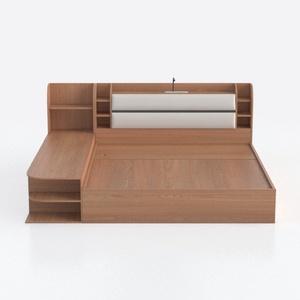
BOWERY HILL Walnut Brown Finished Wood Queen Size
PHI VILLA Accent Cabinet with Doors - Sideboard
Homestyler makes home design effortless and fun! With its user-friendly online design tool, stunning 3D renderings, and a treasure trove of design projects and video tutorials, you can easily transform your space into the home of your dreams—whether you're a novice or an experienced designer!
Progetta ora GRATIS
































