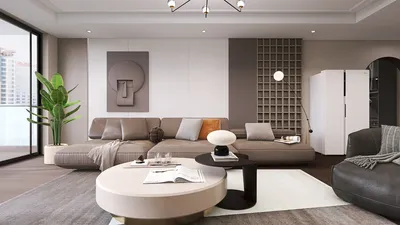


Iron room gates have transformed from cumbersome barriers resembling fortresses into elegant architectural features that provide reliable security while enhancing a sleek, modern look. In residential duplexes, converted lofts, and chic hospitality venues, a well-crafted iron gate can effectively manage access, delineate spaces, and add depth without diminishing the perceived size of the area. My experience indicates that achieving this balance relies on carefully considered proportions, glare-reducing finishes, and hardware choices that honor ergonomics and the typical flow of daily activity.
Effective design can be quantified by its tangible results. Research from Steelcase confirms that environments minimizing visual distractions and enhancing clarity can boost focus on tasks; utilizing transparent or semi-open iron gates to separate pathways aids in maintaining that clarity while preserving sightlines (Steelcase Research). Furthermore, from a wellness perspective, the WELL v2 standard emphasizes the importance of lighting quality and safe materials; opting for low-VOC finishes and matte paints on iron gates helps reduce glare and fosters visual comfort (WELL v2). These insights resonate with my project observations: when a gate's pattern density and finish are tailored to the light in the room, occupants navigate spaces with greater confidence, experiencing fewer distractions.
Iron gates also play a crucial role in shaping behavior. In homes accommodating multiple generations, a gate positioned between living areas and staircases can soften the transition, mitigating noise and speed. Research by Herman Miller underscores that effectively managed thresholds enhance movement and reduce unnecessary crossings (Herman Miller Research). Integrating a soft-close hinge alongside a lever handle at a height of 34–38 inches fosters accessibility and lessens physical strain, adhering to standard ergonomic principles (ergonomics.org). The appropriate pattern porosity—ideally 35–55% open area—allows air and light to flow while still providing a sense of boundary.
Essential Design Principles for Iron Room Gates
Proportion is a key element. Strive for a ratio between stiles and rails that conveys an impression of slimness while retaining structural integrity: stiles of 25–35 mm coupled with rails of 40–60 mm are effective in most residential settings. Vertical elements elongate visual lines, while a subtle bottom rail provides necessary grounding. In spaces with limited ceiling height, it's beneficial to maintain a lean gate and contemplate an arched top with minimal rise to elevate visual perspective without adding bulk.
Pattern, Transparency, and Visual Rhythm
The density of the pattern influences both privacy and ambiance. An open area of 40–50% typically strikes the right balance between security and visibility; denser meshes enhance privacy but may darken spaces and heighten echo. For contemporary designs, I favor linear patterns or refined geometric repetitions. To avoid visual disturbances from adjacent grids, steer clear of patterns that closely mimic one another. Establish a rhythmic look by using a primary spacing module of 1:2 or 2:3 across pickets, and replicate this in hardware backplates and the base trim, ensuring the gate integrates seamlessly with the room rather than appearing as an afterthought.
Material, Durability, and Sustainability
Mild steel remains a budget-friendly and easily weldable option; however, in coastal or humid regions, opting for galvanized steel or powder-coated stainless offers enhanced corrosion resistance. A matte or satin powder coat (10–30 GU gloss) effectively minimizes glare under LED lighting. It’s essential to choose low-VOC coatings that conform to WELL v2 guidelines. If sound quality is a consideration, incorporating cork or felt bumpers at contact points can dampen harsh metal sounds. For sustainability, it’s advisable to select recycled-content steel when possible and ensure designs allow for disassembly: bolted hinge plates and modular infill panels streamline maintenance and end-of-life separation.
Ergonomics and Safe Functionality
The placement of handles, force required to close, and the type of latches greatly influence daily interactions. Lever handles positioned between 34–38 inches suit the majority of adults and are accessible for children and senior users. A soft-close hinge or concealed hydraulic system minimizes slamming and safeguards edges. Where security is a priority, opt for a mortise lock with a thumb-turn interior and keyed access from the outside; for family homes, a privacy latch with emergency release is preferable. Ensuring a clear swing radius and employing offset hinges prevents fingers from getting pinched. Aim for a manageable door weight—keeping individual leafs under approximately 35–45 kg allows for smoother operation without requiring excessive closer force.
Illumination, Color Theory, and Glare Management
Iron can appear weighty if contrast is improperly handled. In living areas, where lighting is ideally set at around 300–500 lux (per IES recommendations), using soft blacks, charcoals, or warm bronze tones can help blend edges with timber floors. Choosing neutral colors for gates ensures they do not dominate the overall color scheme, while softer contrasts with walls allow the gate to be perceived as an architectural feature rather than a hindrance. Color psychology indicates that cooler dark hues impart a composed and protective vibe; while warmer shades can add a sense of approachability. Maintaining a low sheen helps in avoiding glare from downlights, particularly when utilizing high-CRI LEDs, as matte finishes ensure that the gate’s texture is perceived with elegance rather than harshness.
Acoustics, Privacy, and Behavioral Indicators
While iron gates do not absorb sound, their true function is behavioral—serving as a visual cue of a boundary rather than muffling noise. To enhance acoustics, combine the gate with nearby soft elements like rugs, upholstered seating, or acoustic panels positioned opposite the gate. In family settings, a gate at the bottom of the stairs can slow movement and minimize fast-paced traffic. In compact apartments, a slender iron gate situated at the sleep alcove delineates nighttime signals without obstructing light or airflow.
Spatial Layout and Circulation Strategy
Prior to fabrication, simulate swing arcs, clearances, and sightlines. Utilizing a room layout tool can assist in visualizing traffic patterns and proximity to furniture while preventing hinge conflicts. A recommended tool is the room layout planner. It is ideal to allow for a minimum 32-inch clear opening for regular use; 36 inches is preferable for accommodating furniture or strollers. In narrow corridors, a sliding iron gate featuring a concealed track helps maintain unobstructed passage.
Hardware, Hinges, and Finishing Touches
Hardware acts as the crucial interface of the gate. Choose durable solid brass or stainless steel components to ensure longevity, with finishes that either match or tastefully contrast the gate’s coat. Ball-bearing hinges operate quietly under weight; concealed hinges deliver a more polished appearance but require precise cabinetry and tolerance checks. Incorporating a bottom sweep or soft brush generates light privacy without adding visual density. Careful detailing of welds and rounded edges ensures smooth transitions, creating the impression that an iron gate is finely crafted rather than simply industrial.
Safety Standards, Codes, and Family-Friendly Features
In spaces frequented by children, ensure vertical picket gaps do not exceed 4 inches to mitigate head entrapment and climbing risks. Avoid substantial horizontal members that could encourage climbing. For pets, implementing a lower infill panel up to 18 inches can deter escapes without making the gate feel confining. It’s also important to ensure that latches are accessible for adults but challenging for young children; magnetic latches requiring two-step releases are effective while maintaining aesthetic appeal.
Installation and Upkeep
Measure twice and template once. Utilize a full-sized cardboard or MDF model to confirm swing and handle placement. On the installation day, ensure proper shimming for plumb alignment, while checking for consistent reveals around the frame. Routine maintenance involves using pH-neutral cleaners with a microfiber cloth; avoid abrasives that may damage the powder coat. Annual inspection of fasteners, light lubrication of hinges, and prompt touch-ups on paint chips will help prevent rust.
Use Cases: Residential, Hospitality, and Workplace
In home environments, iron gates positioned at staircases or kitchen doorways regulate flow and keep pets safe during cooking. In the hospitality sector, a sleek iron gate can elegantly frame a hidden corridor or exclusive dining area, suggesting privacy while preserving visibility. For studios and co-working spaces, gates can serve to designate quiet areas without erecting walls, thus respecting natural light and allowing for flexible reconfiguration as teams expand.
Referenced Authorities
For standards and research regarding performance, refer to WELL v2 for materials and lighting recommendations, along with the Steelcase research library for insights on behavior and layout. These sources align with how I specify iron gates: prioritizing safety, human-centric proportions, and finishes that harmonize with modern lighting solutions.
Frequently Asked Questions
Aiming for a 40–50% open area optimizes visibility, airflow, and clearly defines boundaries. Opt for denser patterns for added privacy, while lighter options enhance transparency.
Choose a matte or satin powder coat (10–30 GU) and avoid glossy finishes. Position downlights slightly forward to minimize specular reflections, consistent with WELL v2 recommendations for glare management.
Position lever handles between 34–38 inches to cater to standard ergonomic ranges, making them easier to reach for most adults and older children.
Indeed, sliding gates maintain clear circulation pathways and reduce pinch points. Employ concealed tracks and soft-close mechanisms for a sophisticated touch.
Opt for galvanized steel or stainless steel with high-quality powder coating to withstand corrosion. Ensure all seams are sealed and specify marine-grade fittings.
Iron inherently reflects light; focus on installing soft-close hardware while incorporating nearby absorptive elements like rugs, curtains, or panels to mitigate reverberation.
Allow for at least 32 inches for regular access; a width of 36 inches is ideal for accommodating furniture, strollers, and prams.
Maintain vertical picket gaps less than 4 inches, limit horizontal rails, and consider a lower infill height of up to 18 inches. Select latches that require two-step releases for added safety.
Absolutely. Pair matte charcoal or warm bronze finishes with textured walls and soft lighting. Ensure designs remain slim and proportions are elegant.
Clean using pH-neutral solutions, steering clear of abrasive materials, perform annual hinge lubrication, and promptly address paint chips to prevent rust from setting in.
Utilize a room layout tool to visualize swing arcs along with proximity to seating or storage to avoid hinge conflicts and facilitate smooth circulation.
For family areas, a privacy latch with emergency release is practical, while secure zones benefit from a mortise lock that features a thumb-turn on the inside and keyed access from the outside.


Modern Black Marble Top Metal Base Nesting Coffee Table 3D Model

Modern Marble Top Black Metal Legs Coffee Table 3D Model

Minimalist Solid Wood TV Stand Cabinet with Slatted Doors 3D Model
Homestyler is an outstanding online home design platform perfect for anyone looking to redesign their space. Its user-friendly online design tool, stunning 3D renderings, and extensive collection of inspiring projects and DIY video tutorials make creating your dream home both easy and enjoyable. Dive in today!
지금 무료로 디자인하세요
































