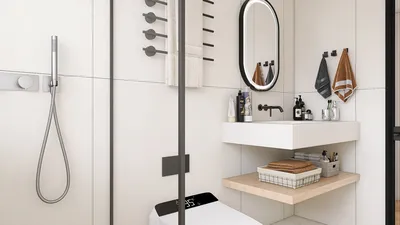


Selecting a small venue is often ideal for hosting events that feel personal, are budget-friendly, and manageable. The Reddy Bhavan Mini Function Hall is an excellent choice for intimate weddings, milestone birthdays, naming ceremonies, community gatherings, and focused corporate retreats—events that thrive on intimacy and seamless flow. According to workplace research conducted by Gensler, individuals prioritize face-to-face interaction for activities such as socializing and team bonding, making smaller venues highly effective for fostering personal connections. Additionally, studies from Steelcase indicate that well-planned intimate settings can minimize cognitive overload and enhance attention, particularly when acoustics and configurations are carefully tailored to the event's needs.
Creating the right atmosphere is just as important as the event timetable. Research in color psychology by Verywell Mind reveals that warm shades like soft amber and muted terracotta promote social bonding, whereas cooler colors such as gentle blues and desaturated greens help alleviate stress and stabilize moods—important for ceremonies and presentations. For lighting, the Illuminating Engineering Society suggests aiming for horizontal illuminance levels of around 300–500 lux in general gathering spaces, with increased lighting (up to 750–1000 lux) in areas where focus is required, such as cake cutting, signing ceremonies, or keynote speeches. WELL v2 emphasizes the importance of glare control and flicker-free lighting to prevent eye strain, a key aspect in compact venues where sightlines are limited. For further design guidance on creating healthy environments, you can refer to WELL v2’s specifications at v2.wellcertified.com.
Space Overview & Capacity
The Reddy Bhavan Mini Function Hall typically accommodates small gatherings of 50–120 guests depending on the arrangement of tables, stage size, and buffet setup. Generally, the ideal capacity is around 80–100 attendees, utilizing a mixed seating arrangement (banquet and theater) to maintain comfortable aisles and service paths. It’s important to ensure at least 1.2–1.5 meters of clearance for catering routes on one side to prevent crowding; the opposite wall can be utilized for a photo backdrop or audiovisual equipment. If you are considering different layout options, employing a room planning tool can assist in visualizing seating blocks, serving stations, and stage dimensions: interior layout planner.
Layout Approaches for Various Events
• Family Events: Arrange 8–10 person round tables around the perimeter, leaving a central dance floor (6–7 meters in diameter) if music is on the agenda. Position desserts and gifts away from the DJ to minimize cross-traffic.
• Ceremony Stage: Elevate the stage by 200–300 mm for better sightlines; ensure a depth of 3–4 meters for rituals and photography. An aisle width of 1.8–2.2 meters facilitates smooth processions.
• Corporate Events: Theater seating for up to 100 guests with two aisles enhances safe exit paths. If breakout zones are needed, designate two 4×4 meter areas with movable partitions; provide 600–750 lux lighting for tasks along with a well-organized audiovisual setup with clean cable management.
• Buffet Layout: A linear buffet set against a long wall with 1.5 meters of service space reduces waiting lines; consider adding dual service lines during busy periods. Ensure handwashing and drink stations are located 3–5 meters from exits to manage crowd flow.
Lighting & Sound Design
In smaller halls, lighting and acoustic comfort significantly influence perceived space. I recommend utilizing layered lighting: warm ambient colors between 2700–3000K for social warmth, neutral task lights at 3500–4000K in service and stage areas, and adjustable accent lighting for backgrounds. Minimize glare with diffused lenses and indirect lighting approaches. To ensure speech clarity, aim for a reverberation time of around 0.7–1.0 seconds; incorporating soft materials (like fabric backdrops, table runners, and sound panels) can help, while avoiding unbroken parallel hard walls. Positioning small subwoofers at the corners can minimize excessive bass; employing cardioid microphones effectively reduces feedback. This is crucial, as in smaller settings, clear audio is directly related to guest experience, a consistent conclusion supported by hospitality audits and workplace studies.
Materials, Décor & Color Considerations
Utilizing soft textures—such as linen tablecloths, sheer curtains, and felt panels—helps reduce noise and visually warm the space. For lively events (like birthdays or sangeets), I suggest leaning toward warm accent colors (peach, marigold, champagne) paired with neutral backgrounds (oatmeal, stone gray). In contrast, calm ceremonies or corporate meetings can benefit from cooler neutral palettes (slate, sage) accented with pale wood or brass elements. Verywell Mind’s research on color psychology supports this: red and orange tones enhance energy and social engagement, while blue and green tones promote tranquility and trust. It's best to keep reflective finishes minimal; high gloss can create glare under stage lighting.
Seating, Comfort & Accessibility
Chairs with a seat height of 440–460 mm and a slight back tilt of 5–10 degrees provide comfort for extended periods. If sessions are anticipated to last over an hour, planning for stretch breaks and placing water stations within 10–15 meters of seating areas is advisable. Aisles should be maintained at a minimum width of 1.2 meters, and ramps—if available—should follow a gentle incline for accessible entry. For elderly attendees, seating should be situated near exits and restrooms, while keeping a distance of 3–4 meters for privacy and minimized foot traffic.
AV, Stage Management & Coordination
Compact events gain from a streamlined yet appropriately equipped audiovisual setup: a 3×2 meter LED display or projection screen suffices for gatherings of 80–100 participants, ensuring a minimum distance of 4–5 meters for the front row. Maintain a designated equipment area with proper cable management, and rehearse transitions between segments—such as from MC to rituals to buffet—to establish clear cues for staff. Position the photo booth near the venue entrance instead of beside the dining area to prevent crowd congestion. For speeches, typically a single podium microphone paired with one wireless handheld serves sufficiently; consider using a lapel microphone only if a hands-free option is required for rituals.
Booking Advice & Budget Management
• Tour the hall at the same time as your scheduled event to assess natural lighting, noise levels, and parking availability.
• Confirm what is included: chairs, tablecloths, stage, basic lighting, AV ports, backup power, and housekeeping services. Mini function halls can vary significantly in bundled offerings.
• Finalize your layout early and provide a simple floor plan to vendors. Utilize a layout planner to streamline arrangements for catering and décor placement: interior layout planner.
• Request set times for vendor deliveries and pickups, spacing them by 30 minutes to prevent bottlenecks in the hall.
• Develop a realistic timeline, allowing 60 minutes for décor setup, 45 minutes for an AV check, and 20 minutes for a rehearsal with the MC. Add an additional 10–15 minutes between segments for necessary adjustments.
• Confirm noise restrictions and local regulations. If there are plans for late-night music, verify sound limits and proximity to neighbors.
Food & Beverage Strategy
Small venues thrive on streamlined menus. Offer 2–3 main dishes, a live cooking station if possible, and a compact dessert assortment. Station beverages at two locations—close to the buffet and near the rear of the stage—to facilitate smooth traffic flow. For hot items, carefully manage holding temperatures and coordinate refills during speeches to minimize noise. If alcohol service is permitted, appoint a supervisor to oversee spill management and glass collection.
Sustainability & Cleanup
Opt for reusable décor, fabric backdrops, and rented tableware. Clearly label bins for wet and dry waste to encourage proper disposal; small waste containers at each service point help control spills. Implement LED lighting for lower energy consumption and reduced heat output—crucial in compact areas. Confirm the cleaning responsibilities and timeline with the venue to avoid unexpected overtime fees.
Example Floor Plan Design
For 90 guests: Arrange 8 round tables (each accommodating 8–10 seats), position a 3×4 meter stage at the front-center, maintain a 1.8 meter central aisle, and set up the buffet along the longest wall while ensuring 1.5 meters of clearance. Create a dessert station near the exit for straightforward handoffs, and designate two breakout areas separated by plants or fabric for photography and elder guest seating. Consider testing variations with a layout planning tool to optimize movement and sightlines: layout simulation tool.
Frequently Asked Questions
Typically, the venue accommodates 50–120 guests, with an ideal range of 80–100 for a combination of seating styles and clear pathways. This is influenced by the stage dimensions, type of tables, and buffet configuration.
Aim for 300–500 lux for general lighting and 750–1000 lux for specialized tasks. It’s recommended to maintain a color temperature of around 2700–3000K for social gatherings and 3500–4000K for work tasks to ensure clarity.
Incorporate soft surfaces to minimize reverberation, utilize cardioid microphones, and steer clear of parallel reflective walls. Target a reverberation time (RT60) of approximately 0.7–1.0 seconds.
Choose a theater arrangement with dual aisles for smooth exits, or a mixed banquet style with a central aisle for processional events. Always maintain a minimum aisle width of 1.2 meters.
Opt for cool neutrals such as slate or sage complemented by light wood and brass accents. As established by color psychology research, blues and greens enhance calmness and foster trust.
Configure a linear buffet along a long wall with 1.5 meters of clearance, incorporating dual service lines during peak hours. Position beverage and handwashing stations nearby without placing them directly at exits.
Utilize a 3×2 meter screen along with a podium mic and one handheld wireless mic. Clean cable management is essential, and rehearsing transitions beforehand will help avoid delays.
Incorporate LED lighting, reusable decorations and tableware, and ensure clear segregation of waste while avoiding single-use plastics wherever feasible.
Start the booking process at least two weeks in advance so that decorations, catering, and AV teams can effectively collaborate. Provide a simple plan and schedule a walkthrough for vendors.
Verify the venue's cut-off times and local regulations, position speakers away from reflective surfaces, and keep sound levels in check with a dedicated sound operator.

Modern Minimalist Fabric U Shaped Sectional Sofa 3D Model
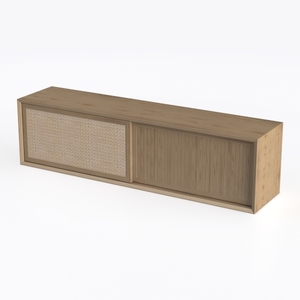
Minimalist Oak Rattan TV Cabinet 3D Model
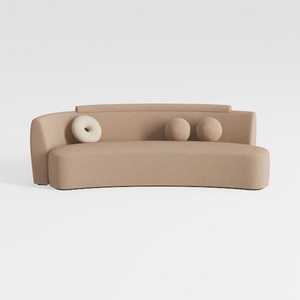

Yozma Curved Chenille Sectional Sofa Beige, Dual D
Homestyler is an innovative online platform perfect for turning your design dreams into reality. With its user-friendly design tool, impressive 3D renderings, and a wealth of DIY video tutorials, you’ll find everything you need to create beautiful spaces effortlessly. Start designing today!
立即免费设计
































