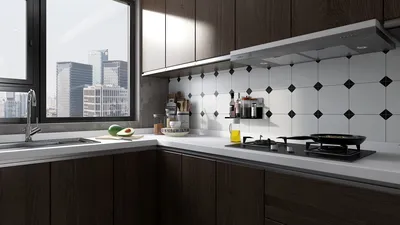


A memorable experience I had involved painting a client's small galley kitchen a vibrant lime green, as they believed it would evoke a tropical atmosphere. For a couple of days, they loved it, but soon decided to repaint it in a serene white — and I promised to keep my lime-green blunder quiet. This taught me not only humility but also the stark contrast between the way interior and exterior paints behave and the importance of context. Nowadays, I explore kitchen layout inspirations through platforms like Homestyler before suggesting color temperatures, as it aids in predicting how light interacts within smaller cooking spaces.
1. Start with Purpose: Consider Durability and Finish Options
I begin my painting projects by asking, “What will this surface be used for?” While interior walls emphasize washability and low VOC content, outdoor surfaces require UV resistance, moisture defense, and flexible binding agents. The benefit here is that softer finishes can create a warm atmosphere inside; however, those very finishes wouldn’t last long outdoors without special formulations.
save pin
2. Color Strategy: Understanding Light and Surroundings
Paint acts much like a mood ring: changes in sunlight, shade, and surrounding materials can alter its appearance. Indoors, artificial lighting and room dimensions determine whether a color appears warm or cool. Outdoors, sunlight and the landscape play a dominant role; a shade that looks bright on a sample card may appear faded under midday sun. I routinely conduct tests at various times throughout the day in both interior and exterior areas to manage expectations.
save pin
3. Preparation is Key — Don't Cut Corners
Surface preparation is the unsung hero of painting. For interiors, it focuses on achieving smoothness and fixing minor flaws, while outdoor prep involves sealing, scraping away loose paint, and addressing mold or efflorescence. The trade-off comes in terms of time and budget: investing in thorough exterior preparation may be pricey, but it distinguishes between a five-year paint job versus one lasting fifteen years.
save pin
4. Appropriate Tools & Techniques for the Task
When painting interiors, I prefer using rollers and fine brushes for better control and touch-ups; spray equipment can be excessive unless a quick, flawless finish is required. Conversely, sprayers are a great time-saving choice for exteriors, but proper masking and back-rolling are essential. To visualize coverage and flow, I often utilize tools that allow clients to explore finished layouts, and I sometimes refer them to examples of how various paint finishes appear on structures, like sharing realistic 3D floor designs via Homestyler when discussing how space impacts paint choices.
save pin
5. Maintenance and Expense: Lifespan is Important
Consider exterior paint as a long-term investment: higher quality and thicker coats might cost more initially but reduce the frequency of repainting. Interior spaces allow for more regular updates with lower costs per coat, perfect for those who enjoy changing their ambiance every few years. A common pitfall is budget creap — clients often spring for premium exterior paint while skimping on labor costs; I always emphasize that labor and prep are critical to durability. Additionally, for moisture-prone areas, I sometimes cite design case studies for bathrooms when recommending moisture-resistant coatings.
save pin
FAQ
Q: What distinguishes interior paint from exterior paint?
Interior paints prioritize aesthetics, low VOC levels, and ease of maintenance, while exterior paints are crafted for UV shielding, flexibility, and moisture protection. Exterior formulations also include additives that prevent mildew and sun damage.
Q: Is it feasible to use interior paint outdoors if needed?
While technically possible, it will deteriorate quickly and is likely to peel; outdoor conditions require different binders and additives. It's best to reserve interior paint for inside projects to avoid early failures.
Q: How do I choose the appropriate finish for interior versus exterior?
Indoors, finish selection is based on the function of the room: matte for living spaces, semi-gloss for trim and kitchens. For outdoor applications, satin and semi-gloss options repel water more effectively and are simpler to clean, while flat finishes can hide surface imperfections but may not be as durable.
Q: How essential is surface preparation?
Absolutely critical — adequate preparation prevents peeling and prolongs paint life. For exteriors, this involves scraping, priming, and addressing issues like rot; for interiors, it means patching, sanding, and priming visible stains.
Q: How do the lifespans of exterior paints compare to interior paints?
With appropriate preparation and quality materials, exterior paints generally last 8–15 years based on their exposure. Interior paints can persist for decades if walls remain undamaged and you're satisfied with the color, but high-traffic areas might need refreshing every 3–7 years.
Q: Are there environmental or safety matters to consider?
Opt for low-VOC or zero-VOC products for interiors to safeguard indoor air quality. For outdoor applications, be conscious of runoff and the responsible disposal of old paint and solvents; adhering to local regulations minimizes environmental impact.
Q: When is it advisable to hire a professional?
If your exterior requires extensive preparation, involves considerable heights or intricate details, or if you desire a flawless finish indoors, hiring professionals is often a wise investment that saves both time and money in the long term. Experts come equipped with the necessary tools and expertise to ensure longevity.
Q: Where can I locate guidelines on safe painting practices?
The U.S. Environmental Protection Agency provides comprehensive resources regarding renovation, repair, and painting safety, particularly concerning lead-based paints and containment practices (refer to the EPA’s RRP rule at https://www.epa.gov/lead). I depend on reliable sources like this when determining safety protocols.
save pin
Discover your inner designer with Homestyler! This user-friendly online platform features an intuitive design tool, stunning 3D renderings, a wealth of design projects, and engaging video tutorials. Transform your home into a masterpiece effortlessly, no experience needed!
Design Now for FREE
































