

There was a time when I accepted a last-minute job to paint a client's twelve-panel door just before a dinner party — I neglected to consider the drying time, resulting in two days of sticky invites. This experience imparted two important lessons: the significance of timing when painting and the often unexpected costs associated with small jobs. If you're curious about the expenses involved in painting interior doors, this concise guide combines my firsthand errors, essential pricing insights, and five innovative door-painting ideas that work wonders in smaller spaces.
Transforming small areas can lead to significant design breakthroughs when you view doors as standout elements instead of mere backgrounds. To quickly revitalize a room, refer to this room planning example, which illustrates how a painted door can alter the perception of space and flow: room planning example.
1. Basic Single-Color Update
This method serves as the foundation: sand, prime, and ensure two coats of a robust satin or semi-gloss finish. On the labor front, professionals usually charge either per door or by the hour — anticipate costs ranging from approximately $30 to $120 per door based on prep requirements and local pricing. It's a quick, low-risk option that delivers a sharp, uniform appearance; however, it lacks adventurous flair.
save pin
2. Two-Tone Doors (Contrasting Panels and Frame)
Utilizing one color for the recessed panels and another for the stiles and rails adds depth without necessitating the purchase of a new door. Expect an increase in labor costs due to the need for taping and additional precision work; plan for 30-60% more time compared to a single color application. In a narrow hallway, I employed this technique, which visually elevated the corridor — just make sure to account for careful preparation.
save pin
3. Soft Matte or Chalk Textures
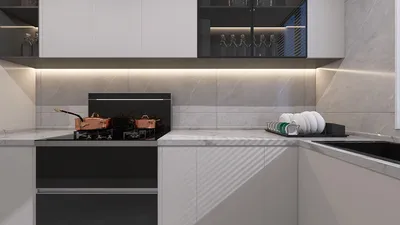
Matte or chalk finishes are currently in vogue for their soft appearance, yet they demand a precise approach (more sanding and skilled application methods). The labor costs rise as professionals aim to avoid streaks and may require additional touch-ups — hence, I suggest hiring someone experienced with spray applications for a uniform finish. To see how painted doors can influence both a kitchen design and overall flow, refer to this detailed kitchen layout example for inspiration: detailed kitchen layout case.
save pin
4. Statement Doors — Vibrant Colors or Patterns
Highlight a single door by giving it a bold color or a striking stencil pattern. The prep work is similar to that of a single-color paint job, but intricate designs will increase both time and labor cost. I once indulged in painting a dramatic door adorned with a geometric stencil — it became a weekend passion and was well worth it for the dramatic impact. Budget-friendly tip: feature the accent on just one door to manage labor costs while still achieving a stunning visual presence.
save pin
5. Distressed or Antiqued Finishes
Creating an antiqued or distressed finish involves several steps — a base coat, glazes, and careful sanding to highlight certain areas — resulting in the highest labor costs among these options. This technique is ideal for cottage or eclectic small apartments, and to preview the effect, I often produce a 3D visualization utilizing tools like Homestyler to illustrate how a single distressed door can anchor the overall room design: 3D visualization sample. Keep in mind that this method requires significant time investment: skilled labor can take 2-3 times longer than a simple paint job.
save pin
FAQ
Q1: What is the typical labor cost for painting an interior door?
A: Labor costs usually range from $30 to $120 per door, depending on location, preparation needs, and the complexity of the finish. Basic single-color jobs fall at the lower end, while intricate or distressed finishes reach the higher end.
Q2: Can I reduce labor costs by doing part of the prep work myself?
A: Yes — tasks such as removing hardware, light sanding, and cleaning can save professionals time. However, be cautious: improper sanding or neglecting primer can lead to increased costs if professionals have to correct mistakes.
Q3: Does the type of door material impact labor time?
A: Indeed. Hollow-core doors are quicker to prepare and paint; solid wood doors with intricate panels or moldings typically take longer, raising labor costs.
Q4: Is spray application more expensive than rolling?
A: Spray application offers the smoothest finish and is faster for painting multiple doors; however, setup and masking require additional time. For just a few doors, rolling may be the more economical option.
Q5: How much does primer add to labor costs?
A: Adding a primer involves an extra step — generally a full coat and drying time — which can modestly increase labor expenses. It's frequently worthwhile for ensuring adhesion and an even final coat.
Q6: How long does a professional take to paint a single door?
A: For straightforward jobs, a professional can typically manage a door in 1 to 2 hours, including prep; complex finishes may extend this to several hours or require a couple of days to accommodate drying time.
Q7: Where can I find reliable pricing averages?
A: According to HomeAdvisor, painting costs per door vary based on finish and preparation, but typically align with the previously mentioned ranges — checking local estimates will provide the most accurate pricing.
Q8: Should I opt to replace or repaint an old door?
A: Repainting is advisable if the door is structurally sound and you desire a fresh appearance; however, replacement is warranted if there is significant warping or damage. Repainting is usually the cheaper initial option and often the more sustainable choice.
save pin
Homestyler is your go-to online home design platform. With its user-friendly design tool, stunning 3D renderings, and a wealth of DIY video tutorials, you can effortlessly transform your space and unleash your creativity. Start designing your dream home today!
Progetta ora GRATIS
































