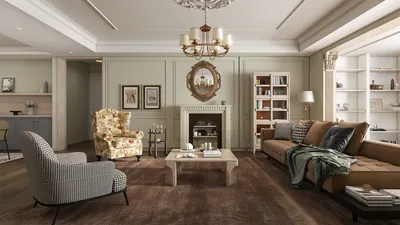


Essential Insights to Understand the Differences
Are You Missing Out on Key Attributes that Differentiate an Interior Designer?
Many articles that compare interior decorators to interior designers tend to focus solely on superficial disparities, such as education, scope, or pricing. However, through my extensive experience across various projects, I’ve noticed that hiring the wrong professional—often due to this oversimplified view—can lead to costly rework, hidden expenses, and risks related to safety that most homeowners fail to recognize. For instance, only licensed designers are able to approve plans that involve structural changes, which is a matter of legality and insurance rather than just a creative advantage. Therefore, the fundamental difference lies not only in what these professionals do but also in the repercussions that arise from mixing them up. This article aims to unveil those hidden traps and offer practical scenarios that help you steer clear of budget overruns and design disappointments, which are frequently omitted from other guides.
What is the Primary Function of an Interior Decorator?
An interior decorator is primarily focused on crafting an aesthetically pleasing environment by choosing color schemes, furniture, accessories, textiles, and decorative elements. They generally operate within finished spaces, enhancing the existing structure with layers of furnishings and decor. While decorators excel at unifying a room’s presentation, they do not modify walls, plumbing, or lighting layouts.
How Does the Skill Set of an Interior Designer Extend Beyond?
Interior designers usually possess formal education and credentials. They have training in areas such as space planning, safety regulations, architectural changes, and project management. Designers are qualified to create structural layouts, collaborate with builders, and generate plans ready for permits—a significant legal distinction in several states.
Why is Licensing Crucial in Home Renovation Projects?
Licensing goes beyond mere credentials; it is vital for liability and compliance. Only licensed designers can authorize projects that require detailed blueprints or major layout alterations. Hiring a decorator for such tasks may lead to failed inspections, invalidate insurance, or potentially breach local laws—risks that numerous online resources tend to overlook.
Can Decorators Be a Cost-Effective Solution for Basic Projects?
Indeed, if your project is solely focused on visual rejuvenation—like updating colors, fabrics, or decorative accessories—a decorator’s proficiency can be both effective and economical. However, involving them in construction or compliance-heavy renovations can lead to twice the costs when you have to modify designs to meet formal inspection standards.
How Do Various Project Scenarios Expose Hidden Risks?
Consider a situation where you’re looking to update your kitchen: If your plans include new cabinetry or tiles without altering the layout, a decorator is an ideal choice. However, if you're considering wall removals, plumbing changes, or an open-concept design, you’ll need plans drafted by a licensed designer to avoid halting your renovation mid-project due to compliance issues.
What Common Errors Do Clients Make When Choosing?
It’s surprisingly frequent for homeowners to believe that decorators are less costly, prompting them to choose a designer only after facing an inspection failure. The initial expense of employing a designer can save thousands in the long run, as they are better equipped to foresee challenges, produce compliant layouts, and integrate advanced smart-home and sustainability features.
What Advantages Do Designers Offer in Specialized Spaces?
Specialized environments, such as bathrooms, commercial offices, or ADA-compliant homes, require an in-depth understanding of regulations, spatial ergonomics, and even acoustics. Here, designers play a crucial role in ensuring both aesthetic appeal and lasting functionality.
What Makes Many Guides Misleading Regarding “Creativity Versus Credentials”?
Numerous articles present decorators as ‘creative’ and designers as ‘technical.’ In truth, effective designers embody both skills, merging code mandates with artistic vision—something a purely decorative approach fails to deliver.
Quick Summary
The key distinction: interior designers can modify structures and must be well-versed in regulatory codes; decorators concentrate on finishes. Erroneous selection can result in project delays, increased costs, and failures in compliance—factors extending beyond mere aesthetic considerations.
Frequently Asked Questions
What is an interior designer able to do that a decorator cannot?
Designers oversee structural adjustments, ensure code adherence, and manage complex spatial layouts; in contrast, decorators focus solely on surface-level furnishings and color scheme modifications.
Is a license necessary to refer to oneself as a decorator?
No, anyone can take on the title of decorator, but interior designers generally require formal education, training, and often, state certification.
Which option tends to be more expensive: hiring a designer or a decorator?
Designers typically charge higher fees due to their advanced expertise and the management of substantial renovation aspects.
Can I engage a decorator for my kitchen renovation?
Only if there are no structural modifications or plumbing relocations involved. Otherwise, a designer (often mandated by law) is the prudent choice.
How can I determine whether my project necessitates a designer?
If your plans will impact the structure, require permits, or involve significant layout changes, then the expertise and credentials of a designer are essential.
Are designers invariably superior to decorators?
Not necessarily; for simple, style-driven updates, decorators can be entirely suitable. However, for structural matters, only a designer is adequate.
What is a hidden cost associated with selecting the wrong professional?
Choosing a decorator for tasks needing a designer's credentials can expose you to compliance violations, insurance complications, and costly corrections.
Do both professionals need to stay updated on trends?
Certainly—while decorators focus on aesthetic trends, designers also need to be informed about regulatory updates and material innovations.
References
Homestyler is your go-to online home design platform! With its user-friendly design tool, stunning 3D renderings, and a wealth of design projects and video tutorials, you can effortlessly create and visualize your dream spaces—perfect for both beginners and seasoned designers alike!
Дизайн сейчас бесплатно
































