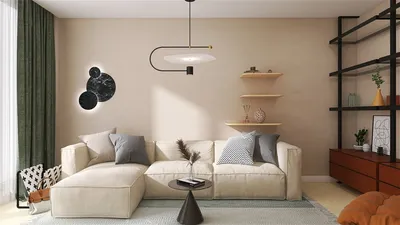


I have crafted numerous compact living spaces where a substantial garage is essential, whether for workshops, hobbies that require extensive equipment, or secure storage. The key challenge is to maintain bright, efficient, and tranquil living areas while the garage carries out its heavy-duty functions. With a strategic plan, this can be leveraged into a significant advantage: the garage not only acts as a sound buffer but also provides thermal insulation, plus a flexible area that adapts to changing life needs. A great way to visualize this is using Homestyler for an effective design.
Effective space planning is grounded in reality rather than assumptions. Research by Steelcase indicates that environments designed to enhance focus and control can elevate performance by as much as 23%, emphasizing that layouts should honor behavioral patterns, not merely the physical dimensions of a space. The WELL v2 standards also stress the need for controlling glare and ensuring circadian lighting, suggesting ambient light levels that foster comfort and vigilance without causing fatigue. To thrive, compact homes focus on intentionally adjusting light, acoustics, and air circulation. For a more detailed approach, the WELL Building Standard provides research-backed criteria that can directly influence residential design decisions, often enhanced by tools like Homestyler.
Workflow is crucial in small home design. Studies from Gensler reveal that proximity among workspaces significantly boosts productivity; this can be applied at home by organizing frequently used functions along the same axis. Having the garage close to essential entry points can streamline daily tasks—keeping tools, sports gear, and seasonal items near the entrance while ensuring the main living areas remain uncluttered. Utilize a room layout tool, such as Homestyler, for testing spatial relationships before actual construction begins, simulating traffic flow, furniture spacing, and sight lines.
Design Approach: Integrating a Spacious Garage within a Compact Layout
Begin with a straightforward massing diagram featuring a rectangular house design harmonized with an offset or flush garage. I prefer an L-shaped configuration where the garage forms the shorter section, creating a sheltered micro-court. This strategy enhances the amount of daylight that reaches living areas, offers wind protection, and provides a controlled outdoor space for storage or work. Inside, maintaining a clear flow of movement is vital—designing an entry mudroom that connects the garage, kitchen, and laundry ensures that grit, noise, and odors remain outside.
Light, Color, and Visual Serenity
Compact homes can be made to feel more spacious through effective lighting and color choices. Aim for a three-layered lighting design: ambient light (ideally 2700–3000K in living areas for warmth), task lighting (3000–3500K in kitchen zones), and accent lighting (adjustable to reduce glare). The Illuminating Engineering Society recommends that kitchen task illuminance be around 300–500 lux, while slightly lower ambient levels in living rooms can facilitate relaxation. When considering color psychology, muted natural hues are ideal for restorative spaces; cooler tones in work areas promote alertness, while warm neutrals in comfortable zones provide a sense of welcome. Keep window views clear to maximize sightlines and perceived spaciousness.
Acoustic Comfort: Leveraging the Garage as a Protective Barrier
A large garage can effectively shield living spaces from external noise when adequately treated. Position bedrooms away from busy vehicular paths to ensure quiet. Decouple noisy equipment from structural supports, incorporate resilient channels as required, and opt for garage doors with insulated panels. In smaller homes, managing low-frequency sounds is especially important—noise from car engines, compressors, and rolling doors can be intrusive. A helpful rule is to use hard flooring in the garage and soft materials inside the home to minimize reverberation.
Integrating Entry, Mudroom, and Laundry
The often-overlooked connection between the garage and the house is critical. I recommend designing a mudroom featuring durable flooring, hidden shoe storage, a seating bench, and access to laundry facilities. This acts as the perfect grit barrier. Incorporating hooks and ventilated cabinets assists in managing sports equipment and work wear. A pocket door leading to the kitchen helps contain odors after cleaning up a project. For those refining their layouts, an interior layout planner like Homestyler can effectively verify space around appliances and doors in limited areas.
Workshop Organization and Safety Measures
Segment the garage into distinct zones: secure storage (sealed cabinets), light-duty tool areas, and stringent work zones. Keep dust-creating tasks away from the shared wall, install local exhaust systems, and ensure adequate cross-ventilation. Task lighting above workbenches should reach 500–750 lux with a high Color Rendering Index (CRI) for true color perception. If storing chemicals or flammable materials, utilize metal cabinets with proper labeling. Simple measures, such as a rubber threshold at the door to the house and a self-closing mechanism, can significantly minimize indoor fumes.
Choosing Materials for Longevity and Sustainability
Compact homes gain significant advantages from using materials with dual functionality: engineered wood or polished concrete floors for thermal mass, washable paints with low volatile organic compounds, and resilient laminates in high-traffic areas. For the garage, select slip-resistant epoxy or sealed concrete along with moisture-resistant drywall. Ensure that insulated, weather-stripped doors are installed and advocate for consistent air sealing at the garage-to-house junction to enhance energy efficiency and improve indoor health. Careful selection of materials will lower maintenance needs while optimizing space usage.
Efficient Storage Solutions
Vertical storage is your best friend. Employ ceiling racks for seasonal items, wall-mounted rails for tools, and deep drawers for small components. In the living environment, integrate custom millwork that utilizes corner spaces and areas above doors. A clear plan for storage enhances a compact layout, where every item has a designated space. Labeling systems will help prevent clutter. Keep the garage’s “fast-access” zone conveniently located near the entrance, and place the “long-term” storage areas further within to keep everyday spaces tidy.
Natural Light, Airflow, and Temperature Balance
Position the garage on the sunniest side only if planning to use it as a thermal insulator; otherwise, consider its placement to mitigate winter winds. High windows in the living areas preserve privacy while allowing daylight in. Implement cross-ventilation strategies within the house to maintain fresh air, overcoming potential issues from adjacent garage noise. In warmer climates, utilize insulated garage doors and install radiant barriers in the roof to help maintain consistent indoor temperatures.
Circulation Ratios and Visual Harmony
In small homes, aim to keep circulation areas at about 8-12% of the total space; exceeding this leads to excessive hallway walking. Align doors and openings to create “borrowed views”—sightlines through multiple rooms that enhance the feeling of space. Repetition of vertical elements, such as bookcases and doorways, helps anchor the visual experience, while a standout feature wall or built-in provides visual prominence without overwhelming the area.
Emerging Trends for 2024–2025 in Compact Living
Two main themes are rising: adaptable micro-zones and a preference for soothing biophilic color schemes. A spacious garage can foster micro-zones for creation and storage while keeping the home flexible with interchangeable furniture, movable partitions, and smart lighting systems. Natural materials and calming color palettes link the intimate nature of home life with the practicality of garage utility, thereby lessening cognitive load and enhancing daily routines.
A Planning Checklist for Homeowners
- Define daily workflows before drafting designs.
- Ensure mudroom and laundry areas are positioned next to the garage.
- Layer lighting; confirm appropriate lux levels for tasks and ambient conditions.
- Organize garage spaces; prioritize safety and ventilation needs.
- Select durable, low-VOC finishing materials.
- Soundproof bedrooms from garage noise.
- Implement vertical storage and labeling for organization.
- Use a room design visualization tool, such as Homestyler, to evaluate circulation and clearances.
Frequently Asked Questions
Q1: How can I stop fumes from entering my living space?
A: Maintain a pressure differential by sealing the garage-to-house partition, installing a self-closing door with weather stripping, and utilizing local exhaust fans near workstations. Store chemicals in sealed metal cabinets and refrain from leaving vehicles running inside.
Q2: What are the best lighting levels for a garage workshop?
A: Aim for 500-750 lux above workbenches with high CRI lights. Keep ambient light levels around 300-400 lux to minimize shadows. These standards align neatly with IES task recommendations for detailed projects.
Q3: How can I make a small living area feel more open?
A: Use a combination of layered lighting, lighter wall colors, and align openings to allow views between rooms. Ensure efficient circulation (8-12% of the total area) and incorporate storage into walls to lessen visual clutter.
Q4: Where should the laundry be placed in a compact home with a large garage?
A: Position the laundry adjacent to the garage within the mudroom to facilitate the cleanest workflow, allowing dirty clothing and gear to transition directly to washing without soiling the entire house.
Q5: What’s the optimal garage layout for hobbyists?
A: Segment the garage into zones: immediate access near the door, heavy-duty tasks located deeper in, and secure storage area kept separate. Ensure good task lighting and exhaust to minimize dust from activities, and utilize wall-mounted storage solutions for flexibility.
Q6: Is there a recommended color scheme for smaller homes?
A: Favor neutral, low-saturation colors with warm undertones for open spaces to foster relaxation; cooler accents in work areas can enhance focus. This approach reflects insights from color psychology on mood regulation.
Q7: How can I manage sounds coming from the garage?
A: Insulate shared walls, use resilient channels where necessary, specify insulated garage doors, and locate bedrooms away from traffic. Implement soft finishes within the house—such as area rugs, curtains, and upholstered furniture—to mitigate sound transmission.
Q8: What are the best storage solutions for limited spaces?
A: Use overhead racks for seasonal items, wall-mounted rails for tools, deep drawers for organizing smaller components, and labeled bins for clarity. In living areas, take advantage of over-door cabinets and corner wall treatments to optimize storage capacity.
Q9: Can a spacious garage enhance energy efficiency?
A: Definitely; when designed as a thermal buffer, a well-insulated and air-sealed garage can help regulate heat gain and loss. Pair this with insulated doors and consider the use of radiant barriers for optimal performance.
Q10: What methods can I use to test the flow of my design?
A: Perform layout simulations to assess door swings, clearance for furniture, and sight lines. Tools like Homestyler are excellent for validating circulation ratios prior to finalizing construction plans.

Minimalist Solid Oak Round Dining Table 3D Model

Mid Century Solid Wood Fabric Dining Chair 3D Model

Minimalist Walnut Round Dining Table 3D Model
Discover the magic of home design with Homestyler! This user-friendly platform offers an intuitive online design tool, stunning 3D renderings, and a wealth of DIY tutorial videos. Whether you're a novice or a seasoned decorator, Homestyler brings your creative vision to life effortlessly!
Progetta ora GRATIS
































