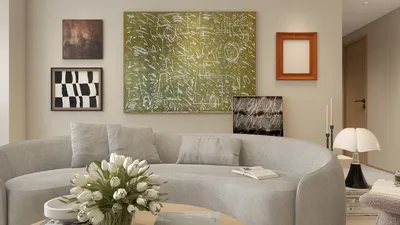


Yellow has always been one of the most invigorating colors to incorporate into your home, especially in spaces where you gather, like the living room. This color fosters warmth and energy, aligning perfectly with contemporary interior design trends that embrace optimistic, nature-inspired palettes. My experiments with various tones of yellow, from soft buttery shades to bold mustards, have shown exceptional results, particularly in smaller rooms. Here are 10 inspiring yellow decorating ideas for living rooms that I’ve crafted or implemented for clients, blending personal experiences with expert advice, all of which can be enhanced using Homestyler for visualization.
1. Soft Buttery Walls
My Experience: In my initial apartment, I painted the living room a soft buttery yellow, instantly making it feel bright and welcoming, even on gray days.
Advantages: Soft yellow walls work magic in small living rooms, making them appear larger and more inviting. According to Dulux Color Trends 2024, lighter yellow tones boost brightness without overwhelming the senses.
Disadvantages: Without contrasting textures, the color may come off as too pastel or washed out.
Suggestion: Complement soft yellow walls with warm wooden furniture for a classic aesthetic. A project I undertook showcased how beautifully surfaces interact with color, creating a harmonious look.
2. Mustard Accent Chairs
My Experience: Introducing two mustard velvet armchairs into a neutral lounge created a cozy yet stylish atmosphere that guests loved.
Advantages: Mustard yellow offers richness and depth, harmonizing beautifully with earthy tones and dark woods while adding a vintage flair.
Disadvantages: In a compact space, large mustard elements can dominate if not adequately balanced with lighter colors.
Example: Using neutral furniture allows the chairs to serve as captivating focal points without overpowering the room.
3. Yellow & Grey Combination
My Experience: I have frequently paired a cool grey sofa with yellow cushions, creating a combination that is chic and easy to refresh for different seasons.
Advantages: Grey tones anchor the vibrancy of yellow, ensuring it doesn’t overwhelm the space. BBC Homes emphasizes that this pairing fosters visual balance in mixed-color schemes.
Disadvantages: If the grey is overly dark, it may weigh down the space's overall feel.
Suggestion: Using patterned rugs with yellow and grey can effectively tie the color scheme together.
4. Golden Drapery
My Experience: Gold curtains in a client’s bay window captured sunlight beautifully, filling the room with warmth.
Advantages: They add an elegant texture and interact wonderfully with natural light.
Disadvantages: Lighter fabrics can show dust and may fade when exposed to intense sunlight over time.
Cost Consideration: Opting for high-quality materials can prolong the vibrancy and lifespan of golden drapes.
5. Yellow Abstract Artwork
My Experience: I use large yellow abstract pieces as a dynamic way to introduce color—a striking artwork above a sofa can unify the room.
Advantages: Easy to switch out when a new look is desired; instantly creates a focal point.
Disadvantages: Bold art may overwhelm if the surrounding decor is overly busy.
6. Yellow Throws & Cushions
My Experience: A sunflower-yellow throw on a deep blue sofa provides the perfect pop of color.
Advantages: Economical and easy to change out for different seasons; they add softness and interest.
Disadvantages: Less expensive fabrics may fade over time with sunlight and washing.
Suggestion: Layer various shades of yellow in different textures to create depth.
7. Painted Yellow Niche
My Experience: A recessed shelving niche painted a rich ochre became a great conversation starter in a client’s urban apartment.
Advantages: Accentuates architectural features and adds depth without overloading the room.
Disadvantages: If room colors change later, the niche may require repainting to match.
A case where a vibrant niche enhances the overall space illustrates how to creatively utilize structural elements.
8. Patterned Yellow Rugs
My Experience: I love to establish a room's foundation with a patterned rug—a Moroccan-inspired yellow rug transformed the space beautifully.
Advantages: Provides warmth and brings together various color accents.
Disadvantages: Bright rugs can show dirt easily; opting for patterns can help conceal everyday wear.
9. Textured Yellow Accent Wall
My Experience: Using textured wallpaper in a warm daffodil color injected life and personality into a plain living area.
Advantages: Texture softens bold yellow shades, enriching the walls.
Disadvantages: Removing textured wallpaper can sometimes be a hassle during renovations.
An instance showcasing how vivid texture can enliven neutral settings provides inspiration for balancing bold colors with subtle elements.
10. Yellow With Natural Wood Accents
My Experience: Pairing yellow cushions with exposed oak shelving in a sunlit loft produced a lovely, natural warmth in the living space.
Advantages: The organic quality of wood complements the energy of yellow; both materials exhibit timeless appeal.
Disadvantages: Wood requires maintenance and may darken over time, subtly altering the color scheme.
Conclusion
Incorporating yellow into your living room design is all about finding the perfect equilibrium between vibrance and comfort. Throughout my design career, I've observed that small areas do not hinder creativity; rather, they compel us to make smarter, more deliberate choices. As noted by Architectural Digest, color psychology significantly influences a room's ambiance. Which of these yellow decorating ideas for living rooms would you be excited to explore using tools like Homestyler?
FAQs
1. Which shade of yellow is ideal for compact living rooms?
Soft buttery or muted yellows are preferable as they reflect light and create an airy feel without overwhelming the space.
2. How to prevent yellow from dominating the room?
Pair yellow with neutrals—think white, beige, or grey—and use this hue strategically rather than covering all surfaces.
3. What colors pair well with yellow in a living room?
Yellow finds excellent company with grey, navy, white, and natural wood tones, balancing its warmth effortlessly.
4. Is it okay to mix various shades of yellow in one space?
Absolutely—layering different tones and textures adds richness, just ensure they belong to the same warm or cool family.
5. What’s the most cost-effective way to add yellow?
Throw pillows, budget-friendly art prints, and small decorative items allow you to experiment with the color at minimal cost.
6. Does lighting affect the appearance of yellow?
Definitely—natural daylight reveals the true shade, while warm artificial light can deepen it. Benjamin Moore emphasizes that understanding color temperature is critical in paint selection.
7. Are yellow walls still fashionable?
Yes, particularly soft, organic yellows that align with biophilic and nature-inspired decorating trends.
8. Can yellow be integrated into minimalist interiors?
Certainly—maintain a clean shade and restrained application, like a singular accent chair or a highlighted niche.
Discover your design potential with Homestyler! This innovative online platform offers a user-friendly design tool, stunning 3D renderings, and a wealth of DIY video tutorials. Whether you're a novice or an expert, Homestyler makes it easy to create beautiful spaces and realize your home decor dreams.
Design Now for FREE
































