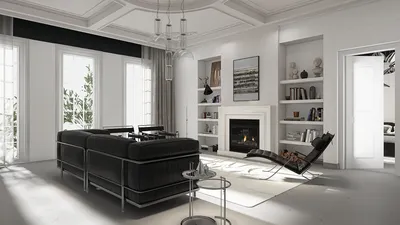


As a designer with over a decade of experience in transforming both small and large spaces, I've observed that the latest trends in interior design often elevate even the simplest concepts — such as wall shelves — into stunning focal points. Small living areas are truly a canvas for creativity, and utilizing wall shelving in living rooms is one of my favorite avenues for exploration. In this article, I’ll present 10 inspiring wall shelf designs inspired by real projects, my personal experiences, and expert advice.
1. Minimalist Floating Shelves
My Experience: I recently worked on a city apartment where minimalist floating shelves created an airy feel while providing necessary storage. They integrated seamlessly with the wall, allowing art and plants to stand out beautifully.
Benefits: Sleek lines and a clutter-free appearance align perfectly with contemporary small living room styles. As highlighted by Architectural Digest, these minimalist shelves can visually enlarge a room.
Drawbacks: They demand precise installation and are not suited for very heavy items.
Suggestion: To achieve a genuine 'floating' effect, use concealed brackets — I elaborated on this in my case study focused on minimalist living room transformations.
2. Asymmetrical Shelf Arrangements
My Experience: During a loft project, we experimented with shelves of varying lengths and placements, resulting in a striking statement wall that served dual purposes as both display and storage.
Benefits: This approach captures attention, breaks the monotony of traditional layouts, and harmonizes beautifully with eclectic design styles.
Drawbacks: If the room already has a lot of visual activity, numerous uneven lines can create a chaotic appearance.
Suggestion: For a balanced look, maintain a consistent material or color across all shelves.
3. Corner-Fitting Shelves
My Experience: In snug living rooms, I frequently implement corner shelves to transform overlooked spaces into displays for photos or plants.
Benefits: These shelves maximize previously unused corners, creating additional wall space for other decorative elements. Long-tail keyword: "corner wall shelf for small living room."
Drawbacks: Their depth limitations can make accommodating larger or deeper items challenging.
Suggestion: Consider using angle-adjustable corner shelving to adapt to diverse wall intersections.
4. Glass Shelving for an Open Feel
My Experience: I once mounted frameless glass shelves against a dark accent wall, resulting in light reflections that made the room feel significantly more spacious.
Benefits: These shelves maintain a light aesthetic, perfect for showcasing delicate collectibles without adding visual weight; House Beautiful notes that glass shelving can enhance the airiness of small rooms.
Drawbacks: They tend to collect dust quickly and may require regular cleaning.
Suggestion: For safety and durability, opt for tempered glass.
5. Built-in Wall Niches
My Experience: Recessed wall niches have proven invaluable for clients seeking a sleek, integrated look.
Benefits: They save space and eliminate the need for protruding furniture, making them ideal for homes with narrow pathways.
Drawbacks: This option often necessitates more extensive upfront construction and planning.
Suggestion: Enhance these niches with LED strips for nighttime accent lighting; I documented how a built-in shelving plan improved a compact studio in one of my projects.
6. Industrial Pipe Shelving
My Experience: This style was particularly effective in a bachelor pad I designed, utilizing raw wood combined with metal pipes for a rugged yet elegant display.
Benefits: Durable, customizable, and imparting a trendy industrial charm suitable for urban apartments.
Drawbacks: Overuse in small spaces can create a heavy look.
Suggestion: Combine reclaimed wood with matte-black pipes to achieve an authentic industrial feel.
7. Wall-Mounted Book Ledges
My Experience: Shallow ledges cater brilliantly to book enthusiasts, displaying covers prominently and transforming literature into art pieces.
Benefits: They allow for easy updates to decor, making them perfect for rotating display themes.
Drawbacks: They may not accommodate large hardcover collections due to their limited depth.
Suggestion: Position ledges at the height of the sofa back for a cohesive visual line.
8. Geometric Shelving Units
My Experience: In one daring project, hexagonal shelves served as an engaging conversation piece for visitors.
Benefits: They provide both artistic appeal and functionality, serving as sculptural elements on walls while storing lightweight items efficiently.
Drawbacks: Arranging them for optimal functionality can pose a challenge.
Suggestion: Pair closed units with open ones to achieve visual harmony; similarly, I adapted this approach in a geometric kitchen shelf project.
9. Floating Cabinets with Open Tops
My Experience: These cabinets deliver concealed storage beneath while allowing for decorative display on top — a perfect solution for rental properties where floor changes are restricted.
Benefits: They serve multiple purposes, keeping clutter hidden while showcasing decor above.
Drawbacks: Proper installation is crucial to support the added weight of the cabinet sections.
Suggestion: Choose wall anchors that are rated for heavy loads to ensure stability.
10. Multi-level Picture Ledges
My Experience: Installing staggered picture ledges brings layering and depth to expansive blank walls.
Benefits: They offer the flexibility to rearrange frames, plants, or trinkets without the need for new holes in the wall.
Drawbacks: They work best when curated thoughtfully; clutter can lead to a disorganized appearance.
Suggestion: Maintain a consistent color palette for frames to minimize visual distractions.
Conclusion
Having a small living room doesn’t limit your design potential — instead, it calls for smarter design approaches. Wall shelving transcends mere storage; it plays a crucial role in enhancing mood, style, and spatial efficiency. The Spruce emphasizes that well-planned wall shelves can significantly increase perceived space without requiring extensive renovations. So, which wall shelf concept are you most eager to explore in your home? And don't forget to check out the innovative designs available on Homestyler for your next project!
Frequently Asked Questions
1. What wall shelves are optimal for small living rooms?
Floating shelves and corner-fitted options are excellent as they optimize space without overwhelming the room.
2. What is the ideal height for wall shelves in a living room?
Typically, placing them about 4–5 feet from the floor works well, depending on ceiling height and the intended use of the shelves.
3. Is it possible to affix heavy-duty shelves to drywall?
Certainly, but you must use wall anchors or locate studs for adequate support; Better Homes & Gardens indicates that improper installation can lead to collapses.
4. Are glass shelves safe to use in living rooms?
Yes, provided they feature tempered glass and suitable brackets; they add a stylish touch, particularly for decorative items.
5. How can I style asymmetrical shelves effectively?
Apply a consistent color or material theme to create balance amid the visual irregularity.
6. Can shelving enhance lighting in a living room?
Definitely — incorporating LED lights under shelves or in niches can greatly enhance the ambiance.
7. What is the estimated budget for installing wall shelves?
This can vary: basic floating shelves might cost under $50, whereas built-in options could reach into several hundred dollars, including labor.
8. Where can I find examples of creative living room shelving?
You can check out my AI-assisted interior design showcases for a wealth of inspiration.
Originally incubated at Autodesk, Homestyler has grown into one of the most widely adopted home design platforms in the world, now trusted by over 18 million users. Whether you're a homeowner exploring ideas or a professional designer delivering client-ready renders, Homestyler brings industry-leading 3D technology to your fingertips — no experience required.
Homestyler is your go-to online home design platform! With its user-friendly design tool, stunning 3D renderings, and a wealth of DIY video tutorials, you can effortlessly create and visualize your dream spaces. Transform your home design ideas into reality with ease!
تصميم الآن مجانا
































