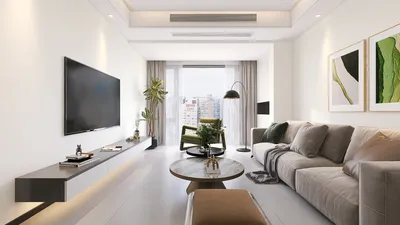


In recent years, my experience in home design has revealed that wall sconces have evolved into a prominent trend in living room aesthetics. No longer merely practical light sources, they have become essential for creating ambiance, delineating spaces, and adding character. Small spaces especially spark innovative ideas, particularly regarding lighting solutions. In this article, I will present ten inspiring wall sconce concepts for living rooms, intertwining my renovation experiences with expert advice, all while highlighting how tools like Homestyler can enhance your design process.
1. Sleek Brass Sconces
My Experience: In a compact 20 m² apartment, I opted for slender matte brass sconces, which infused just the right amount of warmth without overpowering the area.
Advantages: Ideal for modern and Scandinavian designs; the warm hue beautifully complements natural materials. As stated by Architectural Digest, brass fixtures harmonize remarkably with neutral color schemes.
Drawbacks: Brass may tarnish over time if uncoated, and fingerprints can be easily visible.
Suggestion: Position them near your favorite reading chair to supplement ceiling lights effectively.
2. Flex Arm Sconces
My Experience: In a petite loft belonging to a client, wall-mounted adjustable sconces freed up floor space for a cozy loveseat.
Advantages: These sconces allow light to be directed wherever needed, making them particularly valuable for reading areas or spotlighting artwork.
Drawbacks: The visible hardware may seem too industrial for softer designs.
3. Frosted Glass Globe Sconces
My Experience: I appreciate how frosted glass softens light, casting a warm evening glow without harsh shadows.
Advantages: This timeless style suits mid-century, art deco, and modern interiors, providing a gentle light experience.
Drawbacks: Frequent cleaning is necessary, and breakage is a risk if placed in high-traffic areas.
4. Sculptural Up-Down Light Sconces
My Experience: These sconces create an artistic beam effect. I once installed them on a textured concrete wall, resulting in a gallery-like ambiance.
Advantages: They provide a striking visual effect and enhance the perceived height of a room.
Drawbacks: If overused, they may appear overly dramatic; ensuring the bulbs are correctly positioned is essential for even light distribution.
5. Cozy Fabric Shade Sconces
My Experience: In a country-style living area, linen-shaded sconces added a layer of softness that blended well with the textiles around them.
Advantages: They are gentle on the eyes and create a cozy atmosphere, potentially eliminating the need for table lamps in various setups.
Drawbacks: Shades can become discolored from heat; not suitable for areas prone to mess or high use.
6. Illuminating Picture Light Sconces
My Experience: I utilized these to showcase a gallery wall, transforming budget prints into art gallery-worthy displays.
Advantages: They accentuate artwork and photographs, lending an upscale feel.
Drawbacks: Their light focus is very directional and may not provide general illumination effectively.
Tip: Opt for warm LED bulbs to prevent UV damage to framed pieces.
7. Raw Industrial Pipe Sconces
My Experience: In a loft remodel, sturdy iron pipe sconces complemented an exposed brick wall beautifully.
Advantages: They are robust, rich in character, and affordable DIY options are available. Reports from Houzz indicate a rise in industrial styles for 2024.
Drawbacks: They can feel stark or heavy if not balanced with softer decor elements.
8. Versatile Swing-Arm Plug-In Sconces
My Experience: A perfect fit for renters, these sconces don’t require hardwiring. I have sourced stylish vintage alternatives online.
Advantages: They are easy to install and allow for adjustable lighting direction.
Drawbacks: Cords might need to be disguised to maintain a tidy appearance.
These swing-arm designs are fantastic when placed above sofas in multifunctional spaces.
9. LED Strip Sconces
My Experience: I tested sleek LED sconces behind a media wall, providing ideal low-glare illumination during movie nights.
Advantages: Energy-efficient, contemporary look, and requires minimal upkeep.
Drawbacks: They may not provide a warm ambiance unless utilizing 2700–3000K LED bulbs.
10. Unique Artisanal Ceramic Sconces
My Experience: Handmade clay sconces introduce organic texture and distinct charm. I discovered a local artisan whose glaze changes subtly during firing.
Advantages: Each piece is individual; it brings a natural and earthy aesthetic that pairs wonderfully with warm-toned accent walls.
Drawbacks: They can be pricey, with limited availability from artisans due to small production runs.
Conclusion
Limited space in living rooms does not equate to limited opportunities—rather, it calls for smarter, more thoughtful wall sconce selections. From minimalist brass options to artisanal ceramics, these fixtures double as functional art. The American Lighting Association emphasizes the importance of layered lighting for comfort and visual intrigue. Which wall sconce idea will you implement in your space using tools like Homestyler?
Common Questions
Q1: What is the ideal height for wall sconces in a living room?
Typically, they should be installed 60–66 inches above the ground, adjusting for ceiling height and furniture placements as necessary.
Q2: Can wall sconces adequately light an entire living room?
While they contribute to overall illumination, their effectiveness improves when combined with overhead lights and lamps for layered lighting.
Q3: Are plug-in wall sconces suitable for renters?
Absolutely, they are simple to set up and remove without any need for wiring alterations, making them ideal for temporary living situations.
Q4: How can I select the appropriate bulb temperature for a cozy ambiance?
Choose warm white bulbs ranging from 2700 to 3000K for a softer, more inviting glow.
Q5: Do brass sconces demand special care?
Yes, they require occasional cleaning and may need a protective finish to prevent tarnishing.
Q6: What is the typical price range for living room sconces?
Prices vary from $40 to over $400, depending on materials, designs, and whether they are hardwired or plug-in, according to HomeLight analysis.
Q7: Can wall sconces be used with dimmer switches?
Definitely, dimmers offer flexibility and help create mood lighting suited for various occasions.
Q8: Are LED sconces a worthwhile investment?
Yes, the U.S. Department of Energy reports that LEDs have longer lifespans, consume less energy, and significantly lower long-term costs for replacements.
Discover the magic of home design with Homestyler! This user-friendly platform offers an innovative online design tool, stunning 3D rendering, and a wealth of design projects and DIY video tutorials. Transform your space with ease and creativity—perfect for both beginners and seasoned designers!
Design Now for FREE
































