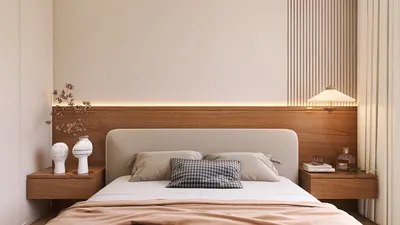


With over a decade of experience in interior design, I have discovered that the right choice of wall paint can dramatically transform the ambiance of a living room. Present-day trends often favor warm neutrals, striking accent walls, and hues inspired by nature. I firmly believe that even small spaces can ignite creativity. In this article, I will present ten wall paint concepts for living rooms—from personal projects to insights from industry experts—that could inspire your next transformation using tools like Homestyler.
1. Gentle Beige for a Cozy Foundation
My Experience: I once revamped a tiny apartment where the client craved warmth without overwhelming heaviness. A gentle beige provided just that, creating a cozy yet airy atmosphere.
Advantages: Warm neutrals such as gentle beige are classic, suitable for diverse lighting, and easily match with various furniture options. Dulux's 2023 color trends report highlights earthy neutrals as vital for generating tranquil environments.
Disadvantages: It may feel overly cautious if not enhanced with textures or bold accent colors. On its own, it can appear flat.
Advice: Incorporate layered fabrics or design a minimalist living space with concealed storage to add dimension.
2. Dramatic Navy Accent Wall
My Experience: In my living room, I painted an accent wall deep navy behind the sofa. It immediately introduced drama and fostered a cozier environment.
Advantages: A navy accent wall creates a striking focal point, pairs beautifully with metallic and wooden elements, and balances vibrant décor. It thrives in spaces with ample natural light.
Disadvantages: It can make smaller, darker rooms feel cramped. Thoughtful lighting design is essential for it to shine.
3. Sage Green for a Nature-Inspired Ambiance
My Experience: A client passionate about gardening chose sage green for their walls, beautifully pulling the outdoor essence inside. It offered a refreshing psychological effect!
Advantages: This nature-inspired choice fosters tranquility and complements both contemporary and rustic aesthetics. According to Benjamin Moore, sage shades are highly versatile.
Disadvantages: It might appear dull in dimly lit areas and requires brighter accents to stay vibrant.
4. Warm Terracotta Shade
My Experience: In a recent loft renovation, terracotta walls harmonized perfectly with leather furnishings and indoor greenery.
Advantages: This color infuses warmth and a Mediterranean flair, and better conceals minor wall imperfections compared to lighter shades.
Disadvantages: It may clash with cool-tone furnishings and could feel cumbersome if excessively used.
Cost Note: Matte finishes in this shade often command slightly higher prices due to the quality of pigmentation.
5. Pristine White for an Expansive Feel
My Experience: For a north-facing apartment, I opted for pristine white walls to amplify light and visually expand the space.
Advantages: It enhances perception of space, serves as an ideal backdrop for artwork or colorful rugs, and is straightforward to repaint.
Disadvantages: It is prone to showing dirt and marks quickly and can feel stark without contrasting textures.
Pair with: A sleek grey sofa or an L-shaped arrangement that optimizes floor area.
6. Subdued Mustard for Retro Appeal
My Experience: During a retro-themed living room makeover, subdued mustard walls offered a nostalgic yet refreshed look partnered with walnut furnishings.
Advantages: It adds cheerful personality, complements vintage designs beautifully, and surprisingly remains stylish.
Disadvantages: Not everyone’s favorite—it can dominate a space if there are many colors present.
7. Charcoal Grey for Elegant Contrast
My Experience: I transformed a dull rental with charcoal grey walls behind open shelving—it instantly elevated its design appeal.
Advantages: This shade accentuates lighter furniture, lends a modern dramatic touch, and pairs well with metallic finishes.
Disadvantages: In smaller spaces, it can feel oppressive and requires balanced artificial lighting to counteract the heaviness.
8. Blush Pink for Soft Warmth
My Experience: In a couple’s urban apartment, blush walls softened and warmed the setting without skewing feminine.
Advantages: It provides warmth without shadow, flatters skin tones, and is trendy in soft contemporary styles.
Disadvantages: It might clash with bold red hues or certain wood finishes.
9. Light Grey for a Modern Minimalist Approach
My Experience: When designing a minimalist bachelor pad, light grey walls offered a refreshing finish and balanced darker furniture.
Advantages: It's versatile, conceals minor marks better than white, and matches an array of accent shades. Sherwin Williams recommends grey as a top pick for transitional spaces.
Disadvantages: If it leans too cool, it can create a chill atmosphere.
Pro Tip: Enhance dimension with wooden accents that introduce warmth into the surroundings.
10. Two-Tone Walls Separated by a Chair Rail
My Experience: I enjoy painting two harmonious colors divided by a chair rail—it brings visual appeal without the need for art.
Advantages: It breaks up expansive wall areas, encourages creative color combinations, and helps delineate spaces in open-planned layouts.
Disadvantages: Requires careful color coordination; repainting can become more laborious.
Conclusion
A small living room doesn’t limit your design options—thoughtful wall paint selections can dramatically redefine your area. As noted by Elle Décor, color influences our feelings and interactions within a space. Which of these ten wall paint concepts will you explore next, perhaps using the innovative Homestyler tool?
FAQ
1. What is the best wall paint color for a compact living space?
Light colors such as gentle beige or white brighten and make areas appear more spacious.
2. How do I determine an accent wall color for my living room?
Consider the level of natural light and the palette of your furniture. Darker hues are more suitable for well-lit areas.
3. Does sage green work well in modern designs?
Absolutely. Sage green beautifully complements modern woods and metallic finishes.
4. Which wall paint is best for concealing imperfections?
Mid-tone matte finishes like terracotta or grey effectively hide surface flaws compared to gloss finishes.
5. Are two-tone walls still fashionable?
Indeed—they’re experiencing a resurgence and suit open-concept designs effectively.
6. What are the latest trends in wall paint?
According to Dulux’s 2023 report, warm neutrals, nature-inspired greens, and deeper tones are very much in vogue.
7. Is it possible to mix warm and cool tones in the same room?
Yes, balance can be achieved through textiles and accent pieces.
8. What paint colors suit minimalism?
Light greys or whites provide a clean slate, especially when enhanced by natural textures.
Unlock your creativity with Homestyler, the ultimate online home design platform! Its user-friendly design tool and stunning 3D renderings make it easy to visualize your ideas. Dive into a wealth of design projects and DIY video tutorials to elevate your home design experience. Transform your space today!
Design Now for FREE
































