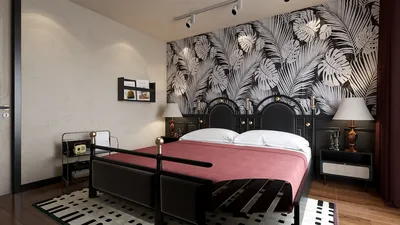


A while back, I decided to transform a bedroom with a striking teal color after a client confidently exclaimed, "Trust me, it will look fantastic!" In just two hours, we realized that the bed seemed to vanish against the wall. Fortunately, the white furniture provided a necessary contrast, standing out beautifully against the bold backdrop. Experiences like this have shown me just how influential white bedframes and dressers can be; they serve as a versatile backdrop that allows colorful designs to take center stage.
1. Soft Sage Green
Sage green evokes a serene and natural ambiance that pairs seamlessly with white furniture. I applied this combination in a compact urban apartment, where the white bed visually enhanced the room's brightness, while the sage-colored walls added depth without overwhelming the space. Pros include its calming effect and its ability to conceal minor blemishes; a challenge to keep in mind is selecting the appropriate undertone (generally, a gray-tinged sage is safer than a yellow-tinged one).
save pin
2. Warm Terracotta Accent Wall
Warm terracotta tones enrich white furniture and foster a cozy, grounded atmosphere in a bedroom. I advised a client wanting a bohemian flair to paint one wall in terracotta while keeping the other walls an off-white shade to maintain brightness. The advantages of this choice are its inviting nature and current trendiness; however, balance it with cooler linens or wooden elements to avoid an overly rustic vibe.
save pin
3. Dusty Blue with White Trim
Dusty blue, when paired with bright white pieces, creates a balance of classic and contemporary feels. In a rental master bedroom project I worked on, this color scheme lent a sense of spaciousness and tranquility to the room. Its advantages lie in its timeless quality and style versatility, yet care must be taken to avoid overly saturated blues that can clash with stark white finishes.
save pin
4. Moody Charcoal for Contrast
Charcoal walls provide a striking backdrop that allows white furniture to emerge as the focal point, similar to works of art. I experimented with this look in a loft bedroom — while the contrast was bold, the overall atmosphere remained peaceful due to the incorporation of soft textiles. This approach offers sophistication and drama; however, ensure adequate lighting or complementary lighter accents are present to stave off a gloomy ambiance. For those looking to test the waters digitally before painting, utilizing a 3D floor planner like Homestyler can help visualize these contrasts effectively.
save pin
5. Pale Blush for a Soft Look
Pale blush introduces gentle warmth that perfectly complements white furniture without dominating the scene. I used this shade in a guest room to establish a welcoming atmosphere — it pairs well with white lacquered or painted wood. The pros are its softness and romantic appeal, but it may appear overly feminine to some, so consider balancing it with brass or black accents. For swift layout trials, a budgeting-friendly floor plan creator can assist with furniture arrangements, enhancing your confidence in the design.
save pin
FAQ
Q: What wall colors complement white furniture the best?
A: Neutrals like sage, dusty blue, blush, terracotta, and charcoal are ideal matches. Consider the room's dimensions and lighting; lighter hues can open up spaces, whereas darker shades can inject drama.
Q: Should I opt for painting all my walls or just create an accent wall?
A: Creating an accent wall is a low-risk approach to adding color while preserving brightness alongside white furniture. Reserve bold color choices for a single focal wall if you're uncertain.
Q: How can I select the correct undertone in my paint?
A: Evaluate paint swatches under both natural and artificial lighting; gray-leaning tones tend to work better in more confined areas. Testing larger swatches on diverse walls is advisable.
Q: Is it possible for white furniture to appear cold with certain colors?
A: Yes, it can seem stark against extremely cool or clinical hues — temper this effect with textiles, wooden accents, and warm finishes for a more balanced look.
Q: Does dark flooring pair well with white furniture and colorful walls?
A: Absolutely! Dark floors ground the space and make white furniture pop, particularly with mid-tone wall colors like terracotta or dusty blue.
Q: How can I preview color combinations before committing to paint?
A: Digital tools are excellent for visualizing color schemes; many designers rely on 3D rendering tools like Homestyler for realistic previews. For a hands-on approach, large paint samples applied to the walls can be very useful.
Q: Are there cost-effective strategies for refreshing color themes with white furniture?
A: Certainly — you can paint just one wall, change up bedding and curtains, or introduce peel-and-stick wallpaper for an economical update.
Q: Where can I find reliable resources on color theory?
A: The Pantone Color Institute offers trustworthy trends and guidelines; their materials assist in matching palettes and understanding undertones (Pantone, 2024).
save pin
Homestyler is your go-to online home design platform! With its user-friendly design tool, stunning 3D renderings, and a wealth of DIY video tutorials, you can effortlessly create and visualize your dream spaces. Dive into various design projects and unleash your creativity today!
Design Now for FREE
































