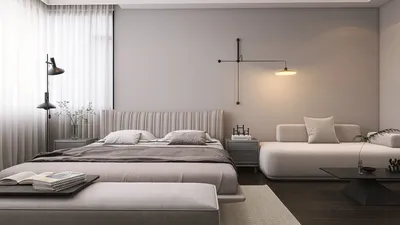


As an interior designer for over ten years, I've observed a notable revival: vaulted ceilings in living rooms are increasingly popular. While minimalistic designs continue to dominate urban settings, homeowners with lofty ceilings are embracing airy and bright aesthetics. Whether a small nook or a spacious area, spaces with vertical potential invite significant creative opportunities. In this article, I’ll present 10 inspiring ideas for vaulted living room ceilings, drawing from my own experiences and expert space planning insights, enhanced by tools like Homestyler.
1. Exposed Wooden Beams with Warm Lighting
My Experience: In a renovation project of a historic home, we preserved the original wooden beams and complemented them with warm LED lighting. This combo infused the vaulted ceiling with a cozy lodge ambiance, all while maintaining the height.
Advantages: Introduces texture and warmth; ideal for rustic and farmhouse-style vaulted living room designs. It also elevates the viewer's gaze, enhancing the sense of space.
Disadvantages: Maintaining wood can be challenging, particularly in humid regions; cleaning those high beams can be an unwelcome task.
Advice: To modernize the look, consider staining the beams in a lighter hue to harmonize with Scandinavian design trends.
2. Skylights for Maximum Natural Illumination
My Experience: A dim living room underwent a complete transformation following the installation of two large skylights in the sloped ceiling. This vaulted area became an inviting sunroom all day long.
Advantages: Boosts mood and energy efficiency; utilizes the full height of vaulted ceilings, as supported by lighting studies from the U.S. Department of Energy.
Disadvantages: The initial cost can be high; there's also the need to manage heat gain during the summer months.
Example: Installing sheer motorized blinds alongside skylights can help manage light levels effectively.
3. Statement Chandeliers as a Design Focal Point
My Experience: In a modern loft, we chose a cascading glass chandelier that naturally drew attention to the vaulted ceiling. It became the standout feature upon entry.
Advantages: Acts as a central visual landmark; complements the spaciousness of large vaulted ceilings in living areas.
Disadvantages: If not properly scaled, it can dominate a smaller room; maintaining crystals can be a detailed task.
This design strategy mirrors what I implemented in a minimalist vaulted ceiling project, where the lighting harmonized the overall color scheme.
4. Painted Ceiling Panels for Striking Contrast
My Experience: In a mid-century home, we used white walls with a light grey vaulted ceiling, providing enough contrast to highlight the architectural features without reducing the spatial perception.
Advantages: An inexpensive method to inject drama; offers flexibility with both bold and subtle shades.
Disadvantages: Dark hues can add a feeling of heaviness; repainting high ceilings demands considerable effort.
Advice: Opt for matte paint to minimize glare from overhead fixtures.
5. Open Loft Space Integration
My Experience: In a compact townhouse, we leveraged the vaulted ceiling to create a partial loft for reading and storage, optimizing vertical space.
Advantages: Increases functionality and usable area; a smart solution for small spaces with vaulted ceilings.
Disadvantages: Demands meticulous structural planning; may hinder acoustic privacy.
We designed this similarly to an L-shaped loft layout featuring vaulted ceilings for efficient space use.
6. Floor-to-Ceiling Windows
My Experience: In a mountain retreat, the vaulted ceiling enabled us to install grand triangular and tall rectangular windows that framed the breathtaking views like fine art.
Advantages: Seamlessly bridges indoor and outdoor spaces; enhances daylight in vaulted living areas.
Disadvantages: Large window areas can negatively impact insulation; can lead to privacy concerns.
7. Tongue-and-Groove Wood Panels
My Experience: Installing continuous wood paneling on a vaulted ceiling visually elongates the room and imparts a coastal cottage ambiance.
Advantages: Adds warmth and hides flaws in older ceilings.
Disadvantages: Installation on angled surfaces can be labor-intensive.
Advice: Whitewashing panels retains texture while brightening the area.
8. Two-Tone Painting to Enhance Architectural Features
My Experience: A client desiring more definition in their vaulted ceiling led to us painting the lower slopes in a darker color, leaving the peak bright and airy.
Advantages: Accentuates the ceiling's design; creates an intimate feel without diminishing height perception.
Disadvantages: Poor color choices can disrupt the visual flow; requires skilled painting.
9. Acoustic Panels as a Stylish Element
My Experience: In a spacious family room with vaulted ceilings, we integrated geometric acoustic panels doubling as artistic accents.
Advantages: Enhances sound quality; introduces a contemporary flair to vaulted living rooms.
Disadvantages: Panel designs can quickly become outdated; installation at height can be challenging.
Advice: Choose neutral-tone panels to match evolving home decor.
We achieved similar results when exploring angled acoustic solutions in open areas to minimize echo.
10. Ceiling Fans for Coolness and Aesthetic Appeal
My Experience: Vaulted ceilings can sometimes trap warmth; installing a large modern fan not only enhances air circulation but also serves as a sculptural design feature.
Advantages: Increases energy efficiency; injects dynamic movement into a vaulted living room.
Disadvantages: Requires careful sizing; necessitates safety clearance during installation.
Conclusion
A vaulted ceiling in a living room represents not just a challenge but an opportunity for innovative design. From exposed beams to skylights, each feature contributes to the room's ambiance and functionality. As emphasized by Architectural Digest, thoughtful use of vertical space can transform the perception of square footage. Which of these 10 living room vaulted ceiling ideas would you be eager to implement first, potentially with the help of design tools like Homestyler?
FAQ
1. What are the ideal lighting solutions for vaulted ceilings?
Layering light fixtures is most effective—combine chandeliers, recessed lighting, and LED strips to balance brightness and accentuate architectural features.
2. How can I create a cozy atmosphere in a small room with vaulted ceilings?
Incorporate warm materials like wood, select darker paints for slopes, and hang artwork higher to correlate with the ceiling height.
3. Are vaulted ceilings beneficial for natural light?
Absolutely, coordinating vaulted ceilings with clerestory windows or skylights enhances light entry, as evidenced by findings from the U.S. Department of Energy.
4. Do vaulted ceilings enhance home value?
They often do, particularly when featuring energy-efficient elements and contemporary finishes, enticing buyers attracted to open layout designs.
5. What maintenance is required for exposed beams?
Routine dusting and occasional sealing is necessary; in humid regions, watch out for potential warping or pest issues.
6. Are vaulted ceilings energy efficient?
They can be less efficient without appropriate insulation; implementing a ceiling fan enhances air circulation and reduces heating and cooling costs.
7. How might I adorn walls in a vaulted living room?
Consider vertical arrangements for galleries, tall bookshelves, or installing art features that naturally draw the eye skyward.
8. Is it feasible to add a loft in a vaulted ceiling living room?
Yes, provided that the structure can support it. This aligns with how I crafted AI-assisted loft conversion plans tailored for vaults.
Transform your home with Homestyler! This user-friendly online design platform offers a powerful design tool, stunning 3D renderings, and a wealth of DIY video tutorials. Perfect for both novices and pros, it inspires creativity and helps you visualize your dream spaces effortlessly.
Zaprojektuj teraz za darmo
































