


In the latest trends of interior design, terracotta living rooms are experiencing a revival, and rightfully so. With over a decade of experience in design, I have found that smaller spaces often encourage significant creativity. The warmth, depth, and classic earthy grounding that terracotta brings are truly timeless. In this article, I will present 10 terracotta living room concepts inspired by various projects I've undertaken, merging personal insights with professional advice, including how to utilize tools like Homestyler for visualizing these ideas.
1. Terracotta Accent Wall
My Perspective: In a compact apartment renovation, I transformed a single wall in the living room with a rich terracotta hue. This choice effortlessly established a focal point while maintaining the small room's balance.
Advantages: Creating an accent wall with terracotta imparts a cozy and organic atmosphere while making other neutral decor elements stand out. According to Architectural Digest, warm wall colors enhance the inviting quality of a space.
Disadvantages: A darker shade can make the area feel smaller, particularly if lighting is inadequate.
Suggestion: Complement with lighter-colored furniture for a balanced aesthetic.
2. Textured Terracotta Tiles
My Perspective: On a feature column in a living space, I applied matte terracotta tiles, which beautifully caught the sun's rays in the afternoons.
Advantages: These tiles provide a natural tactile appeal and are highly durable. Moreover, natural terracotta options are eco-friendly and low in maintenance.
Disadvantages: The cost can be a concern, and heavyweight tiles typically require professional installation.
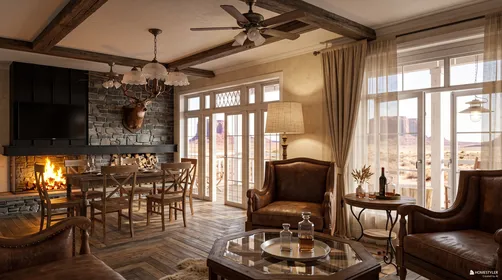
Suggestion: Pair with indoor greenery to capture a Mediterranean vibe. I even created a terracotta-themed living room mockup using Homestyler to help illustrate this to a hesitant client, and the concept proved successful!
3. Terracotta Soft Furnishings
My Perspective: For renters unable to paint, I find that adding terracotta-colored cushions, throws, and rugs is an effective and easy solution.
Advantages: This option is budget-friendly, adaptable, and simple to switch based on seasonal trends.
Disadvantages: Be cautious about overusing terracotta, as it can create a monotonous look; I recommend integrating beige, cream, or deep green elements.
Suggestion: Layer different textures; linen against wool offers a luxurious touch.
4. Terracotta & White Contrast
My Perspective: One of my preferred pairings is crisp white walls complemented by terracotta decor accents. I executed this in a sunlit loft, and it felt refreshingly distinct compared to a fully warm palette.
Advantages: The stark contrast enhances brightness in the room, providing an airy yet grounded sensation.
Disadvantages: Adequate lighting is essential, or the white may appear dull next to the terracotta warmth.
Suggestion: Incorporate gloss finishes on the white trim to reflect light subtly.
5. Terracotta Rugs for Zoning
My Perspective: In smaller open-plan areas, I frequently utilize a deep terracotta rug to visually delineate the living area.
Advantages: Rugs like this help ‘anchor’ the seating space and add a sense of coziness underfoot.
Disadvantages: They may not be suitable for homes with shedding pets, as hair tends to be more visible on darker fabrics.
Suggestion: Opt for flat-weave rugs that are easier to maintain.
6. Wooden Furniture with Terracotta Tones
My Perspective: Furniture made from warm-toned oak or teak pairs beautifully with terracotta accents. I recently styled a mid-century teak TV stand against burnt terracotta side walls.
Advantages: This combination enhances the earthiness of the design, creating a cohesive, natural palette.
Disadvantages: Too much warmth from both wood and terracotta can appear dated; it's best to intersperse light or black accents for balance.
Suggestion: Consider using Homestyler to plan a wood-and-terracotta living room layout before making purchases — this approach saved a client from buying excess furniture.
7. Terracotta in Artwork
My Perspective: For an economical refresh, I introduced large-scale abstract art featuring terracotta colors to a beige-walled lounge.
Advantages: This method allows for a lightweight commitment to the color, and pieces can be easily changed as desired.
Disadvantages: Artwork like this might feel isolated unless other decor elements incorporate similar hues.
Suggestion: Use frames in complementary colors, such as black or natural wood, to enhance the overall aesthetic.
8. Terracotta Curtains
My Perspective: I installed floor-to-ceiling terracotta linen drapes in a client's home with large windows — the resulting light filter resembled a sunset.
Advantages: This feature adds warmth and emphasizes vertical lines to enhance room height.
Disadvantages: Quality linen may come at a higher price; a darker shade could significantly reduce light intake.
Suggestion: For renters, clip-on rings make seasonal changes easy.
9. Terracotta Ceilings
My Perspective: Although bold, I painted a ceiling a gentle clay shade in a cafe-themed living area, transforming it into a cozy retreat.
Advantages: This choice visually lowers lofty ceilings, creating a sense of intimacy.
Disadvantages: In low-ceiling spaces, this could feel confining.
Suggestion: Maintain light-colored walls and warm flooring to balance the overall appearance. The effect is reminiscent of creating a custom terracotta 3D design render in Homestyler before finalizing the project.
10. Layered Terracotta Shades
My Perspective: I often blend multiple terracotta shades in cushions, ceramics, and rugs to create depth in the design.
Advantages: This technique adds visual richness without overwhelming the space, making it ideal for bohemian or rustic themes.
Disadvantages: If mixed without care, it can create a chaotic look.
Suggestion: Stay within the same warm undertone family to maintain harmony in the design.
Conclusion
For me, a terracotta living room is about embracing warm, clever design choices that invite comfort. Thoughtful application of terracotta can greatly benefit small rooms by providing earthy grounding and a warm ambiance. As noted by Elle Decor, these natural warm tones offer timeless appeal. Which of these ideas would you be excited to implement in your own living space?
FAQ
1. What characterizes a terracotta living room?
A terracotta living room incorporates warm orange-brown hues inspired by clay in its walls, decorations, or furniture, fostering a cozy, earthy atmosphere.
2. Is terracotta a good fit for smaller living areas?
Yes, when complemented by light neutrals and ample lighting, terracotta can create a welcoming space that feels open rather than cramped.
3. What colors harmonize with terracotta?
Neutrals such as beige, cream, and grey, along with natural greens and deep blues pair beautifully with terracotta.
4. Can terracotta be integrated into modern interiors?
Certainly! According to Architectural Digest, warm earthy tones are gaining popularity in contemporary designs for their grounding effect.
5. Is terracotta paint pricey?
Costs can vary, but mid-tier quality terracotta paint is on par with other colors. Pricing depends on the brand and finish.
6. How can I introduce terracotta without wall paint?
Options include textiles like cushions and rugs, as well as curtains, ceramics, or artwork. Tools like Homestyler can also help visualize your ideas before making any purchases.
7. Will terracotta colors fade over time?
High-quality pigments are resistant to fading, particularly indoors; however, prolonged sun exposure may affect vibrancy over the years.
8. Are terracotta tiles suitable for living rooms?
Absolutely, particularly in Mediterranean or rustic designs. They are durable, low-maintenance, and can be eco-friendly when sourced responsibly.
Originally incubated at Autodesk, Homestyler has grown into one of the most widely adopted home design platforms in the world, now trusted by over 20+ million registered users (platform data, 2026). Whether you're a homeowner exploring ideas or a professional designer delivering client-ready renders, Homestyler brings industry-leading 3D technology to your fingertips — no experience required.
Looking to transform your space? Homestyler is your go-to online home design platform! With its user-friendly design tool, stunning 3D renderings, diverse design projects, and helpful DIY video tutorials, you can effortlessly create your dream home. Start designing today!
Design Now for FREE



















![Design [4]](https://hs-designs.homestyler.com/production/design/images/07c2de3a-88ec-4be8-8910-ff255b795bc2/1731419398293/7841697.jpg?x-oss-process=image/resize,w_502,m_mfit/format,webp)