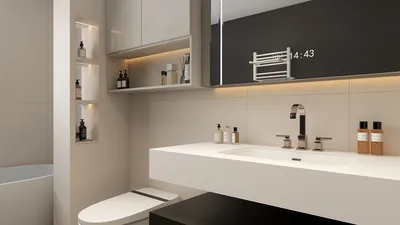


Over the last ten years in home design, I've observed a consistent trend: Scandinavian style remains ever-popular. Its combination of sleek lines, light color schemes, and functional layouts make it ideal, particularly for compact spaces where maximizing every square inch is crucial. Small areas can inspire significant creativity, and today I’m excited to share 10 Scandi living room inspirations that I've brought to life in real homes, merging my personal experiences with research-based design principles, including insights from Homestyler.
1. Neutral Color Palette with Warm Accents
My Experience: My initial Scandi living room project revealed how impactful muted colors can be. I embraced whites, soft grays, and incorporated hints of muted terracotta to enhance warmth.
Advantages: Utilizing a neutral color palette with gentle warm tones fosters a sense of calm and can make a small living room appear larger. Findings from the National Association of Realtors indicate that lighter colors enhance the perception of space.
Drawbacks: An overly monochromatic scheme might risk feeling flat if you neglect to add texture or contrast.
Suggestion: Introduce chunky knit throws or a jute rug to maintain warmth, or consider Scandi-inspired cozy corner arrangements for further ideas. Homestyler can provide templates for these kinds of designs.
2. Layered Lighting
My Insight: In my apartment, I replaced a single overhead fixture with layered lighting—incorporating floor lamps, wall sconces, and candles. The transformation was nearly magical.
Advantages: Different light sources offer control over the mood and functionality; warm LED lighting mimics natural daylight, enhancing comfort.
Drawbacks: More light sources may require additional plug points and could lead to unsightly cords, presenting a minor aesthetic challenge.
3. Natural Wood Furniture
My Observation: Scandinavian living rooms thrive with wooden tones. I frequently opt for oak or ash-finished coffee tables for their welcoming feel and durability.
Advantages: Real wood lends warmth, texture, and an organic quality that complements minimalism beautifully; it's also a timeless choice.
Drawbacks: Natural wood does require maintenance—spills should be tended to immediately to prevent staining.
Suggestion: Consider mixing light and medium wood tones to add depth without heaviness.
4. Minimalist Storage Solutions
My Experience: A client's 20㎡ living room instantly felt expansive after we installed wall-mounted storage with concealed compartments.
Advantages: It helps maintain a clutter-free aesthetic without detracting from the clean look; hidden storage is central to Scandinavian design principles.
Drawbacks: Built-in options can be expensive and lack flexibility if you wish to rearrange.
Example: I once combined wall cabinets with an open shelf to display décor—both functional and inviting.
5. Textile Layering for Coziness
My Take: I always incorporate soft textures in my designs—linen curtains, wool throws, and cotton cushions. They immediately soften minimalistic aesthetics.
Advantages: Layering textiles enhances comfort and introduces visual interest; mixing fabric types prevents a sterile appearance.
Drawbacks: Excessive layering can make a room feel chaotic rather than serene.
Suggestion: Stick to the odd-number rule for textures—group items in threes or fives for visual harmony.
6. Bringing the Outdoors In
My Experience: In every season, my Scandi projects integrate greenery—like potted plants, eucalyptus branches, or even a small olive tree.
Advantages: Plants enhance air quality and introduce a refreshing, vibrant feel; findings from NASA's Clean Air Study support their benefits.
Drawbacks: They require ongoing maintenance—neglected plants can detract from the ambiance.
Example: Place plants near windows for optimal growth.
7. Statement Lighting Fixtures
My Insight: A favorite Scandi element of mine is a striking pendant light above the coffee table—it beautifully anchors the room.
Advantages: It introduces personality without clutter; an artistic light fixture can serve as a focal piece.
Drawbacks: Signature pieces can be costly; they are most effective in spaces with ample ceiling height.
Suggestion: Consider woven or paper lampshades for a more economical alternative.
8. Functional Open Layout
My Insight: In a recent project, we eliminated a bulky cabinet to enhance sightlines between the living and dining areas. The effect was remarkably spacious.
Advantages: This approach improves flow and light, while providing versatility for different arrangements.
Drawbacks: Less wall space can limit storage or display options for art.
Example: Opening up sightlines in a compact home can significantly boost comfort.
9. Monochrome with a Pop of Color
My Approach: In one downtown studio, I crafted a black-and-white foundation with mustard accents—stylish and lively.
Advantages: Monochrome palettes are classic; a singular accent color injects energy without overwhelming the design.
Drawbacks: Excessive contrast may create a busy feel in smaller spaces.
10. Mix of Old and New
My Perspective: Scandinavian design embraces modern lines, yet I often sprinkle in a vintage armchair or heirloom rug for character.
Advantages: This blending adds depth and warmth; reusing quality pieces is also sustainable.
Drawbacks: Striking the right balance can be intricate—it's easy to veer into clutter.
Example: One project combined a sleek sofa with a 60s teak sideboard; the combination was stunning. Explore similar setups for a cohesive yet personalized touch using Homestyler.
Summary
Scandi living rooms demonstrate that compact spaces don't have to hinder style; rather, they encourage us to innovate in our designs. As a designer, I find this approach fulfilling both professionally and personally. Embodying the Danish principle of "hygge," it prioritizes balance and enhancing comfort in your environment. Which of these 10 Scandi living room inspirations are you eager to implement?
FAQ
1. What distinguishes a Scandi living room?
A Scandinavian living room is identified by its minimalism, light color schemes, natural materials, and functional layouts that optimize space.
2. Are Scandi living rooms suitable for compact spaces?
Absolutely; their light hues and intelligent storage solutions create an airy, uncluttered feel in smaller rooms.
3. What color schemes are best for a Scandi living room?
Whites, light grays, muted blues, and soft beiges work beautifully, often complemented by natural wood tones.
4. Can I incorporate bold colors into a Scandi living room?
Definitely—as accent features. Mustard, forest green, or blush colors can work well against a neutral backdrop.
5. Do Scandi designs typically include plants?
Often yes, as greenery softens minimalistic designs and enhances air quality (supported by NASA Clean Air Study).
6. How can I make a Scandi living room feel warmer?
Incorporate warm textiles, wooden accents, and soft lighting to balance the minimalist approach.
7. Are Scandi designs expensive?
Not necessarily—you can combine budget-friendly finds, such as from IKEA, with quality vintage pieces for added character.
8. Can Scandi living rooms blend with other styles?
Certainly—many of my projects fuse Scandinavian elements with bohemian or industrial touches for a distinctive look.
Homestyler is your go-to online home design platform! With its user-friendly design tool, stunning 3D renderings, and a wealth of DIY video tutorials, transforming your space has never been easier. Explore creative design projects and bring your vision to life effortlessly!
Zaprojektuj teraz za darmo
































