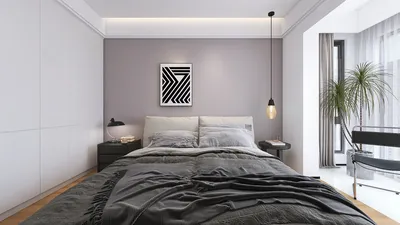


With over ten years in the interior design field, I've recently observed a delightful resurgence of 70's living room aesthetics. The trend embraces warm, earthy palettes combined with striking geometric patterns, reflecting our desire for spaces that are both cozy and expressive. This retro style is particularly effective in smaller environments, where design limitations often lead to the most innovative solutions. In this article, I will share ten inspiring 70's living room concepts, each enriched with insights and narratives from my real-world projects. You can also utilize tools like Homestyler to visualize these ideas in your own space.
1. Earthy Color Schemes
My Experience: In a recent renovation of an apartment, I embraced warm brown tones, soft oranges, and muted greens to evoke that authentic 70's living room warmth. This choice instantly grounded the atmosphere, making it feel inviting and homey.
Advantages: Earth-toned colors are classic, easily paired with natural textures, and ideal for crafting a serene environment. As noted by Architectural Digest, such shades can enhance relaxation in shared spaces.
Disadvantages: If overused, they may appear outdated or overly dark, particularly in rooms with limited natural light.
Suggestion: Counterbalance earthy hues with lighter fabrics or metallic accents to brighten the overall aesthetic. For instance, a combination of rust-colored cushions with wooden paneling creates a beautifully textured retro feel.
2. Shag Rugs for Added Comfort
My Experience: In a compact studio project, a mustard shag rug was implemented, introducing both tactile warmth and visual nostalgia.
Advantages: Shag rugs bring immediate warmth, absorb sound, and serve as striking focal points in minimalist environments.
Disadvantages: Maintenance can be demanding — care is essential!
Suggestion: Opt for a smaller shag rug for easier upkeep, especially if pets are part of your household.
3. Cozy Conversation Pits
My Experience: I crafted a semi-sunken lounge for a client, inspired by fond childhood memories, creating a snug area ideal for intimate gatherings.
Advantages: This unique layout fosters social engagement, ideal for differentiating open-plan designs.
Disadvantages: They may not suit every floor plan and can pose tripping risks if inadequately illuminated.
Suggestion: Incorporate built-in seating around the pit to enhance comfort.
4. Eye-Catching Pendant Lighting
My Experience: In one of my retro-modern designs, a large dome-shaped pendant emerged as the standout feature of the space.
Advantages: Such lighting fixtures define the room's focal area and can anchor the design effectively, complementing both vintage and contemporary pieces.
Disadvantages: It's crucial to have appropriate ceiling height for a balanced appearance.
Suggestion: Combine with dimmer switches to create varying levels of ambiance from cozy to brightly lit.
5. Macrame and Woven Wall Art
My Experience: I love integrating macrame as it effortlessly warms up bare walls without breaking the bank.
Advantages: They bring handmade character, texture, and authenticity to any interior while aligning with the natural fiber trend.
Disadvantages: These can accumulate dust more readily than traditional framed art.
Suggestion: Layer various sizes for visual interest and depth.
6. Bold Geometric Upholstery
My Experience: I transformed a mid-century armchair for a client using vibrant orange and brown geometric fabric, turning it into a key conversation piece.
Advantages: This upholstery style infuses lively retro flair and revitalizes older furniture. A designer once noted that geometric patterns can revitalize a bland room layout.
Disadvantages: Excessive use may overwhelm the aesthetic — limit to a couple of standout items.
Suggestion: Mix with solid fabrics to ensure balance in the overall look. This approach proved successful in a recent project featuring L-shaped seating for intimate arrangements.
7. Rattan and Wicker Furnishings
My Experience: In a project transitioning outdoor balcony space to indoor living, rattan furniture effortlessly bridged the divide between the two environments.
Advantages: These materials are lightweight, airy, and environmentally friendly — an excellent choice for compact areas.
Disadvantages: They risk seeming too casual if not combined with more structured items.
Suggestion: Pair with lush greenery to enhance the organic atmosphere.
8. Vintage Record Player Areas
My Experience: I positioned a client’s vintage turntable and vinyl display in a sunlit corner, transforming it into their favorite weekend retreat.
Advantages: This setup showcases personality, encourages distraction-free relaxation, and doubles as décor.
Disadvantages: Maintenance is needed to manage dust and careful positioning away from direct sunlight is essential.
Suggestion: Incorporate mid-century cabinets for integrated storage and display solutions.
9. Combining Wood Paneling with Striking Art
My Experience: Mixing vertical oak panels with a large abstract artwork provided one client’s space with a perfect retro-modern balance.
Advantages: Wood offers warmth and foundation, while bold art infuses energy and freshness.
Disadvantages: Overemphasis on paneling can lead to a dim environment.
Suggestion: Break up the paneling with windows or standout lighting. I emphasized this effect with vintage-inspired open shelving in a multi-functional lounge.
10. Multi-Layered Lighting Solutions
My Experience: By integrating floor lamps, pendant fixtures, and wall sconces, I recreated the warm, varied lighting that characterizes 70's interiors.
Advantages: This method allows for adaptable atmospheres and can cleverly conceal architectural imperfections with strategic shadows.
Disadvantages: Thoughtful planning is necessary to avoid a tangle of wiring.
Suggestion: Opt for warm-hued bulbs to truly evoke that retro ambiance.
Conclusion
Designing a 70's living room transcends merely replicating past styles; it's about utilizing those impactful ideas to craft personalized, contemporary spaces. Particularly for smaller living areas, leveraging zoning techniques, texture exploration, and iconic elements from the 70's can yield stunning results. As highlighted by Elle Decor, the finest retro designs harmonize nostalgia with modern practicality. Which of these ten 70's living room concepts would you be interested in implementing?
FAQ
Q1: What’s the simplest way to introduce a 70's element into my living area?
Incorporating a statement shag rug or earthy throw pillows can provide quick results.
Q2: Are 70's hues suitable for compact living spaces?
Absolutely, but ensure a balance between warm tones and lighter shades to prevent the room from feeling enclosed.
Q3: How can I merge modern furniture with 70's decor?
Combine sleek, contemporary designs with one or two retro statement pieces, like a rattan chair or geometric ottoman.
Q4: Are conversation pits still viable today?
In various open layouts, yes — however, they necessitate careful planning to ensure safety and proportion.
Q5: Is it possible to utilize bold patterns without introducing chaos?
Maintain a consistent color scheme and vary the sizes of patterns for a harmonious aesthetic.
Q6: Is revamping with 70's style a costly endeavor?
Not at all — thrift stores and vintage shops offer excellent affordable options for authentic pieces.
Q7: What type of lighting best conveys a 70's vibe?
Mix various light sources, using warm bulbs to recreate that characteristic cozy glow.
Q8: Where can I find exemplary layouts reflecting 70's living room styles?
Explore curated design platforms like Homestyler to discover inspiration for retro-inspired arrangements.
Discover the ease of home design with Homestyler! This fantastic online platform offers an intuitive design tool, stunning 3D renderings, and a wealth of DIY video tutorials. Whether you're a novice or a seasoned designer, Homestyler helps you transform your ideas into beautiful reality effortlessly.
Zaprojektuj teraz za darmo
































