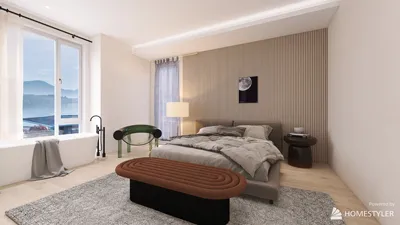


The rustic design trend is currently making a comeback, harmonizing natural textures with a warm and genuine appeal. As an interior designer with over a decade of experience, I have discovered that small spaces often yield the most inventive design ideas — rustic interiors are especially suited for this. Here, I present ten inspirational rustic concepts for small living rooms, combining insights from my client projects with expert design tips to help you curate a cozy yet purposeful space, perfect for utilizing tools like Homestyler.
Exposed Wood Beams for Enhanced Character
Take from my experience: In a recent apartment design, we uncovered ceiling beams that were previously obscured by drywall. This decision immediately enriched the space with a nostalgic depth and historical significance.
Pros: Introduces architectural charm and complements rustic themes in small living rooms; the warmth of natural wood tones makes ceilings feel more inviting (Elle Decor, 2023).
Cons: May necessitate an assessment of the structure; older beams could display imperfections which appeal to some, but not to others.
Tip: If structural beams aren't feasible, consider faux wood beams as a safe alternative for similar aesthetics.
Cozy Stone Accent Wall
My Insight: In a petite 12㎡ living room, I installed a slim stone veneer on a single wall, which introduced rustic allure without overwhelming the space.
Pros: Adds texture and a natural feel to compact areas; effectively creates a focal point while maintaining a clutter-free environment. It also aligns well with minimalist storage designs when executed carefully.
Cons: Genuine stone can be heavy and expensive; while veneers are lighter, they might lack the same authenticity upon close inspection.
Tip: Offset the robust texture with lighter furniture or open shelving to strike a balance.
Layered Rugs for Added Warmth
My Experience: In a snug loft space, I layered a jute rug with a softer wool rug above it — my clients appreciated the mixed textures underfoot.
Pros: Enhances depth, comfort, and aesthetic interest; can define areas in open-concept small living rooms.
Cons: May require occasional repositioning as the rugs can shift; a mismatch of colors can lead to a chaotic look.
Tip: Opt for a cohesive color scheme when layering rugs in compact spaces.
Open Shelving with Reclaimed Wood
From my perspective: In a client’s narrow living area, reclaimed wood shelves served as both storage and display, aligning seamlessly with the rustic style theme.
Pros: Environmentally friendly, full of charm, and extremely functional; ensures a light footprint, crucial in small spaces.
Cons: Dust accumulates quickly on open shelves; heavier items necessitate proper wall support.
Tip: Pair wood shelves with metal brackets for a stylish industrial-rustic fusion.
Rustic Coffee Table with Storage
In an urban micro-apartment, I frequently opt for a solid wood coffee table featuring hidden compartments — it's the perfect blend of rustic aesthetics and contemporary utility.
Pros: Provides storage while bringing genuine rustic character to the space; ideal for minimizing clutter.
Cons: Solid wood tables can be substantial; choosing the appropriate size is essential to avoid overcrowding.
Tip: Seek out versatile pieces, preferably with wheels for added flexibility.
Warm Lighting with Vintage Fixtures
In a small living room, I once repurposed a vintage lantern, which cast a beautifully soft glow throughout the space.
Pros: Establishes a warm and welcoming ambiance; warm lighting softens the edges in smaller rooms (Lighting Society, 2022).
Cons: Vintage lighting might need rewiring; finding authentic pieces can be a time-consuming endeavor.
Tip: Implement dimmable bulbs to adapt lighting for various tasks and moments of relaxation.
Combining Rustic and Modern Designs
One of my outstanding designs successfully melded rustic elements with sleek, minimalist furniture to avoid that overwhelming "cabin" sensation.
Pros: Preserves warmth while keeping the space bright and airy; works excellently with L-shaped layouts that maximize floor area.
Cons: Must strike a balance — overdoing either style can lead to clashes; requires a discerning eye for contrast.
Tip: Start with a neutral base and gradually introduce wood and organic textures.
Textured Throws and Pillows
For budget-conscious clients, I often refresh living rooms using textured fabrics — they effortlessly create a more inviting atmosphere.
Pros: A cost-effective method to infuse a rustic vibe; materials can be easily changed with the seasons.
Cons: Material care is crucial as some fabrics may shed or degrade swiftly.
Tip: Combine chunky knit items with smoother textures for a balanced visual appeal.
Neutral Earthy Color Scheme
In one project, opting for subdued earthy shades fostered a sense of spaciousness while respecting rustic design principles.
Pros: Helps small living rooms feel more expansive and tranquil; timeless choice compatible with a variety of textures.
Cons: A lack of contrast might make the palette seem flat; varying textures are necessary to avoid monotony.
Tip: Layer shades of beige, soft brown, and off-white with splashes of greenery.
Rustic Built-in Seating
In a cramped living area, I developed a built-in bench featuring storage compartments, all enveloped in reclaimed wood for added character.
Pros: Maximizes seating while minimizing crowding; integrates storage to maintain tidiness, complementing rustic wood finishes from nearby areas.
Cons: Fixed seating limits flexibility for rearranging; demands upfront carpentry investment.
Tip: Incorporate soft cushions and throws to soften the overall aesthetic.
Conclusion
Creating a small living room with a rustic twist isn’t about restrictions — it’s about making each detail count. According to Architectural Digest, successful small spaces adopt vertical thinking, utilize multifunctional furniture, and reflect personal style. Which rustic concept for small living rooms would you like to explore in your home using Homestyler?
FAQ
Q1: What are the primary features of rustic ideas for small living rooms?
The use of natural materials like wood and stone, warm earthy hues, and cozy textiles are essential — they add warmth without infringing on limited space.
Q2: How do I prevent a rustic small living room from seeming cluttered?
Emphasize multifunctional furniture, balance textures with light-colored walls, and utilize vertical storage solutions. Storage coffee tables and built-ins are effective strategies.
Q3: Is rustic style still fashionable in small spaces?
Indeed, rustic interiors remain in vogue, particularly in 2024, often merged with modern minimalist elements (Elle Decor, 2023).
Q4: Can I achieve rustic design while on a budget?
Absolutely — second-hand furniture, DIY reclaimed wood shelves, and affordable textured fabrics allow for achieving the aesthetic without overspending.
Q5: What type of lighting is best for rustic ideas in small living rooms?
Layered warm-toned lighting, including table lamps, vintage pendants, and dimmable options, establishes a cozy atmosphere.
Q6: How should I select colors for rustic small living rooms?
Color choices like warm beige, soft browns, and muted greens are complementary; they help ground the space while creating an inviting feel.
Q7: Are there rustic ideas that are space-saving?
Certainly — built-in benches, wall-mounted shelves, and compact L-shaped layouts are excellent choices.
Q8: Can I blend rustic with other styles in a small living room?
Successfully mixing rustic with modern or industrial styles can yield beautiful results, but it’s crucial to maintain balance so one style does not dominate the other.
Homestyler is your go-to online home design platform, perfect for all skill levels. With its user-friendly design tool, stunning 3D renderings, and a wealth of DIY video tutorials, you can easily create and visualize your dream space. Transform your home design journey today!
Progetta ora GRATIS
































