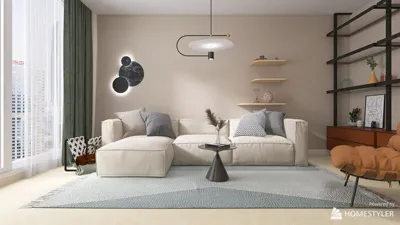


Over my ten years in interior design, I've discovered that utilizing a carefully selected color palette—such as red, grey, and black—can be remarkably liberating while also making a dramatic statement. Contemporary living room styles favor striking contrasts paired with clean lines, and I believe that smaller spaces particularly thrive from a well-planned cohesive color scheme. Today, I'm excited to share 10 design inspirations for red, grey, and black living rooms, blending my own insights with effective design techniques to ignite your creativity and demonstrate how compact areas can inspire grand ideas.
Red Accent Wall as a Focal Point
My Perspective: I once worked on a small urban loft where a rich crimson wall became the centerpiece of the area. The remainder of the room maintained neutral tones, allowing the red to shine without overwhelming the senses.
Benefits: It serves as an immediate focal point and pairs beautifully with grey fabrics and black metal details. The Color Marketing Group highlights that red can invigorate conversations, making it a perfect choice for a living room setup.
Drawbacks: A room entirely painted red may appear constrictive; thus, thoughtful lighting is essential.
Advice: If you're hesitant about such a bold move, consider starting with peel-and-stick wallpaper in a warm red hue instead of opting for permanent paint.
Layered Grey Textures
My Perspective: In a compact apartment project, incorporating light grey linen curtains, mid-grey wool rugs, and charcoal knits provided depth without needing additional colors.
Benefits: This technique enhances the feeling of space; grey serves as a subtle backdrop that highlights red and black accent pieces.
Drawbacks: Too much grey can risk feeling flat or cold without variation.
Merging this approach with minimalist storage solutions can help maintain an uncluttered visual atmosphere.
Statement Black Leather Sofa
My Experience: I recall a client’s black leather sectional complemented by scarlet throw pillows — a combination that's both timeless and daring.
Benefits: It's easy to maintain and durable; the black provides a grounding element against bright reds and cooler greys.
Drawbacks: It can dominate a smaller room; incorporating soft textures is crucial to avoiding a stark or overly formal appearance.
To balance, consider adding a textured wool throw or a chunky knit blanket to soften the overall look.
Geometric Red and Black Rug
My Observation: A patterned rug placed beneath a neutral sofa introduces the color palette without overwhelming the walls.
Benefits: It injects energy and movement; this approach is particularly effective in delineating open-plan spaces.
Drawbacks: Bold patterns can quickly become out-of-date — opt for designs featuring timeless geometry.
Example: In a recent renovation, this choice effectively established the seating area while allowing grey walls to maintain a serene ambiance.
Industrial Style Lighting
My Insight: Black metal pendant lights positioned over a coffee table instantly created a gallery-like feel in one client’s living area.
Benefits: These fixtures complement the red-grey-black palette well; adjustable lighting adds to the overall mood.
Drawbacks: Low-quality fixtures can deteriorate quickly; it’s wise to invest in high-quality options.
Combine industrial lighting with glass and steel elements for a unified aesthetic that extends throughout the living area.
Glossy Black Accent Furniture
My Remark: A gloss black coffee table infused sophistication into a small condo I designed, reflecting light beautifully.
Benefits: Reflective surfaces can create the illusion of a larger space; black also conceals minor signs of wear.
Drawbacks: It tends to exhibit dust and fingerprints easily, necessitating regular cleaning.
Keep cleaning supplies nearby, as shiny surfaces can reveal yesterday's spills with clarity.
Grey Feature Wall with Red Artwork
My Thoughts: A soothing grey backdrop allowed a large red abstract painting to take center stage in a client's residence.
Benefits: This setup is versatile for future art changes; it also mitigates the visual impact of bold red accents.
Drawbacks: It requires careful lighting to avoid appearing lackluster in dim settings.
Consider using track lighting to emphasize the artwork and introduce an element of drama.
Black Frame Gallery Wall
My Take: Arranging black frames with red and grey artwork elevated the eye line in a narrow room.
Benefits: It introduces verticality and personalizes the room without altering significant surfaces.
Drawbacks: If spacing and sizing aren’t consistent, it can feel cluttered.
Position the frames on the floor beforehand to try out different styles before committing to hanging them.
Elegant Red Velvet Armchair
My Opinion: I love how a single plush red armchair can transform a corner into the standout feature of the room.
Benefits: Its luxurious texture creates a personal reading spot full of character.
Drawbacks: Velvet can fade under strong sunlight; it’s best to minimize direct UV exposure.
Pairing it with warm grey-toned curtains can protect the fabric while maintaining aesthetic appeal.
Open Shelving with Color Coordination
My Perspective: In smaller spaces, open black shelving adorned with red ceramics and grey books turns storage into a design statement.
Benefits: Keeps essential items within reach and transforms storage into an attractive feature.
Drawbacks: Requires frequent tidying; visual clutter can accumulate quickly.
Tip: Rotate decorative items seasonally to refresh the display without needing new furniture.
Conclusion
For me, small living spaces represent precision rather than limitation. When crafted thoughtfully, a palette of red, grey, and black can be both striking and welcoming, which is supported by research from the American Society of Interior Designers. Which of these ten ideas would you be excited to try in your own home?
FAQ
1. Is a red, grey, and black palette appropriate for small living rooms?
Absolutely, provided it's balanced. Grey can open up the area, black adds stability, and red infuses personality. Keep dominant surfaces neutral while using red wisely.
2. How can I prevent the palette from appearing overly dark?
Incorporate lighter greys, glossy finishes, and reflective surfaces to amplify light.
3. Should finishes be matte or glossy?
A combination works best—matte finishes for walls and glossy accents provide depth and interest.
4. What materials pair well with this color scheme?
Look to elements like steel, soft fabrics such as velvet, and natural materials like wood to add warmth.
5. Can I use wood tones?
Certainly! Warm wood can soften the sharpness of the palette and create a more inviting atmosphere.
6. What is the best lighting type?
Layered lighting—ambient, task, and accent—will prevent the room from feeling flat, aligning with guidelines from the Illuminating Engineering Society.
7. Are patterns suitable in this color palette?
Yes! Geometric or abstract patterns work wonderfully, especially in rugs or throw pillows.
8. Where can I find more examples?
You can explore visually inspired rooms in 3D rendering showcases like Homestyler for motivation before making any decisions.
Homestyler is your go-to online home design platform! With its user-friendly design tool, stunning 3D rendering, and a wealth of design projects and DIY video tutorials, you can effortlessly create and visualize your dream space, whether you're a beginner or an experienced designer.
Progetta ora GRATIS
































