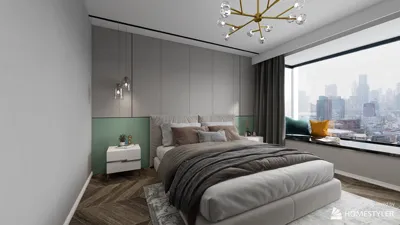


I once took on a project where I committed to painting an entire ranch in a shade known as 'timeless beige,' only to discover five slightly varying beiges clashing with each other throughout the day. It was a valuable lesson in color chemistry. Now, I kick off each project with a small mood board and a 3D visual to preempt any surprises, as even minor color decisions in a ranch can significantly alter its overall atmosphere. In this article, I’ll highlight five paint inspirations I’ve successfully utilized in actual projects, showcasing the power of color choices and tools like Homestyler to help visualize them.
1. Cozy Modern Farmhouse Color Scheme
Combining creamy whites with gentle greiges and complementing them with a matte black trim or shutters can create a relaxed and stable ambiance for the ranch, providing that modern punch that catches the eye. This combination offers timeless curb appeal, while the challenge lies in selecting a white hue that harmonizes beautifully with both the siding and roofing—be sure to test your samples in various lighting conditions outdoors.
save pin
2. Classic Neutrals with Contrasting Trim
For long, flat ranch designs, painting the main body in a warm greige paired with a bright, off-white trim, and accenting with a darker door for visual interest can make the house appear elongated and neat from afar. This approach is cost-effective and simple to maintain, though ensuring consistent sheen across different materials like wood, vinyl, and metal does require some extra labor.
save pin
3. Dramatic Indoor Accent Walls
In one charming ranch living room, I added a deep, moody green to the fireplace wall, while keeping the surrounding areas a subtle linen shade. This choice instantly added depth without constricting the space. Although deep shades can be bold, they might necessitate multiple applications and a quality primer; however, the resulting transformation justifies the effort.
save pin
4. Two-Tone Exterior with Natural Elements
Two-tone exteriors, featuring a darker lower half and a lighter upper portion, fit ranch homes beautifully as they ground the architecture within the landscape. During a renovation, I paired this design with stained wood posts and a stone foundation, giving it a customized feel without the need for a complete overhaul. If you're working with a limited budget, consider focusing specialty finishes only in highly visible areas.
save pin
5. Seamless Indoor-Outdoor Transition
A recent strategy I employed involved selecting an exterior porch color that resonates with an interior accent to create a cohesive transition. This continuous flow helps to make a single-story design feel more spacious and well-curated. It's a simple enhancement to implement during a repaint that yields immediate aesthetic benefits, fostering a sense of unity from the curb to the kitchen. You might explore tools like Homestyler for quick layout mockups to visualize how colors and furniture integrate together before making permanent decisions.
save pin
Practical Advice and Budget Insights
Always assess paint samples in various locations, as factors like climate, sunlight, and landscaping can alter perception. Matte finishes disguise flaws effectively but are more challenging to clean, while satin finishes on trim provide a nice middle ground. For older ranch homes, remember to include preparations like scraping and priming, as these labor-intensive tasks can save a great deal of trouble later.
save pin
Real-life Mini Story
In a recent mid-century ranch project, I replaced an all-white exterior with a warm stone gray complemented by a rust-colored door, a decision that felt risky until friendly neighbors started complimenting the transformation. The primary challenge was harmonizing the new gray with existing brick tones, but after adjusting the undertones, it all came together beautifully. If you’d like to preview intricate palettes in 3D, leveraging tools like Homestyler can significantly aid clients in making quicker decisions.
save pin
Final Consideration
Ranch homes offer a forgiving canvas; their horizontal lines and single-level structure reward thoughtful color applications. Select two primary colors, test them under natural light, and don’t hesitate to introduce a bold accent. If your focus is on the kitchen, coordinating cabinetry and surrounding trim ensures that the heart of the home feels deliberate—smart kitchen layouts can facilitate harmony between color and functionality, making the most of your space.
save pin
FAQ
1. What are the best exterior colors for ranch homes?
I recommend warm neutrals, such as greige, soft gray, and muted tans, paired with a bolder accent color on doors or shutters to enhance personality. Take into account the landscaping and roof color when selecting undertones for the best outcome.
2. How do I choose the right white for trim?
Examine samples against the siding at different times of day; warm whites will appear creamier and are more forgiving while cool whites appear crisper but may feel stark. Utilize small peel-and-stick samples for swift comparisons and decisions.
3. Can dark colors make my ranch look smaller?
Dark tones can visually recede surfaces, yet when thoughtfully applied—like on trim or an accent wall—they can significantly enrich depth without diminishing the overall size of the home. For single-story residences, darker lower halves can actually ground the structure effectively.
4. Should I paint the trim lighter or darker than the body?
Both approaches have merit; lighter trims offer contrast and a classic look, while darker trims lend a modern touch and highlight architectural elements. Choose based on the aesthetic statement you aim for and the level of maintenance you are prepared to undertake.
5. What preparations are necessary for repainting an older ranch?
Adequate preparation involves scraping off loose paint, repairing wood surfaces, and applying a high-quality primer—especially if lead paint is a concern in homes constructed before 1978. Be sure to adhere to lead-safe practices in accordance with the U.S. Environmental Protection Agency (EPA).
6. What type of finish should I select for exterior paint?
Satin or low-luster finishes are both forgiving and easier to maintain; while flat finishes can hide imperfections, they are more challenging to clean. For high-touch trim, satin is the best choice for durability.
7. How do landscaping and lighting impact color choices?
The hues in landscaping, seasonal changes, and outdoor lighting can significantly influence how paint colors appear—always test samples near plants and under porch lights to ensure compatibility across different seasons. Natural shade may cool down colors, while sunlight can warm them.
8. Can I synchronize my interior and exterior color schemes?
Absolutely—utilizing a consistent undertone or a shared accent color that appears both indoors and outdoors can create a unified look. This small adjustment greatly enhances the connectivity across ranch layouts.
save pin
Discover the ease of home design with Homestyler! This online platform offers an intuitive design tool, stunning 3D renderings, and a wealth of DIY video tutorials. Perfect for anyone looking to transform their space, it’s never been easier to bring your interior design dreams to life!
Diseño ahora GRATIS
































