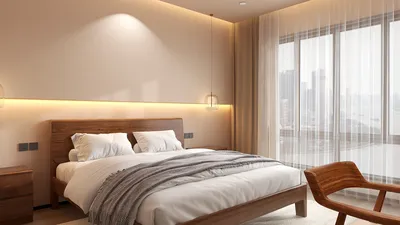


In recent years, natural, textured wall designs have surged in popularity, with pallet walls emerging as a preferred choice for adding warmth and character to living rooms. I’ve discovered that designing for smaller areas can ignite greater creativity, prompting thoughtful use of every texture, tone, and inch available. Today, I’ll present 10 captivating pallet wall ideas that I’ve personally executed or observed in successful interiors, blending my design insights with professional expertise, all while integrating the benefits of using Homestyler for visual planning.
1. Rustic Charm with Reclaimed Wood
My Experience: I once revitalized a narrow living room in an apartment using a wall made of uneven, weathered pallets, instantly infusing the space with charm. It resembled a cozy mountain retreat amidst the urban hustle.
Advantages: Introduces natural texture and warmth, complements farmhouse and industrial aesthetics; using reclaimed materials is economical and environmentally friendly, potentially lowering décor expenses by up to 30%, according to HGTV.
Disadvantages: Darker wood tones can make smaller spaces appear dim.
Tip: Apply a light matte varnish to protect the wood while keeping the finish understated.
2. Whitewashed Pallet Wall
My Experience: In a recent makeover, I utilized whitewashed pallets for a client desiring a coastal ambiance, allowing the wood grain to peek through and creating a soft atmosphere without overwhelming the room.
Advantages: Maintains a bright, airy feel while offering texture; aligns well with minimalist or Scandinavian styles.
Disadvantages: White finishes are prone to showing dirt and blemishes more visibly.
Consider pairing with light-toned, modern furniture arrangements to enhance the space’s openness.
3. Vertical Pallet Strips
My Experience: Arranging pallets vertically elongates the appearance of the room, making it ideal for spaces with low ceilings. I’ve effectively used this technique in urban condos to create an illusion of height.
Advantages: Introduces architectural interest; visually elevates the room; pairs nicely with tall bookshelves or windows.
Disadvantages: This approach requires more precise cutting and installation than horizontal layouts.
4. Mixed Stain Tones
My Experience: I created a vibrant feature wall for a loft client by mixing various wood stains, turning it into a conversation starter during gatherings.
Advantages: Provides depth of color; easily adaptable to match existing décor schemes.
Disadvantages: Can appear chaotic if the tones are overly similar or excessively diverse.
5. Floating Shelves with Pallet Backdrop
My Experience: Combining functionality with design, I implemented floating shelves against a pallet backdrop to provide style and storage in a one-bedroom project, showcasing books and plants beautifully.
Advantages: Offers both decorative and storage benefits; shelves stand out against the textured background.
Disadvantages: Requires careful anchoring to support the weight of the items displayed.
Ideal for compact spaces where vertical storage is crucial.
6. Painted Accent Pallet Wall
My Experience: For clients seeking bolder hues, I’ve painted pallet walls in deep navy or rich emerald tones for an eye-catching contrast.
Advantages: Adds personality; painted wood retains a soft texture.
Disadvantages: Paint may chip if the surface preparation is inadequate.
7. Pallet Wall with LED Strip Lighting
My Experience: Incorporating warm LED strips between pallet slats introduced inviting mood lighting for a cozy movie night atmosphere.
Advantages: Enhances ambiance; ideal for evening relaxation; energy-efficient.
Disadvantages: Installation involves hidden wiring, which can be tricky.
8. Chevron Pattern Pallet Wall
My Experience: Crafting a chevron pattern was labor-intensive but resulted in a stunning geometric feature wall that left a lasting impression on visitors.
Advantages: Offers striking visual appeal; versatile enough for both rustic and contemporary interiors.
Disadvantages: Requires additional pallets and angled cuts, potentially increasing costs.
9. Half-Height Pallet Wainscoting
My Experience: For a subtle design element, I’ve opted to install pallets only on the lower half of a wall, complemented by a painted finish above.
Advantages: Conserves materials; allows for easier re-coloring of the upper wall; adds sophistication without being overwhelming.
Disadvantages: May lack the robust rustic vibe of a full pallet wall.
10. Pallet Wall with Integrated Art
My Experience: One of my favorite projects involved designing art into the pallet structure, framing pieces within larger panels to create a gallery-like wall.
Advantages: Creates a unique, personal space; minimizes the need for separate wall decorations.
Disadvantages: If preferences change, swapping out artwork can be challenging.
This approach worked exceptionally well in a loft where creating statement focal points was essential.
Summary
From my perspective, a small living room doesn’t restrict creativity — rather, it invites innovative pallet wall designs. Whether you choose a rustic full wall or an elegant accent, each method can significantly enhance your environment. As noted by Better Homes & Gardens, tactile finishes like wood can make a room appear up to 20% warmer visually. Which of these pallet wall concepts would you be eager to explore using Homestyler?
FAQ
Q1: Are pallet walls safe for indoor living rooms?
Yes, but ensure they are properly sanded, cleaned, and treated for pests. Avoid pallets marked with chemicals like 'MB.'
Q2: What is the average cost of installing a pallet wall?
Typically, DIY expenses range from $50 to $200, depending on size and finish. Utilizing reclaimed pallets can help lower costs.
Q3: Can I install a pallet wall in a rented space?
Yes, but utilize removable mounting options or freestanding panels to avoid wall damage.
Q4: How do I prevent a pallet wall from darkening my living room?
Choose whitewashed or lighter stains, or incorporate integrated lighting to brighten the area.
Q5: Are pallet walls still a trend in 2024?
Yes — data from Houzz indicates a steady increase in interest for natural-textured accent walls, particularly in smaller areas.
Q6: Can pallet walls complement modern interiors?
Absolutely. Combine them with clean-lined furniture and neutral color schemes for a striking contrast.
Q7: Which pallet wall idea is the simplest to begin with?
Half-height wainscoting or a straightforward whitewash are both beginner-friendly, requiring minimal tools and skills.
Q8: Do pallet walls require upkeep?
Regular dusting and occasional resealing will keep the wood in good shape; spaces with high humidity may require additional attention.
Discover the joy of home design with Homestyler! This user-friendly platform offers an innovative online design tool, stunning 3D renderings, and a wealth of DIY video tutorials. Whether you're an expert or a beginner, bring your creative vision to life effortlessly!
Progetta ora GRATIS
































