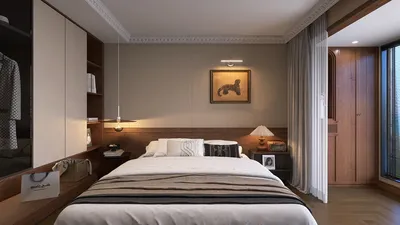


I often chuckle when I recall the time a client insisted on painting a neon magenta accent wall in their 9-foot-wide guest room. I had to gently guide them towards a more serene alternative. This experience taught me that choosing the right paint can significantly influence the mood of a small space, and that compact areas often require bold, thoughtful choices. In this article, I will provide five paint inspirations that are effective in actual homes, as well as the valuable lessons I've learned through trial and error. For a quick visual understanding of how these ideas can be applied in layouts, be sure to check out some of my favorite space planning examples, including those created using Homestyler.
1. Soft Neutrals with a Single Statement Wall
I typically begin with warm greige or a gentle taupe on three walls, selecting a deeper, soothing color for the wall behind the bed. The benefit is clear: neutrals can create the illusion of a larger space, while the statement wall adds character without being overpowering. However, be cautious when choosing a statement color that may clash with bedding or artwork—always test fabric swatches in your room’s lighting to ensure harmony.
save pin
2. Pastel Ombre for Cozy Depth
An ombre effect that transitions from a soft blush at the top to a delicate cream near the floor can lend vertical depth and a cozy scale without stark contrasts. This style is forgiving of scuffs and gives a boutique-hotel ambiance at a more affordable price. The only drawback: ombre techniques require patience and precision, so I recommend practicing on a board or enlisting a professional for the best results.
save pin
3. Moody Jewel Tones for a Luxurious Guest Suite
Using deep teal or muted emerald across all four walls can make a small room feel instantly opulent and cocooning. I often complement these rich hues with high-contrast trim in warm white and brass fittings to prevent the space from feeling stifling. To visualize how these colors will look throughout the day, consider creating 3D mockups, possibly using tools like Homestyler to see how light affects the room at various times.
save pin
4. Two-Tone Walls with a Mid-Rail Divider
Applying a darker shade on the lower half of the wall and a lighter tone on the upper half can create the illusion of taller ceilings and introduce architectural interest without the need for molding. This cost-effective method allows for a bold base color while keeping the upper area of the room feeling airy. The minor challenge here is ensuring the dividing lines are crisp—using painter’s tape and lightly sanding between coats will yield the best outcome.
save pin
5. Washable White with Colorful Accents
Opting for a durable, washable white (preferably slightly warm rather than stark) for walls maintains brightness and provides flexibility for changing accessories like pillows and artwork. This design works seamlessly for a shared guest room with varying tastes, keeping upkeep simple. To realistically assess your chosen palette, try creating color layout previews and placing sample swatches next to flooring and window treatments.
save pin
FAQ
Q1: Which paint finishes are most suitable for a guest room?
Eggshell or satin finishes are often my preferred choices for walls, as they strike a good balance between durability and a soft sheen that conceals minor flaws. Using semi-gloss for trim helps with easy cleaning and provides a crisp contrast.
Q2: How can I select a color that enhances small rooms?
Opt for lighter, warmer neutrals that visually expand the space, and introduce one accent wall or trim color to add interest without constricting the area. Be mindful of how both natural and artificial light affect the colors throughout the day.
Q3: Are dark colors unsuitable for small guest rooms?
Not necessarily—dark colors can impart an intimate and luxurious atmosphere if balanced well with light bedding, reflective metals, and adequate lighting. The key is to avoid excessive dark surfaces simultaneously.
Q4: How many paint samples should I test?
Always sample at least three swatches in the room: one neutral, one mid-tone, and one accent. Observe how they look in the morning and evening light for a comprehensive understanding of their appearance throughout the day.
Q5: Should I paint the ceiling the same color as the walls?
Choosing to paint the ceiling a lighter shade than the walls can create a sense of height in the room, while matching them can enhance a cozy, boutique feel. My decision is influenced by the room's purpose and ceiling height.
Q6: How durable should the paint be in a guest room?
Moderately durable finishes (like eggshell or satin) are preferable, as guest rooms tend to experience occasional spills and scuffs; they are easier to maintain compared to flat finishes. For maintenance tips, refer to the manufacturer's guidelines from sources such as Sherwin-Williams.
Q7: Can I combine bold paint with patterned wallpaper?
Absolutely—using wallpaper on a single feature wall paired with complementary solid paint on the rest can avoid overwhelming visuals. Wallpapers provide texture and pattern without occupying floor space.
Q8: Any budget-friendly suggestions for repainting a guest room?
Sampling colors and focusing on one impactful wall is a cost-effective strategy that minimizes paint usage. Refinishing or repainting trim instead of replacing it is a great way to refresh the room without breaking the bank.
save pin
Homestyler is your go-to online home design platform! Its user-friendly design tool, stunning 3D renderings, and a wealth of inspiring design projects and video tutorials make it easy to create your dream space. No experience needed—let your creativity shine!
Design Now for FREE
































