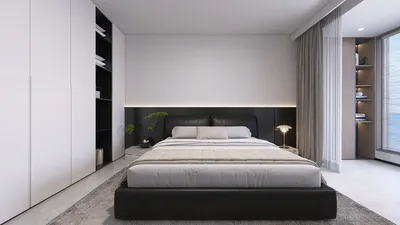


I once encountered a client who wanted their living room to embody a vibe described as “moodier than a rainy Tuesday.” Initially, I considered painting the ceiling black—until test swatches revealed a technique that could save the design. This little lesson taught me that choosing the right color can transform light, mood, and furniture decisions overnight, showing how color can work wonders, even in compact spaces. For those wondering how paint can enhance a designer living room, there's a fascinating space planning case study I created for a small apartment that highlights how intimate areas can ignite grand ideas. Now, I’ll guide you through five color inspirations that I’ve actually applied in projects, complete with practical advice and transparent trade-offs—all while utilizing the capabilities of Homestyler.
1. Moody Deep Greens
Rich hues like emerald and forest green provide a luxurious, cocoon-like atmosphere without needing to splurge on high-end materials. In one living room adorned with brass features, this shade concealed scuffs beautifully, making the wooden elements pop, although it’s essential to counterbalance in smaller spaces with lighter textiles and shiny metals. If you relish a dramatic flair, this design choice is timeless, but be prepared to adjust your lighting to prevent a cavernous feel.
save pin
2. Soft Warm Neutrals
Consider warm greige or sandy taupe—neutral doesn’t imply dullness. During a condo makeover, I associated warm neutrals with terracotta elements to cultivate a cozy and adaptable environment for rotating artwork, which serves as an enduring background. The drawback is that neutrals can appear lackluster if texture is ignored, so layering rugs, throws, and varied finishes can bring remarkable depth to the space.
save pin
3. Dusty Blue-Greys for Calm
Dusty blue-greys create a tranquil designer aesthetic without venturing into pastel territory. I often advocate these tones for open-concept living spaces, as they seamlessly link the kitchen and lounge areas; they brighten with white trim but could potentially clash with certain yellowish woods. A helpful hint is to examine swatches at various times of day—cooler tones can shift significantly under warmer evening light.
save pin
4. Accent Walls with Earthy Terracotta
Introducing one terracotta accent wall can instantly infuse warmth into a contemporary living room, accentuating features like a fireplace or shelving. I applied this strategy when clients desired character on a budget—the warm clay hue beautifully complements greenery and leather, yet it’s a bold choice that may limit some upholstery options. If you’re uncertain, consider painting a removable panel or utilizing a faux finish for a seasonal change.
save pin
5. High-Contrast Monochrome
Utilizing black trims or a charcoal feature wall against crisp white walls creates a stunning, gallery-like statement that highlights artwork and furniture shapes. This approach is particularly appealing in modern environments where cleanliness and intentionality are key; however, it can come off as stark without incorporating softer textiles or warm lighting. Plan for sconces and rugs to soften the aesthetic. For concrete visual examples, I often reference a photorealistic 3D render created through Homestyler for concept presentations.
save pin
FAQ
Q1: How do I select a paint color for a small living room?
A1: Begin with the natural light available—north-facing rooms typically favor warmer tones, while south-facing areas can accommodate cooler shades. It’s wise to test large swatches on different walls and monitor them throughout the day to observe color changes.
Q2: What finish is ideal for a living room?
A2: My preferred finishes are eggshell or satin, as they strike a balance between durability and soft reflection. Matte finishes work well on ceilings, while satin is ideal for trims, offering easy cleanup and subtle contrast.
Q3: Can dark colors make a space feel smaller?
A3: Indeed, darker colors tend to recede, giving a room a cozier feeling; however, when paired with adequate lighting and mirrored or metallic elements, a dark palette can convey intimacy rather than compactness.
Q4: Are trendy colors a poor investment?
A4: While trends can invigorate a space, I advise using them in accent areas—like a single wall or decorative details—rather than an entire room for lasting appeal. This allows you to update accents affordably as trends shift.
Q5: How do I harmonize paint with existing furniture?
A5: Choose three colors from your primary furniture—one dominant, one secondary, and one accent—and apply the dominant color as the wall shade or neutral backdrop for seamless cohesion and easier styling.
Q6: Which paint brands are known for accurate color representation?
A6: Well-regarded brands like Benjamin Moore and Farrow & Ball, with high pigmentation, generally produce more precise finishes; Benjamin Moore’s color ranges are frequently chosen by professionals for reliability. Always remember to order sample pots for final verification.
Q7: What are the costs for professional color consultations?
A7: Rates can vary significantly—some designers may include it in their overall room fees, while others charge hourly. For those going the DIY route, virtual consultations or a single on-site meeting can provide an economical compromise. You can also experiment with detailed layouts using free tools like Homestyler.
Q8: Any last-minute tips for selecting living room paint?
A8: Live with paint samples for at least a week, synchronize with your lighting and flooring selections, and don’t overlook how trim and ceiling colors can influence perceived size. Minor modifications—switching to eggshell from flat or adjusting undertones—can often lead to significant improvements.
Homestyler is your go-to online home design platform! With its user-friendly design tool, stunning 3D renderings, and a wealth of design projects and DIY video tutorials, you can effortlessly create and visualize your dream spaces. Transform your home design journey today!
Concevez maintenant gratuitement
































