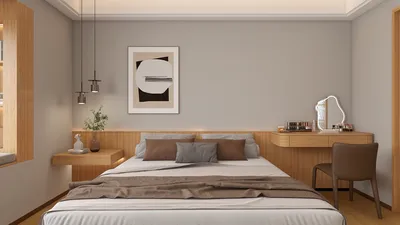


In my experience, painting a small apartment involves selecting various samples for each wall due to a client's desire for unique personalities in the space. It may seem chaotic; however, it taught me a valuable lesson. To avoid wasting paint, I quickly grasped how to visualize the space in 3D, evaluate natural light at various times of the day, and then decide on a final choice. Working with limited square footage sparks creativity, as the right color can truly create the illusion of a larger area. Here are five inspiring paint colors that I've successfully used in actual projects to make a room appear more spacious, incorporating the design tool Homestyler for planning.
1. Soft Warm Whites
For compact living spaces, I often recommend a soft warm white rather than an intense bright white. This shade not only bounces light around the room but also conceals minor flaws, keeping the atmosphere inviting. One drawback is that in poor lighting conditions, it may appear overly beige, so it's crucial to test samples near windows. For projects on a budget, opt for an eggshell finish; it offers a warm feel without the harsh glare of high-gloss options.
save pin
2. Subtle Greige for Added Dimension
The combination of gray and beige, known as greige, adds dimension while remaining neutral. In a studio remodel, I chose greige to maintain the elegance of gray without making the room feel cramped; this was achieved by keeping the trim and ceiling lighter. The challenge here is that the undertones can alter with varying light, thus it's advisable to bring samples into the space at different times throughout the day.
save pin
3. Soft Pastel Blues to Create Depth
Cool pastel blues can give the illusion of receding walls, making them an excellent choice for narrow bedrooms or hallways. These hues are visually soothing and complement white trim beautifully; however, it’s worth noting that intense blue shades may feel cold in north-facing rooms. During design planning, I often advise clients to utilize Homestyler to sketch out furniture placements alongside their color choices for optimal visual impact before committing to paint.
save pin
4. Delicate Monochrome Contrast
Instead of employing a uniform color across all walls, consider selecting a slightly darker shade for added depth—like a soft dove gray in contrast with lighter walls. The key is to maintain low contrast so that the room feels cohesive; high contrast can disrupt visual flow. I implemented this technique in a small dining nook, where varying values within the same color family made the area appear intentional and more spacious.
save pin
5. Reflective Ceilings and Trim
Using a lighter, high-reflectance white for ceilings can elevate the space; the same principle applies to glossy or satin finishes on trim. I once advised a client looking to brighten their home on a budget to go for a lighter ceiling while keeping wall colors consistent for an instant uplift. If you're embarking on a kitchen redesign, these small adjustments can enhance the visual footprint without the need for major structural changes.
save pin
FAQ
Q: What single color is best for making a room look more spacious? A: A warm white with subtle yellow undertones tends to create an expansive feel due to its light-reflective properties, preventing walls from appearing flat. Always test samples in different lighting before making your final choice.
Q: Do glossy finishes contribute to a room appearing larger? A: Yes, glossy surfaces reflect more light, which can add a sparkly effect, though they may also highlight imperfections. It's best to use gleaming finishes sparingly on trims or ceilings for a lift, while opting for eggshell or satin on walls.
Q: Should I choose cool or warm tones for compact spaces? A: Cool tones, like soft blues and light grays, tend to visually recede, making a room feel more expansive; conversely, warm tones add a cozy ambiance. The ideal choice hinges on lighting and the desired atmosphere.
Q: Can an accent wall disrupt the perception of space? A: A stark accent wall may fragment a small area, yet a nuanced, deeper hue within the same color family can introduce depth without constraining the space. I generally recommend low-contrast accents for smaller environments.
Q: What’s the best method to test paint colors at home? A: Apply large 2x2 foot samples on various walls and observe them at different times of day. Evaluate the samples with your primary furniture nearby to assess how the undertones interact with fabrics.
Q: Will my chosen color change under different lighting? A: Definitely—both natural and artificial light significantly alter how colors are perceived. North-facing rooms may show cooler undertones, whereas south-facing areas can warm up the shades considerably.
Q: Any quick and cost-effective tips? A: Start by purchasing small sample sizes and settle on one main color; you can use more economical paints for ceilings while investing in durable quality where it counts, like entryways. Minor adjustments like lighter ceilings and brighter trims can transform the space dramatically without breaking the bank.
Q: Is there any evidence supporting that light colors create a sense of spaciousness? A: Absolutely—paint companies like Sherwin-Williams provide insights indicating that lighter and more reflective shades enhance perceived space by maximizing light reflection. For further details, refer to Sherwin-Williams’ color resources.
save pin
Originally incubated at Autodesk, Homestyler has grown into one of the most widely adopted home design platforms in the world, now trusted by over 18 million users. Whether you're a homeowner exploring ideas or a professional designer delivering client-ready renders, Homestyler brings industry-leading 3D technology to your fingertips — no experience required.
Discover Homestyler, the ultimate online home design platform! With its user-friendly design tool, stunning 3D renderings, and a wealth of inspiring design projects and DIY video tutorials, you can effortlessly create your dream space, no matter your experience level. Start designing today!
立即免费设计
































