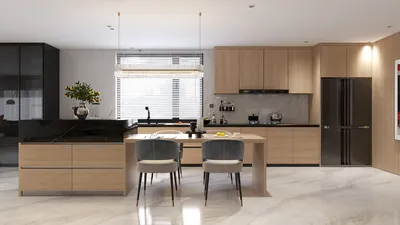


Having dedicated over a decade to home design, I've witnessed firsthand how wall painting can dramatically alter the atmosphere of a living room. Recently, the focus has shifted toward serene, earthy tones complemented by striking accent walls. Through my own endeavors, I've realized that even the tiniest spaces often inspire the most innovative design—especially when selecting colors and textures. Today, I will share 10 wall painting ideas that blend my personal insights with established design principles, including tools like Homestyler for planning layouts.
1. Minimalist Neutrals with Textured Finish
My Perspective: I once revamped a small living room using a gentle beige and a subtle plaster finish—it immediately exuded a calm yet elegant vibe. Wall finishes that are understated but textured can give even limited spaces a sense of spaciousness.
Advantages: Harmonizes with various décor styles, reflects ambient light, and provides a soothing backdrop for standout furnishings.
Disadvantages: May seem overly simple without the addition of layered decor or artwork; might not appeal to those who favor vibrant color schemes.
2. Deep Navy Accent Wall
My Perspective: In a bachelor’s urban loft, I painted one wall navy blue, instantly adding depth without overpowering the area.
Advantages: Boosts contrast, conceals minor wall flaws, and pairs exquisitely with metallic decor and warm wooden elements. As noted by Sherwin-Williams in their 2023 report, darker hues can enhance the perception of luxury.
Disadvantages: May make small rooms feel more confined if combined with other dark colors; requires sufficient lighting to truly shine.
3. Warm Terracotta Glow
My Perspective: A cozy, desert-inspired hue transformed a drab rental into a warm retreat for a client. This color works wonderfully with natural textiles and indoor plants.
Advantages: Adds warmth, complements materials like rattan and linen, and shines in photographs for social media.
Disadvantages: May clash with cooler-toned furnishings; vivid pigments may necessitate multiple coats for even application.
4. Half-Painted Two-Tone Walls
My Perspective: Using soft grey on the lower half of a wall and white on the upper part creates an optical illusion, making the space feel taller.
Advantages: Adds architectural appeal, allows for quick updates without repainting the entire wall, and suits both modern and traditional styles.
Disadvantages: Requires careful taping; errors in color proportions can disrupt the aesthetic.
5. Muted Sage Green
My Perspective: This color immediately softens the atmosphere of a room—perfect for those yearning for a nature-inspired feel.
Advantages: Very trendy, calming, pairs beautifully with wood, and supported by color psychology research indicating its ability to reduce anxiety.
Disadvantages: Can fade quicker in brightly lit areas; may struggle to match with bold primary shades.
6. Geometric Color Blocks
My Perspective: In a contemporary apartment, I created an abstract mural with angled pastel blocks on one wall—guests often mistook it for wallpaper.
Advantages: Makes an eye-catching centerpiece, can be personalized with any color scheme, and serves as a cost-effective way to incorporate art directly on your walls.
Disadvantages: Can be challenging to repaint if tastes evolve; risk of overwhelming the space if used excessively.
Tip: Use painter’s tape for clean edges and sketch out shapes digitally, much like planning a room layout in Homestyler to optimize wall art placement.
7. Soft Blush Pink
My Perspective: Applying this hue to a compact lounge wall created a warmer, more inviting space without crossing into overly feminine territory.
Advantages: Reflects flattering light, complements gold and warm wood tones, and fosters a gentle romantic ambiance.
Disadvantages: Might not fit ultra-modern or industrial themes; certain shades can appear outdated without careful selection.
8. Charcoal with Metallic Highlights
My Perspective: For a client with a flair for drama, I combined charcoal paint with hand-painted gold accents—creating a luxurious, moody environment.
Advantages: Elegant, conceals smudges easily, adds dimension; metallic details create a playful light reflection.
Disadvantages: Tends to show dust; can absorb light if the room is inadequately illuminated.
9. Bold Mustard Statement Wall
My Perspective: Over the years, mustard has proven to energize dull spaces—fantastic for placement behind a sofa or in a cozy reading nook.
Advantages: Trendy, invigorating, warm; complements navy, teal, and wood elements.
Disadvantages: Might overwhelm smaller areas if not balanced well; can be difficult to pair with certain art styles.
For example: mustard effectively highlighted a textured surface in a project where wooden accents contributed a natural warmth.
10. Color-Washed Ombre Effect
My Perspective: A soft gradient from pale blue to white in a room with high ceilings led guests to remark that it felt ‘like the sky came indoors.’
Advantages: Provides a dreamy, artistic appearance; each wall is unique; smoothens color transitions.
Disadvantages: More labor-intensive; requires skill to avoid uneven lines during blending.
Conclusion
When it comes to wall painting in a living room, the focus should be on making thoughtful, personalized decisions rather than following rigid rules. Particularly, small spaces can radiate with charm when colors are chosen mindfully and paired thoughtfully—this principle is echoed in the 2023 trend report by the American Society of Interior Designers. Which of these 10 ideas are you most eager to implement in your own environment?
FAQ
1. What is the best color for a small living room? Light neutrals such as beige or soft grey can help to reflect light, making the room feel more spacious.
2. Are dark colors appropriate for living room walls? Absolutely, especially as accent walls; just ensure there is ample lighting to avoid a cramped feel.
3. How can I add texture to my wall paint? Techniques like sponging, plastering, or textured rollers can introduce depth.
4. How frequently should I repaint my living room? Typically every 5 to 7 years, but areas with significant foot traffic may need touch-ups sooner.
5. What paint finish is most suitable for living rooms? Eggshell or satin finishes provide a balance of durability with a pleasing sheen.
6. Can wall painting enhance perceived property value? Fresh, modern color choices can increase attractiveness to potential buyers, according to data from the National Association of Realtors.
7. How do I select complementary colors for my furniture? Utilize a color wheel for harmonies or contrasts; digital planning tools can aid in visualizing combinations.
8. Is DIY wall painting a viable option for beginners? Definitely, starting with small accent walls and preparing adequately can lead to impressive results.
Homestyler is your go-to platform for transforming home design ideas into reality. With its user-friendly online design tool, stunning 3D renderings, and a wealth of DIY video tutorials, you'll find everything you need to create and visualize your perfect space effortlessly!
تصميم الآن مجانا
































