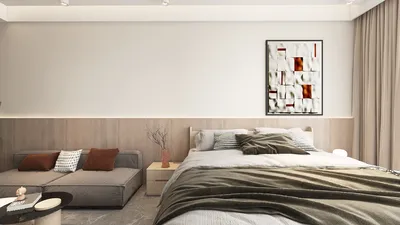


With over ten years of experience in designing both small and spacious living areas, I’ve observed the impact a dark sofa can have on a room's ambiance. In 2024, design trends emphasize striking contrasts, layered textures, and eco-friendly materials, which often challenge creativity in smaller spaces. Here, I present ten inspiring living room concepts featuring dark sofas, blending my expertise with research-backed insights to empower you in styling your space confidently and effectively with tools like Homestyler.
1. Streamlined Design with Layered Textures
In a recent apartment renovation, a charcoal sofa was the centerpiece of the room. I maintained an airy atmosphere with sleek lines, enhancing the space with linen throws and a textured rug to add depth while keeping the focus on the sofa’s elegance without overcrowding.
Benefits: A streamlined design fosters visual openness, particularly beneficial in compact living rooms, while layered textures can prevent a dark sofa from dominating the space.
Drawback: A minimalist approach may feel unwelcoming without the inclusion of textiles or warm lighting.
Advice: For those who appreciate clean lines yet seek comfort, integrating soft, neutral-toned pillows can enhance the aesthetic. Explore examples of minimalist living room textures I’ve implemented with clients using Homestyler.
2. Light Hues for Stark Contrast
During the renovation of a narrow loft, applying a creamy white paint instantly brought out the richness of a dark navy sofa. This contrast transformed the area into a gallery-like setting for the furnishings.
Benefits: Light-colored walls magnify the feel of small spaces, providing a vibrant backdrop against darker seating options.
Drawback: Such walls may demand frequent maintenance due to marks and wear in busy areas.
Cost Insight: Investing in high-quality washable paint can prove beneficial in the long run.
3. Warm Wooden Features
I've frequently paired dark sofas, like an espresso model, with walnut coffee tables. The rich tone of the wood harmonizes beautifully with the boldness of the darker upholstery, creating a balanced ambiance.
Benefits: Wood accents introduce natural warmth, making darker sofas feel more inviting and cozy.
Drawback: Overusing various wood tones can lead to visual discord, so it's wise to limit yourself to one or two finishes for consistency.
Advice: Choose genuine wood or premium veneer for longevity.
4. Dramatic Accent Lighting
During a living room redesign, I strategically placed a floor lamp with a warm bulb that brilliantly illuminated a black velvet sofa, creating a captivating evening atmosphere.
Benefits: Well-placed lighting enhances mood and showcases the textures of fabrics beautifully.
Drawback: Poorly positioned lighting can cast undesirable shadows.
Advice: Mix ambient overhead lighting with focused task lamps for the best effect.
5. Glass Coffee Tables for an Airy Feel
Utilizing a glass coffee table in front of a dark sofa can keep a space from appearing cramped—a crucial insight I've gleaned from city apartment designs.
Benefits: Transparent furniture maintains a sense of openness while ensuring the dark sofa remains the focal point of the room.
Drawback: Glass surfaces require regular maintenance to keep them free from fingerprints.
Example: Discover how glass coffee tables injected a sense of depth into a modern living room arrangement I facilitated using Homestyler.
6. Boldly Patterned Rugs
In one of my client’s dens, a vibrant Persian-inspired rug complemented the dark sofa, grounding the space while injecting character.
Benefits: Patterns can anchor the room visually and detract from limited square footage.
Drawback: Busy patterns may clash with other upholstery designs.
Advice: Choose one dominant patterned element to minimize visual clutter.
7. Metallic Accents for a Touch of Glamour
Integrating antique brass side tables with a deep green sofa in one of my projects struck the perfect balance between luxurious and approachable.
Benefits: Metallic finishes reflect light and contribute an element of sophistication to the decor.
Drawback: Excessive metallic features can lead to a gaudy appearance—minimalism is key.
Advice: Maintain consistent metal finishes to achieve a harmonious look.
8. L-Shaped Arrangement for Optimal Seating
For a family residing in a compact home, transitioning to an L-shaped layout provided additional seating while encouraging smooth movement around their navy sectional.
Benefits: Enables extensive seating with minimal crowding; perfect for open-plan layouts.
Drawback: This arrangement may not be suitable for extremely narrow areas.
Layout suggestion: Investigate L-shaped configurations that enhance space in multifunctional rooms with tools like Homestyler.
9. Adding Greenery for a Refreshing Touch
Incorporating plants softens the edges of a dark sofa; I often utilize tall fiddle-leaf figs to achieve height balance within the space.
Benefits: Plants bring vibrancy, texture, and enhanced indoor air quality, as noted in the NASA Clean Air Study.
Drawback: Real plants demand upkeep and suitable lighting conditions.
Advice: If you’re not a gardening enthusiast, consider resilient options like snake plants.
10. A Gallery Wall Above the Sofa
In my own living space, I curated a series of black-and-white photos above a charcoal couch, establishing a chic and personalized focal point.
Benefits: This design choice introduces vertical interest and enhances personal connection to the living area.
Drawback: Without careful planning around framing and themes, the arrangement may seem chaotic.
Advice: Use paper templates to trial different layouts before committing to wall space.
Conclusion
A dark sofa can be an exciting opportunity rather than a constraint—it encourages innovative thinking when designing your living area. By incorporating thoughtful contrasts, balanced textures, and strategic layouts, you can elevate your sofa to be the centerpiece of your room without overwhelming it. As Architectural Digest suggests, well-selected anchor pieces can encapsulate the essence of a home. Which of these ten dark sofa living room ideas are you most eager to try with Homestyler?
FAQ
1. What colors complement a dark sofa? Lighter shades such as cream, beige, soft gray, or sage green provide a lovely balance and prevent the atmosphere from feeling too dense.
2. How can I enhance a living room with a dark sofa? Implementing layered lighting, light-colored rugs, and reflective elements like mirrors or metallic accents can significantly brighten the space.
3. Are dark sofas suitable for small living rooms? Certainly, when paired with lighter surroundings and streamlined furniture, this combination fosters depth without making the area feel confined.
4. What flooring best complements a dark sofa? Warm wood tones, light oak, or subtle rugs can effectively counterbalance the intensity of dark upholstery.
5. How do I select an appropriate rug for a dark sofa? Look for patterns or colors that offer a slight contrast without competing for attention. Ensure the rug is sizable enough to anchor the seating area.
6. Is it possible to mix patterns with a dark sofa? Yes—just ensure they share a similar color scheme to maintain visual harmony.
7. Which type of coffee table works well with a dark sofa? Glass, light wood, or metal tables are excellent choices. You can view examples in our modern layout inspirations within Homestyler.
8. Are dark sofas difficult to maintain? Generally, darker fabrics are better at hiding stains, although some may show lint or dust more visibly. Regular vacuuming and applying fabric protection can help maintain their appearance.
Discover the ease of home design with Homestyler! This user-friendly platform offers a powerful online design tool, stunning 3D renderings, and a wealth of inspiring design projects. Plus, with DIY video tutorials, you can effortlessly transform your space into a dream home. Start creating today!
Desain sekarang Gratis
































