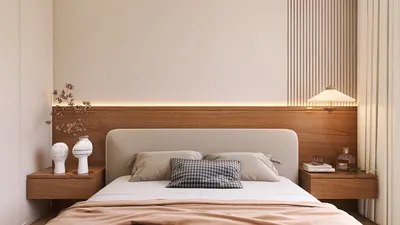


In the last ten years, I've observed a remarkable shift in living room aesthetics, transitioning from traditional gallery walls to eye-catching statement pieces. I believe that in smaller spaces, creativity flourishes the most — an oversized artwork can entirely redefine a room's atmosphere. Today, I’ll present 10 inspiring ideas for large wall art in living rooms, combining my personal design insights with professional recommendations to assist you in transforming blank walls into stunning focal points.
1. Large Abstract Canvas
Personal Insight: I once featured a floor-to-ceiling abstract canvas in a cozy apartment, and it immediately captured attention, creating an illusion of height and openness.
Benefits: Ideal for injecting color without causing clutter; complements modern and Scandinavian aesthetics; interior designer Emily Henderson mentions that large abstracts can effectively ground a neutral color scheme.
Drawbacks: Can come at a high price; transport might be challenging, and solid wall installation is required.
Advice: Always measure carefully — oversized art should ideally occupy about two-thirds of your sofa's width to achieve balance.
2. Oversized Photography in Gallery Style
Personal Insight: I selected an expansive black-and-white cityscape, nearly 2 meters wide, for a client's living area; it quickly became a popular topic at gatherings, similar to how minimalist living room storage designs can evoke conversation.
Benefits: Adds dramatic flair and narrative depth; timeless photography enhances urban, industrial, or modern spaces.
Drawbacks: Dark or moody images might make a room feel cramped; reflections from windows can impact visibility.
Cost-Saving Tip: Consider downloading high-resolution images from art platforms and printing them on canvas to save on expenses.
3. Multi-Panel Art Installations
Personal Insight: For a coastal-themed project, I commissioned a triptych depicting an ocean wave — the open spaces between panels injected movement and dimensionality.
Benefits: Facilitates easier transport by breaking down large images; adaptable to various wall sizes; creates a rhythm that draws the eye.
Drawbacks: Requires accuracy in spacing; misalignment can result in a disconnected appearance.
Advice: Utilize a level and spacers to maintain consistent alignment.
4. Large Textile Hangings
Personal Insight: I featured a handwoven macramé piece above a mid-century sofa; it enriched the texture and improved the room's acoustics.
Benefits: Infuses warmth and tactile character; perfect for bohemian or rustic designs; aids in sound absorption.
Drawbacks: May seem outdated if not paired with contemporary decor; can accumulate dust.
Example: Supporting local artisans by commissioning custom pieces ensures uniqueness and community engagement.
5. Expansive Wall Murals
Personal Insight: I collaborated with a mural artist to create a botanical-themed design for a client aiming for an indoor-outdoor feel; the transformation was striking.
Benefits: Establishes immersive environments; fully customizable themes; mural wallpaper can hasten the installation process.
Drawbacks: Permanent murals can be difficult to modify; costs can vary significantly based on design complexity.
Advice: Peel-and-stick murals are a practical option for renters.
6. Oversized Framed Mirrors as Art
Personal Insight: In a narrow living area, I used a gold-framed large mirror — similar to how glass backsplashes enhance kitchen spaces — to reflect light and create a spacious feel.
Benefits: Mirrors brighten rooms; create the illusion of larger spaces; functionally double as decor.
Drawbacks: Heavy-weight mirrors can be cumbersome; placement demands careful consideration to avoid awkward reflections.
Advice: Strategically position mirrors to reflect visually appealing aspects, like a lovely view.
7. Sculptural Wall Installations
Personal Insight: I once introduced 3D metal wall art that interacted with the light throughout the day, creating a dynamic artwork.
Benefits: Adds depth and dimension; appearance shifts with light changes; complements eclectic and modern design styles.
Drawbacks: Could overpower minimalist spaces; maintaining cleanliness can be a challenge.
Example: Materials like resin or foam can be used to mimic the look of heavier metals while staying lightweight.
8. Large Framed Maps
Personal Insight: In my own studio, I showcased a massive vintage world map — it serves both aesthetic and aspirational purposes, igniting dreams of travel.
Benefits: Unique and educational; suitable for traditional, eclectic, or travel-themed decor.
Drawbacks: Some stylized maps can quickly become outdated; framing can be a costly addition.
Advice: Opt for custom framing services to protect maps while enhancing your decor.
9. Large Botanical Prints
Personal Insight: I designed a cozy seating nook adorned with oversized tropical plant prints — reminiscent of an L-shaped layout that maximizes counter space — creating a lush, vibrant atmosphere.
Benefits: Brings the outdoors inside; aligns with biophilic design trends; brightens neutral spaces.
Drawbacks: May not fit well in highly formal settings; intense colors can feel overwhelming.
Advice: Maintain minimal framing to keep the focus on the artwork.
10. Digital Art Displays
Personal Insight: Recently, I installed a digital frame that rotates through various large-format artworks — clients enjoy the flexibility to update the display with a simple tap.
Benefits: Highly adaptable; can showcase any art style; ideal for those who prefer regular changes in their decor.
Drawbacks: Requires access to a power outlet; initial investment might be higher.
Advice: Utilize high-resolution images for a lifelike print quality.
Closing Thoughts
Even in a compact living room, your design possibilities are limitless, prompting more thoughtful and daring choices. Large wall art has the power to transform perceptions, enhance brightness, and set the ambiance for your entire home. As noted by the American Institute of Architects, strategic focal points can dramatically influence spatial perception. Which of these concepts are you most eager to try in your living space?
FAQs
1. What qualifies as large wall art for a living room?
Typically, pieces exceeding 36 inches in width are deemed large. Ensure proportions align with your wall dimensions and furniture scale.
2. At what height should I hang large artworks?
Place the piece at eye level — approximately 57 inches from the ground — for optimal viewing balance.
3. Can large wall art be effective in small living rooms?
Absolutely; a single oversized artwork can create the illusion of a larger space by minimizing visual clutter, as highlighted by Architectural Digest.
4. How should I select colors for my wall art?
Choose shades that either complement or contrast with your furniture and walls; utilizing a dominant hue can harmonize the room's design.
5. Should I frame my large art or leave it unframed?
It depends on the desired aesthetic — minimal, unframed canvases are ideal for contemporary settings; ornate frames suit traditional designs.
6. What’s the best way to hang heavy wall art?
Use wall anchors or studs; for items over 22 lbs, consider professional assistance for installation.
7. Can I create my own large wall art?
Definitely. Many clients have produced beautiful, affordable pieces using canvas, paint, and their creativity.
8. Where can I find unique large wall art?
Art shows featuring local artists, online galleries, and even AI-powered design tools, such as Homestyler, provide fresh ideas and perspectives.
Homestyler is your go-to online home design platform! Featuring a user-friendly design tool, stunning 3D renderings, and a wealth of DIY video tutorials, it empowers you to create beautiful spaces effortlessly. Dive into your next design project and watch your ideas come to life!
Projete agora para LIVRE
































