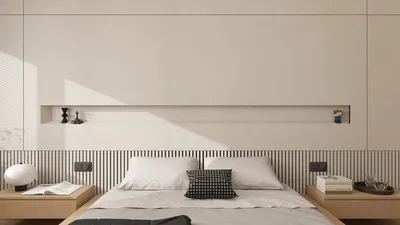


I once had a client uniquely desire to paint half the wall grey and the other half green, claiming it brought a sense of balance akin to a yin-yang. After experimenting with this concept on a mood board, I found an interesting space-planning technique that gave the split an intentional and calming effect rather than a chaotic one. This little incident illustrated to me how subtle choices in color placement can dramatically alter the ambiance of a room, proving that even in small spaces, big inspirations can emerge, especially when utilizing tools like Homestyler.
In this article, I’m excited to present five bedroom decorating ideas that feature grey and green hues which I have successfully implemented in real-life projects. Each suggestion is practical, mindful of budget, and comes with a slight caution so you can be well-informed about potential considerations.
1. Warm Soft Greys with a Sage Accent Wall
I enjoy beginning with a warm, soft grey for the primary walls, complemented by a sage-green accent wall behind the bed. This combination not only provides a soothing backdrop for bedding and textures to shine but also fosters a serene, spa-like atmosphere. The challenge lies in selecting the right undertones of grey to ensure it doesn’t appear too cold alongside the green.
Tip: Always test paint samples at different times throughout the day, and pair them with warm wood or brass hardware to create a balanced aesthetic.
save pin
2. Green Upholstery Set Against Grey Walls with Layered Textures
Incorporating a deep green velvet or linen headboard against medium grey walls can position the bed as the focal point without overpowering the space. Adding various textures such as a knit throw, woven rug, or matte lamp keeps the color palette engaging. This luxurious yet livable approach requires regular maintenance on the upholstery, and one should consider sunlight exposure to prevent fading.
Budget tip: Consider exploring thrift stores for frames or think about reupholstering a secondhand headboard to achieve a chic look for less.
save pin
3. Green Accents on a Monochromatic Grey Base (Ideal for Compact Spaces)
For smaller bedrooms, I often recommend maintaining grey tones for walls and substantial furniture while introducing green through art, plants, and cushions. This strategy brightens the room without overwhelming it visually, creating an illusion of spaciousness. I often illustrate this technique with a handy space-planning tool, helping clients visualize how a few green accents can shift the overall vibe.
That’s why I developed a quick space-planning trick at my studio, allowing me to digitally shift green accents around to observe their balanced effect before committing to fabric samples using Homestyler.
save pin
4. Botanical Wallpaper Coupled with Grey Trim
Introduce green by featuring a single wall with botanical wallpaper and painting the trims and ceilings a soft grey. This approach adds drama with flexibility — wallpaper can easily be installed over a weekend — while the grey trim helps anchor the pattern. However, be cautious with busy designs as they can become dated; opt for prints with timeless scales and colors you adore.
Practical tip: If you’re renting, look into peel-and-stick options which are more landlord-friendly and safeguard your deposit.
save pin
5. Muted Emerald with Matte Finishes and 3D Visualization
For a bolder aesthetic, match a muted emerald feature wall with matte grey cabinetry or shelving. Matte finishes offer sophistication and photograph well; just be careful as they tend to show marks more easily. I frequently visualize this combination for clients using mood boards and, when necessary, create photo-real 3D renders to confirm the desired look prior to painting.
If you’re keen to preview how light, texture, and layout will interact, consider visualizing your layout in 3D using Homestyler — it can prevent numerous phone calls and last-minute repaints during actual projects. And once you’ve finalized your design, I highly recommend producing photo-real 3D renders for final approvals, if the budget permits.
save pin
Tips 1:
A single, clear focal point is ideal for small bedrooms — whether it’s a green headboard, a botanical accent wall, or a textured throw. Keep the remaining color palette in soft greys and introduce metals or wood elements to add warmth to the scheme.
save pin
FAQ
Q1: What shade of grey pairs best with green?
A: Warm greys with subtle beige or green undertones beautifully complement most greens; steer clear of overly blue-toned greys unless you desire a cooler, more contemporary feel.
Q2: Can I use bright green in a bedroom without it feeling too energetic?
A: Absolutely — moderating bright green with larger areas of muted grey and natural fabrics will temper the vibrancy, fostering a restful environment.
Q3: Are green plants essential for achieving the grey-green aesthetic?
A: While plants contribute life and resonate with green accents, opting for faux plants or green artwork can serve as excellent alternatives if you’re short on natural light or time to care for them.
Q4: How can I ensure my green doesn’t clash with grey paint?
A: Conduct tests with paint and fabric swatches together under varied lighting conditions; a small sample board taped to the wall can help you avoid any unwanted surprises.
Q5: Which finish is more suitable for grey and green combinations, matte or gloss?
A: Matte finishes exude elegance and absorb light for a cozy atmosphere, while satin is easier to clean. Opt for satin in high-traffic zones or in spaces with children, while matte suits calming bedroom settings.
Q6: What is an economical way to incorporate green?
A: Reupholstering a thrifted chair, adding green linens, or using peel-and-stick wallpaper can introduce vibrant visuals without significant expenditure.
Q7: How can I ensure the colors age gracefully?
A: Favor muted or nature-inspired greens and mid-tone greys; neutral tones and classic patterns tend to remain timeless, avoiding feeling outdated unlike trend-heavy hues.
Q8: Are there any professional resources for selecting palettes?
A: Certainly — reputable paint manufacturers offer color pairing guides; for instance, Sherwin-Williams provides curated palette suggestions and undertone definitions on their website (https://www.sherwin-williams.com), which I frequently refer to when choosing paint.
save pin
Homestyler is your go-to online home design tool, perfect for creating stunning interiors. With impressive 3D rendering, a wealth of design projects, and helpful DIY video tutorials, you can effortlessly transform your vision into reality, making home design fun and accessible for everyone!
Design Now for FREE
































