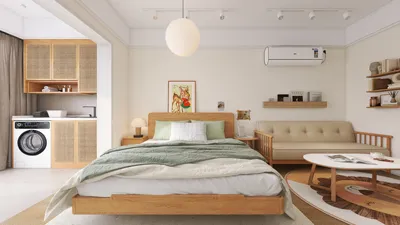


In recent years, there has been a significant evolution in interior design trends: daring and unconventional color combinations are now at the forefront. A personal favorite that has emerged is the green and purple living room trend, known for its vibrancy, sophistication, and remarkable adaptability. Particularly in compact settings, this dynamic color scheme can inspire creative approaches to finishes, textures, and layouts. This article presents 10 design ideas derived from both my practical experiences and expert recommendations, showcasing how to craft a living room that truly captivates attention, all facilitated by tools like Homestyler.
1. Jewel-Toned Accents
My Insight: During a previous project, a client worried that purple would dominate their small living room. We addressed this by introducing emerald-green cushions and amethyst vases, allowing each accessory to complement a neutral sofa beautifully.
Benefits: Jewel tones infuse a sense of opulence and depth, transforming green and purple into a rich palette instead of being overpowering. Carefully selected accessories enhance visual appeal while maintaining balance.
Drawbacks: An excess of jewel-toned accessories may lead to a cluttered appearance. It’s best to limit them to key decorative elements.
Recommendation: Start with 2-3 standout accents and increase as your confidence with the palette grows.
2. Botanical Prints with Velvet Textures
My Insight: I enjoy combining leafy motifs with luxurious velvet, creating a tactile delight that’s perfect for cooler seasons. In a recent design, I matched botanical prints with deep violet velvet chairs, producing a nature-inspired ambiance filled with depth.
Benefits: Green botanical motifs evoke an organic and calming vibe, while purple velvet introduces an element of sophistication and comfort. This combination also aligns perfectly with long-tail keywords like 'luxurious green and purple living room ideas' for optimal searchability.
Drawbacks: Velvet requires careful maintenance and may fade with extensive sun exposure.
Recommendation: Utilize UV-protective window film to help retain the fabric's vibrancy.
3. Ombre Painted Walls
My Insight: One of my bold clients opted for a stunning green-to-lavender ombre wall. It transformed the living room into a beautiful watercolor canvas.
Benefits: Ombre effects add a gradient appeal and can visually elevate ceilings. It’s particularly effective in small living spaces where subtle drama is desired.
Drawbacks: Achieving a seamless ombre effect can be tricky and may require professional expertise.
Recommendation: Test a gradient on a small sample board to perfect your design before committing to it on the wall.
4. Green Sofa with Purple Throw Pillows
My Insight: This is an affordable way to integrate the color scheme. A moss-green sofa complemented by lilac silk cushions creates an instant uplift without needing a full redesign.
Benefits: Changing pillows each season keeps the space feeling renewed, while maintaining a friendly contrast that suits various décor styles.
Drawbacks: You might need custom pillow covers to achieve the perfect shade pairing.
Recommendation: Experiment with textures by mixing silk with chunky knits for layered visual interest.
5. Wall-to-Wall Bookshelves Finished in Lacquer
My Insight: In a narrow space combining a home office and living area, we painted built-in shelves deep purple, styled with green vases and plants, which became the room's defining element.
Benefits: Built-in shelves maximize vertical dimensions, ideal for smaller areas. The lacquer reflects light and conveys a sophisticated atmosphere.
Drawbacks: Lacquer surfaces can be prone to scratches, and repairs can be expensive.
Recommendation: Keep shelf decorations minimal to allow the striking color to take center stage.
6. Layered Rugs
My Insight: Once, I layered a muted green jute rug over a large purple flatweave to establish cozy zones within an open-concept area, imparting casual depth without relying on heavy furniture.
Benefits: Layering rugs allows for a playful mix of colors while demarcating smaller spaces, making it perfect for multifunctional living areas.
Drawbacks: If not adequately secured, rugs can shift and bunch.
Recommendation: Use a non-slip underlay to maintain safety and tidiness.
7. Glass Partition with Color-Tinted Frames
My Insight: We created a smoked-glass divider with subtle green borders that paired beautifully with adjacent plum furniture. This design allowed for privacy without obstructing natural light, similar to how glass partitions enhance openness.
Benefits: Tinted glass introduces a modern touch and provides gentle separation without making the area feel confined.
Drawbacks: Tinted surfaces tend to show fingerprints more clearly.
Recommendation: Keep a microfiber cloth handy for quick clean-ups.
8. Artwork as the Color Connector
My Insight: Large canvas artwork serves as a unifying element for green and purple hues. I’ve implemented abstract pieces that incorporate hints of both colors to anchor otherwise neutral settings.
Benefits: Art can be changed out easily, enhancing flexibility. It fosters a cohesive aesthetic without necessitating a full furniture overhaul.
Drawbacks: Sourcing art that strikes the right balance of tones may require custom work or commissioning.
Recommendation: Explore student art fairs for unique, budget-friendly options.
9. L-Shaped Sectional with Color-Coded Cushions
My Insight: In one apartment, we used an L-shaped sofa to create distinct green and purple seating zones, subtly defining areas for conversation, akin to how L-shaped arrangements optimize usable space.
Benefits: Furniture zoning through color helps clarify the room's organization visually, perfect for open-concept small environments.
Drawbacks: Custom upholstery may be necessary to ensure a proper fit.
Recommendation: Test fabric samples in your room’s actual lighting before making a purchase.
10. Seasonal Refreshes
My Insight: The green and purple palette can feel vibrant in spring and warm in winter, depending on how you rotate textures and shades. For instance, I switch from light linen curtains to heavier eggplant drapes when cooler temperatures arrive.
Benefits: This approach keeps the room feeling rejuvenated without significant costs. Moreover, seasonal alterations allow you to experiment with trendier iterations of your color scheme.
Drawbacks: Seasonal textiles require storage solutions when not in use.
Recommendation: Vacuum-seal storage bags are excellent for maintaining the freshness of fabrics during off-seasons.
Conclusion
From my experience, utilizing a green and purple palette in a small living room is not a limitation; rather, it's a chance to be intentional and innovative. As noted in Houzz’s 2023 color trend report, bold complementary colors can create unforgettable spaces when applied wisely. Which of these ideas would you consider trying, possibly with the help of Homestyler?
Frequently Asked Questions
1. Is green and purple a suitable choice for a living room?
Certainly, especially when the tones and textures are balanced to create a vibrant yet sophisticated ambiance.
2. Which shade of green pairs best with purple?
Shades like emerald, sage, and olive complement lilac, plum, and deep violet beautifully; the key is achieving harmony in tones.
3. Can I incorporate green and purple in a compact space?
Absolutely! Small rooms actually benefit from bold pairings as they establish focus and personality.
4. How do I prevent color clashes?
Employing a neutral base (like beige or soft gray) can effectively mediate between green and purple.
5. Are there economical methods to experiment with this palette?
Start with accents like cushions, artwork, or rugs before committing to more expensive pieces.
6. Is this design style more of a trend or a timeless choice?
While bold, green and purple have a rich history in Art Nouveau design and can be made timeless with appropriate materials.
7. Should I incorporate metallic accents?
Definitely — materials like gold, brass, or antique bronze complement both green and purple elegantly.
8. Where can I find real-life design examples?
Explore curated home design galleries, especially those featuring AI-generated designs, for inspiring ideas.
Transform your home design dreams into reality with Homestyler! This user-friendly online platform offers a powerful design tool, stunning 3D renderings, and a wealth of DIY video tutorials. Whether you're a beginner or an experienced designer, Homestyler makes it easy to create and visualize your perfect space!
지금 무료로 디자인하세요
































