

In one of my projects, I painted a small bathroom in a deep charcoal shade, convinced by a client's assurance that it would create a "cozy" ambiance. The result was a light-loss situation that taught me how different grays behave under varying bathroom lighting. Since then, I've experimented with multiple gray shades in various lighting conditions and finishes, leading me to discover several ideal tones that enhance small bathrooms without making them feel claustrophobic. Working within compact spaces is a fantastic way to ignite creativity, and I'm excited to share five gray paint inspirations I've successfully applied in real-world projects.
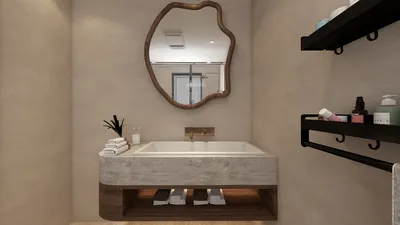
1. Soft Warm Gray for a Calm, Spa-Like Atmosphere
I frequently opt for a soft warm gray with hints of beige to create a soothing, sunlit feel in small bathrooms. This color harmonizes beautifully with natural wood vanities and warm brass fixtures, cultivating a relaxed spa-like ambiance. However, it may appear slightly yellow in cooler LED settings, so it's crucial to test it on your walls near the mirror before full application.
save pin
2. Cool Light Gray to Create an Illusion of Space
Light grays with cool undertones, including blues and greens, can reflect light and visually enlarge confined bathrooms—I’ve effectively used this technique in north-facing powder rooms. While they can have a crisp, modern appearance, they may seem sterile unless complemented by warmer textures; consider adding textiles like hand towels or a woven basket for a softening effect. To assist in layout planning, I often utilize a 3D rendering tool like Homestyler to visualize the different tones and their impact.
save pin
3. Greige for a Well-Balanced Neutral Option
Greige, positioned between gray and beige, has become my preferred choice for versatile bathroom designs. It conceals water spots better than pure white and coordinates well with a variety of tile and countertop options. Yet, it's easy to select a greige that leans too brown, so testing samples under bathroom lighting throughout the day can help avoid unforeseen results.
save pin
4. Deep Slate Accent Wall for a Dramatic Effect
A deep slate gray on one accent wall can serve as a stunning focal point without diminishing the room’s perceived space, especially if the remaining walls are kept light. I’ve installed it behind floating vanities, which adds a touch of luxury when paired with matte black hardware. However, creating a balanced look is essential; too much dark shade can make the bathroom feel heavy, so it's best to restrict deep tones to a single area.
save pin
5. Warm Gray-White for a Bright, Timeless Aesthetic
An off-white gray with warm undertones embodies an upgraded classic style, fitting seamlessly alongside both vintage and modern fixtures. It’s also forgiving in rental bathrooms, allowing for easy touch-ups. However, it may fade away against white porcelain surfaces, so consider using contrasting grout or textured wallpaper for added dimension.
save pin
Tips 1:
A practical suggestion is to always paint a 2x3 foot sample area and observe it in both morning and evening light conditions. Lighting changes everything. I also advise pairing your paint samples with tile and countertop swatches and, if you seek a digital preview, explore using a reliable 3D rendering program like Homestyler to see how colors interact within a space.
save pin
FAQ
Q: What type of gray paint finish is best for bathrooms? A: I typically recommend satin or eggshell finishes for walls, as they are easy to clean and offer a slight reflection to enhance perceived light. High-gloss finishes should be avoided unless a highly modern, reflective look is desired.
Q: Will gray paint make a small bathroom appear smaller? A: Dark, pure grays can, but light cool grays or warm greiges tend to visually expand the space. It's wise to use darker shades only as accent colors.
Q: How do I choose the right gray undertone? A: Always compare samples under your bathroom's actual lighting conditions; undertones like blue, green, or beige can reveal themselves differently at various times of the day. Testing throughout the day is essential.
Q: Are gray paints suitable for humid bathrooms? A: Definitely—simply opt for mildew-resistant, bathroom-rated paints to manage humidity and frequent cleaning tasks.
Q: Can gray be combined with patterned tiles? A: Absolutely—gray serves as a neutral backdrop for striking tiles. Using a lighter gray on walls allows the patterned floors or shower tiles to take center stage.
Q: How much paint is required for a small bathroom? A: Generally, one gallon is sufficient for two coats in most small bathrooms, but be sure to measure your walls and factor in doors and windows for the most accurate estimate.
Q: Where can I preview gray options in a digital setting? A: I highly recommend utilizing an online room planner like Homestyler to visualize various color combinations and layout possibilities before making a final commitment.
Q: Are there specific brands for gray recommendations? A: Brands such as Benjamin Moore and Sherwin-Williams offer reliable grays with extensive palettes; their technical sheets along with lightfastness information serve as authoritative resources (check out Sherwin-Williams technical guides for paint performance metrics).
save pin
Homestyler is your go-to online home design platform! With its user-friendly design tool, stunning 3D renderings, and extensive library of DIY video tutorials, you can easily create and visualize your dream space. Whether you're a beginner or a pro, Homestyler makes home design fun and accessible!
تصميم الآن مجانا
































