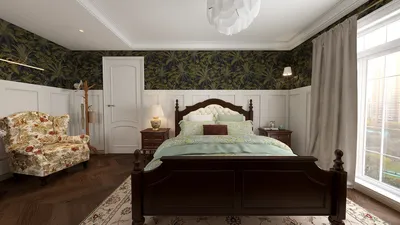


Having spent over ten years in the field of interior design, I've observed that gray furniture for living rooms has surged in popularity. This neutral shade serves as a versatile base, making it ideal for smaller areas where creativity is essential. In this piece, I will present ten inspiring ideas for gray living room furniture — derived from my own experiences as well as design studies — aimed at helping you create a space that is stylish yet functional, enhanced by tools like Homestyler.
1. Minimalist Gray Sectional Sofa
My Experience: In a recent condominium project, a sleek gray sectional immediately transformed the airy feeling of the room. It served as a captivating point of interest without overwhelming the confined area.
Advantages: Works well with various layouts, ideal for tight spaces, and beautifully complements a range of accent colors. Design professionals note that neutral shades like gray enhance the perception of space in smaller rooms.
Disadvantages: Lighter gray fabrics can easily show stains and require more upkeep — a lesson I learned the hard way during a family movie night incident.
Suggestion: If you have children or enjoy snacking on the sofa, consider selecting stain-resistant upholstery.
2. Gray Accent Chairs with Sleek Frames
My Experience: In a loft revitalization, I combined two slender gray chairs with a large plant. The result? A welcoming conversation area that didn’t clutter the space.
Advantages: Creates distinct seating areas; perfect for open-concept living environments, and easy to rearrange as needed.
Disadvantages: They offer less comfort compared to bulkier armchairs and are better suited for short-duration seating.
Explore this Case: Discover how minimalist gray seating can elevate your layout in this featured project.
3. Gray Storage Ottoman
My Experience: I've incorporated multifunctional ottomans in various apartment designs — they not only conceal clutter but can also serve as additional seating during social gatherings.
Advantages: Merges storage with style; perfect for small areas needing organization.
Disadvantages: Can become cumbersome if overloaded with items; the surfaces may show wear if frequently utilized as a coffee table.
Suggestion: Opt for a fabric that harmonizes with your sofa for a cohesive look.
4. Glass-Top Coffee Table with Gray Base
My Experience: In a narrow living space, a glass tabletop maintained open sightlines while the gray base ensured color consistency.
Advantages: Glass surfaces reflect light, creating an illusion of a larger area; the gray base ties in seamlessly with other furnishings.
Disadvantages: Needs regular cleaning to keep it clear; glass edges can pose risks in homes with small children.
5. Gray Modular Shelving Units
My Experience: I appreciate modular shelving because it adapts easily to fit unusual spaces and can expand as collections increase in size.
Advantages: Maximizes vertical storage; the adaptable design can evolve alongside your requirements.
Disadvantages: If overly stuffed, the shelves may feel visually overwhelming; gray tones may seem lackluster without proper lighting.
Example: In one instance, sleek shelving imparted a gallery-like ambiance while keeping everything orderly.
6. Charcoal Gray Area Rug
My Experience: In a Scandinavian-style apartment, a dark gray rug anchored the lighter wood accents and unified the seating arrangement.
Advantages: Provides depth and contrast; effectively conceals dirt compared to lighter alternatives.
Disadvantages: Dark tones can make a very small room feel more enclosed if used excessively.
Tip: Layer with a lighter throw rug to soften the aesthetic.
7. Gray TV Console with Clean Lines
My Experience: I frequently choose a low-profile gray console to keep the focus on the screen while seamlessly integrating with contemporary designs.
Advantages: Provides organized storage while concealing cables for a neat look.
Disadvantages: Limited storage in ultra-minimalist styles.
8. Textured Gray Throw Pillows
My Experience: Swapping out pillow covers is my favorite seasonal refresh tactic — gray harmonizes well with nearly any accent color.
Advantages: Affordable way to update your look; adds a tactile element to solid sofas.
Disadvantages: Can look flat if all textures are similar; mixing different weaves adds visual interest.
9. Gray Accent Wall with Floating Shelves
My Experience: I recently paired a smoky gray feature wall with simple floating shelves to display books and art without overwhelming the area.
Advantages: Distinguishes the space; floating shelves keep the floor area uncluttered.
Disadvantages: Dark gray can absorb light, so ensure you balance it with adequate illumination.
Learn More: Discover how color accents can enhance storage features in connected spaces.
10. Gray Recliner Chair for Comfort Corners
My Experience: A plush gray recliner became my client’s beloved reading nook — a personal retreat in an otherwise busy living area.
Advantages: Provides exceptional comfort; compatible with diverse styles from modern to transitional.
Disadvantages: Requires more space to recline completely; may visually overwhelm a smaller room.
Conclusion
Incorporating gray furniture into your living room opens up a world of creative options, challenging you to design wisely while achieving both functionality and beauty. As noted in Houzz's 2023 trend analysis, neutral bases like gray are the leading choice for creating adaptable, timeless interiors. Which of these concepts are you eager to implement in your home?
FAQs
1. Why choose gray furniture for small living rooms?
Gray is a versatile and neutral option that creates an illusion of space and effortlessly pairs with virtually any accent color.
2. What accent colors pair best with gray?
Warm hues such as mustard, terracotta, and blush beautifully contrast gray’s coolness; blues and greens engender a calming atmosphere.
3. Does gray make a room seem cold?
It might if overly used; balancing with warm textures, such as wood or soft fabrics, helps maintain a cozy feel.
4. How can I keep light gray upholstery clean?
Choose stain-resistant materials and vacuum frequently; promptly address spills with spot cleaning.
5. Is it possible to mix different shades of gray in one room?
Definitely — layering light, medium, and dark grays creates depth and avoids a monotonous appearance.
6. Are there styles that gray furniture doesn’t suit?
Gray generally fits most styles, but in heavily ornate settings, warmer wood tones may integrate better.
7. Is gray furniture a long-lasting trend?
As stated by Elle Decor, gray continues to be a classic neutral, making it a prudent choice for long-term investment.
8. Can gray furniture be paired with patterned rugs?
Certainly! In fact, patterned rugs can introduce energy and contrast, especially if other surfaces are solid.
Homestyler is your go-to online home design platform. With its user-friendly design tool, stunning 3D renderings, and a wealth of design projects and DIY video tutorials, you can effortlessly create and visualize your dream space. Transform your home design journey today!
Design Now for FREE
































