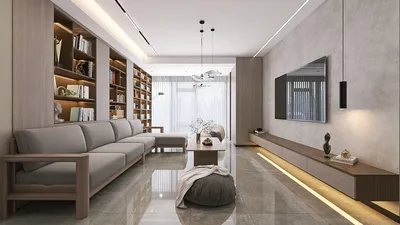


In recent years, forest green has emerged as one of my preferred colors for creating cozy yet elegant living spaces. This natural hue works particularly well in compact areas, providing a grounded and serene atmosphere while still being vibrant enough to add character. I strongly believe that smaller spaces ignite the greatest creativity, and in this article, I will present 10 inspiring forest green living room concepts, drawing from my own projects and industry experiences, including how to utilize tools like Homestyler for your next design venture.
1. Forest Green Accent Wall
My Experience: I vividly recall the first time I painted an accent wall in a cozy downtown apartment with a rich forest green. Initially, the client had reservations, but once complemented with light oak shelves, the entire room transformed remarkably. The contrast added an elegant yet comforting vibe.
Advantages: It establishes a striking focal point and pairs beautifully with natural wood elements. As highlighted by Architectural Digest, deeper greens create an intimate and sophisticated atmosphere.
Disadvantages: Overuse can make the room feel cozier than intended. Balancing with lighter furniture and artwork is advisable.
Suggestion: Opt for matte finishes over eggshell to enhance the light absorption and achieve a luxurious look.
2. Velvet Forest Green Sofa
My Experience: I assisted a friend in finding a stunning velvet forest green sectional for her loft. It quickly became the centerpiece of the room, harmonizing seamlessly with brass accents and cream-toned rugs.
Advantages: This fabric introduces texture and richness, and the color effectively masks minor stains. Velvet significantly enhances comfort as well.
Disadvantages: Velvet can attract lint, and darker shades may reveal pet hair—something I quickly learned with two cats around.
3. Forest Green and Brass Combination
My Experience: During a townhouse renovation, I opted for brass hardware on forest green cabinetry, which instantly infused vintage charm into the space.
Advantages: The metallic shimmer of brass elevates sophistication while enhancing the warm undertones of green.
Disadvantages: Brass requires regular polishing to maintain its luster.
Case Study: A similar ambiance can be observed in a minimalist kitchen design that inspired my color choices for the living room.
4. Layering Green Tones
My Experience: I often combine olive, sage, and forest greens in pillows, throws, and rugs. This approach feels more organic compared to sticking to a single shade.
Advantages: It creates a warm, nature-inspired palette that feels cohesive yet lively.
Disadvantages: Careful balancing is essential to avoid clashing; sticking to a unifying neutral, like beige or soft cream, is key.
5. Forest Green Built-In Shelves
My Experience: By painting built-ins the same deep green as the walls, they blend seamlessly, creating a more integrated feel.
Advantages: This design choice makes a bold impact while optimizing storage in smaller living areas.
Disadvantages: Overfilling shelves can lead to a heavy appearance—curation is essential.
6. Statement Artwork on Forest Green Walls
My Experience: Recently, in a client’s home, we displayed oversized botanical art on a forest green wall, creating a stunning contrast that brought the artwork to life.
Advantages: The space transforms into a gallery-like setting; green serves as an excellent backdrop for art pieces.
Disadvantages: Adequate lighting is necessary to keep the colors vibrant.
Tip: Use warm-toned lighting to prevent the green from appearing too cold.
7. Forest Green Rugs
My Experience: A deep green rug under a neutral sofa can anchor a seating area. I once sourced a handwoven piece from Morocco, and it completely enhanced the room's warmth.
Advantages: This color defines spaces in open layouts and effectively conceals dirt.
Disadvantages: Dark hues may fade with direct sunlight—consider rotating regularly.
Inspiration: Just as an L-shaped configuration can free up counter space, a forest green rug can visually unify furniture placement.
8. Wood and Forest Green Blend
My Experience: Incorporating walnut coffee tables with forest green upholstery adds warmth reminiscent of a beloved cabin project, where the living area became a favorite gathering spot.
Advantages: This combination brings a grounded feel, making the space appear more inviting and natural.
Disadvantages: Too much rustic styling can overwhelm; it's important to introduce modern elements for balance.
9. Botanical Prints with Forest Green
My Experience: I love mixing leafy botanical cushions with a green sofa—this is a simple way to integrate nature indoors.
Advantages: It strengthens the nature connection, ideal for fans of biophilic design.
Disadvantages: An excess of patterns can become overwhelming; intersperse with solid colors for balance.
10. Forest Green and Glass Elements
My Experience: In one project, I installed glass cabinet doors on forest green units—the reflections enhanced depth and illuminated the room.
Advantages: Dark tones appear lighter with glass; it also introduces sophistication.
Disadvantages: Frequent cleaning is required to maintain clarity and avoid fingerprints.
Inspiration: Just as glass backsplashes enhance the openness in kitchens, integrating glass details in the living room can alleviate the heaviness of darker colors.
Conclusion
Ultimately, small living rooms featuring forest green accents demonstrate that limited space is not a barrier to stylish design—instead, it encourages smarter design choices. As noted by Elle Decor, earthy greens have a timeless allure for elegant interiors. Which of these forest green living room inspirations would you choose for your space? Don't forget to explore tools like Homestyler for visualizing your ideas!
FAQs
Discover the ease of home design with Homestyler! This user-friendly platform offers a powerful online design tool, stunning 3D renderings, and a wealth of DIY video tutorials. Whether you're a novice or a pro, bring your vision to life effortlessly with Homestyler!
Design Now for FREE
































